Cracked coil boots or broken connectors cause misfires and P0300 codes on Toyota coil-on-plug engines. You can usually replace boots with basic tools in 30–60 minutes, or have a workshop do it in under an hour — get a free quote for exact pricing.
Key Takeaways
If your Toyota is misfiring, shaking at idle, or showing a check engine light with a P0300–P0304 code, the culprit may not be the ignition coil itself — it could be the rubber coil boot or wiring connector that connects the coil to the spark plug. These small components degrade over time from heat, oil contamination and vibration, and they're far cheaper to replace than a full coil.
In South Africa, a worn coil boot can be the difference between a smooth-running engine and an expensive misdiagnosis. This guide explains what coil boots and connectors are, how to spot failure, and how to replace them yourself — or know what to expect at a workshop.
Key Takeaways
Topic
Details
What coil boots do
Rubber/silicone sleeve insulating the ignition coil tip from the spark plug terminal
What connectors do
4-pin wiring plug supplying power and trigger signal to each coil
Corolla, Camry, Hilux 2.7 (2TR-FE), Fortuner, Quantum and most post-2002 coil-on-plug Toyotas
SA workshop cost
Coil boot kit (parts only) + under 1 hour labour — get a free quote for your model
DIY difficulty
Beginner-friendly — basic tools, 30–60 minutes per coil position
Parts needed
Boot kit or full coil with boot, dielectric grease, 10 mm socket
What Are Ignition Coil Boots and Connectors?
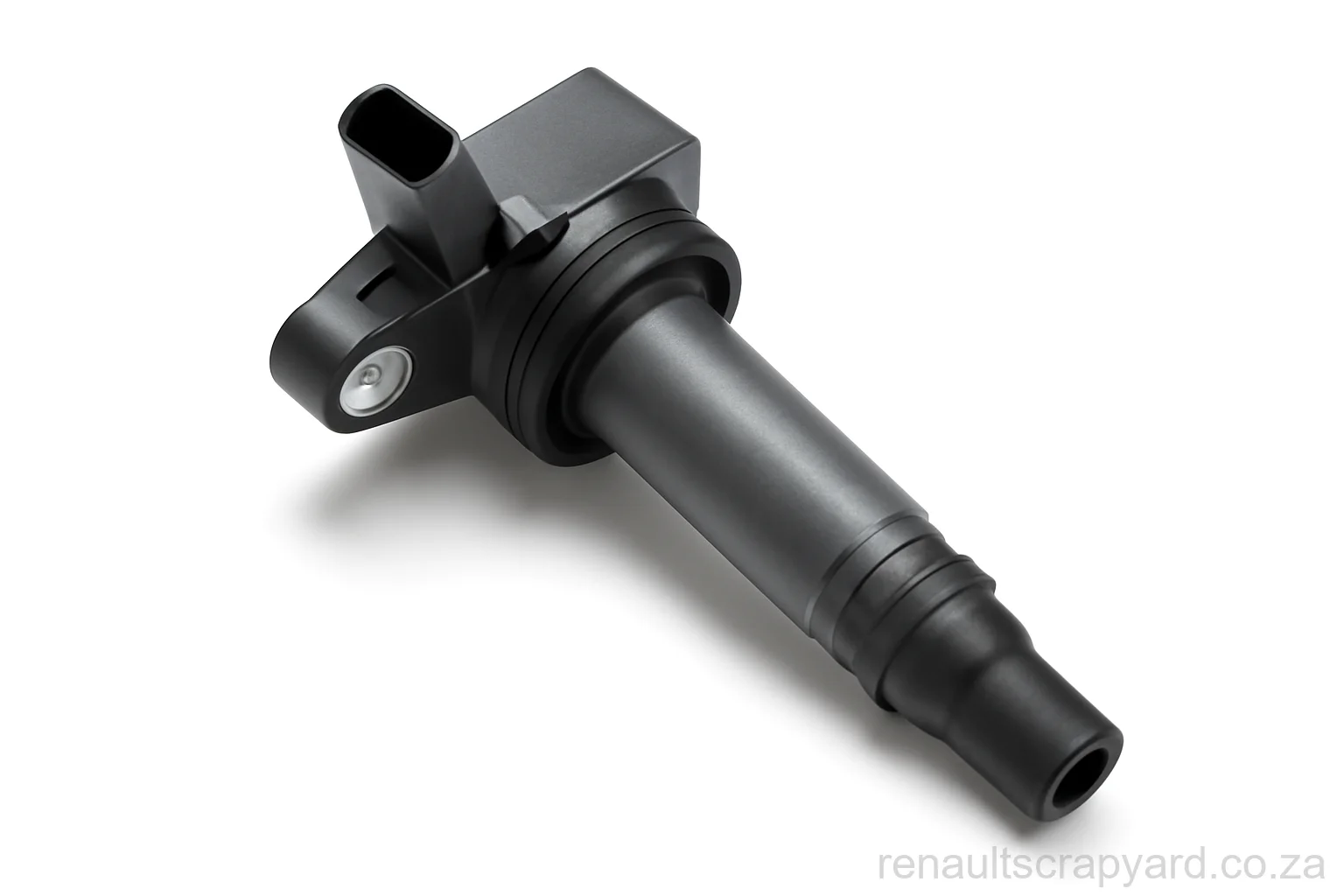
On a modern Toyota with coil-on-plug (COP) ignition — which includes the Corolla, Camry, Fortuner, Hilux 2.7 (2TR-FE) and most post-2002 petrol models — each cylinder has its own dedicated ignition coil. Every coil has two critical interfaces:
Coil boot: The rubber or silicone sleeve at the bottom of the coil that slides down over the spark plug. It seals out moisture and oil, and provides the high-voltage insulation between the coil's output and the plug terminal. Without a sound boot, the spark can arc to earth anywhere it finds a path rather than jumping the plug gap cleanly.
Electrical connector: The plastic plug (typically 4-pin on Toyota COP coils) on the top of the coil that carries the 12 V power supply, earthing circuit, and the ECU's trigger signal. Broken locking tabs, corroded terminals, or pushed-out pins cause intermittent or total coil signal loss.
COP vs. distributor: Older Toyotas such as the Tazz 1.3 (2E engine) and the 1995–1996 Hilux 2.7 with the 3RZ-FE (single-coil distributor setup) use a single high-voltage lead and boot from the distributor cap — not individual coil boots. The advice in this guide applies to coil-on-plug models only.
Toyota Ignition Coil Boot & Connector
New & quality used stock from our Johannesburg & Cape Town branches — delivered nationwide.
Common Symptoms of a Worn Coil Boot or Connector
A damaged coil boot or failing connector produces symptoms almost identical to a failing ignition coil — because in both cases the cylinder is misfiring or not firing at all. Watch for:
Engine misfire — the engine stumbles or hesitates, especially under load or when accelerating
Rough idle — noticeable vibration and uneven running at traffic lights
Poor fuel economy — unburned fuel passes through the engine when a cylinder doesn't fire
Loss of power — the engine feels sluggish and struggles on hills
Oil smell from the engine bay — often a sign that oil is flooding the plug wells from a leaking valve cover gasket, destroying the boot from the inside
Don't ignore a misfire code. Driving with a misfiring cylinder sends unburned fuel into the catalytic converter, which can overheat and be destroyed — an expensive repair. Fix a misfire promptly.
What Causes Coil Boot Failure?
Cause
How It Damages the Boot or Connector
Heat cycling
The rubber hardens and cracks after years of heating and cooling in the engine bay
Oil contamination
A weeping valve cover gasket floods the spark plug wells with oil, degrading the rubber boot from the inside
Moisture ingress
Water in a cracked boot causes carbon tracking — a conductive path that bleeds the high-voltage spark to earth instead of across the plug gap
Physical damage
Careless removal during a previous coil or spark plug service can tear or stretch the boot
Connector brittleness
The plastic housing becomes brittle at high under-bonnet temperatures; locking tabs snap off, leaving the connector loose
Pin corrosion
Corroded or pushed-back terminals inside the connector cause intermittent coil signal loss that mimics a dying coil
Oil contamination warning
If you pull a coil and find the boot soaked in oil, the valve cover gasket is leaking into the plug wells. Replace the gasket at the same time — a new boot fitted over an active oil leak will fail within months.
How to Diagnose Boot Failure vs. Full Coil Failure
Before spending money on a replacement coil, confirm whether the boot or connector is the real problem. This swap test works on any Toyota COP engine:
Read the fault code. Use an OBD-II reader to identify which cylinder is misfiring (P0301–P0304). That pinpoints which coil position to investigate first.
Swap the coil to a known-good cylinder. Remove the coil from the misfiring cylinder and reinstall it on an adjacent cylinder. Clear the codes and test-drive. If the misfire code moves to the new cylinder, the coil assembly is faulty. If the code stays at the original cylinder, the spark plug or plug well seal is the culprit.
Inspect the boot visually. Pull the coil straight up, twisting gently left and right to break the seal. Look for cracks, carbon tracking (black sooty lines along the boot), oil saturation, or tears — any of these means replace the boot.
Inspect the connector. Check for broken locking tabs, corroded terminals, and pushed-out pins. Wiggle the connector after it clicks — any movement means the lock is not engaging.
For a deeper electrical check, our ignition coil multimeter test guide covers resistance specs so you can confirm whether the coil itself is within spec before ordering parts.
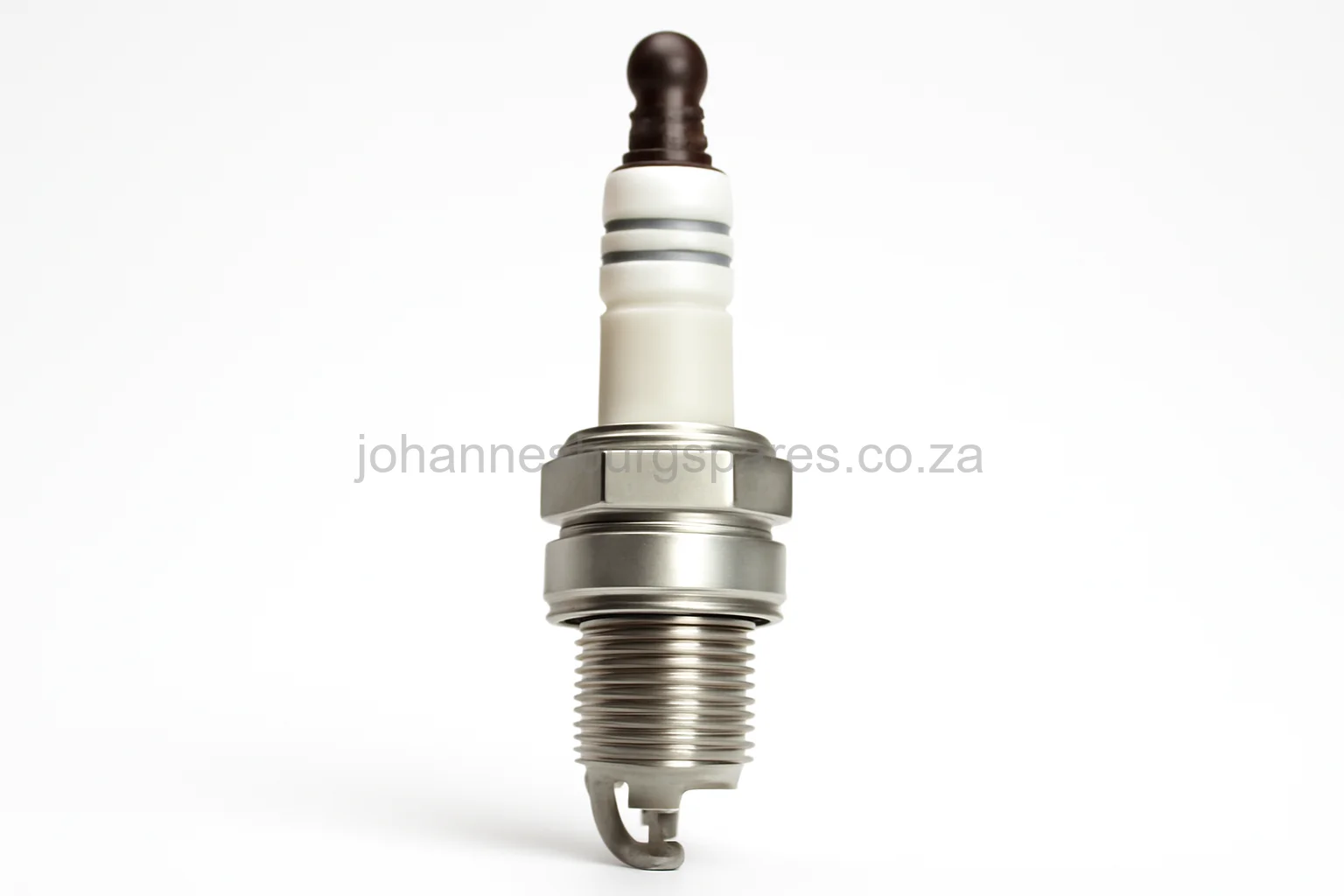
Toyota Spark Plugs & Coil Service
New & quality used stock from our Johannesburg & Cape Town branches — delivered nationwide.
Step-by-Step Coil Boot Replacement Guide
Replacing a coil boot is one of the most beginner-friendly engine jobs you can do. You need a 10 mm socket, a ratchet, dielectric grease, and the replacement boot.
Safety first: Always disconnect the negative battery terminal before working on the ignition system. Wait at least 10 minutes for the ECU to power down fully. Work on a cold engine — a hot valve cover will burn you.
Tools and Materials
10 mm socket and ratchet
Soft-grip pliers (for stubborn boots)
Clean rags or paper towels
Dielectric grease (available at most SA auto parts stores)
Replacement coil boot kit or full coil assembly
OBD-II reader to clear codes after the job
Removal
Disconnect the negative battery terminal and wait 10 minutes.
Locate the coil on the misfiring cylinder (numbered 1–4 from the front on inline engines).
Press the locking tab on the electrical connector firmly and pull it straight back — do not yank by the wires.
Remove the single 10 mm retaining bolt at the top of the coil.
Grasp the coil body and pull straight up, twisting gently left and right to break the boot's seal against the spark plug. Do not lever or pry.
Inspect the boot and plug well for oil, cracks, or carbon tracking. If oil is present, plan to replace the valve cover gasket before closing up.
Installation
Clean the spark plug well with a clean rag or compressed air to remove oil, dirt, or moisture.
Apply a small amount of dielectric grease to the inside of the new coil boot. This prevents the boot from bonding to the plug and makes future removal easier. Do not use petroleum jelly — it degrades rubber.
Push the coil straight down into the plug well until you feel the spring contact click against the spark plug terminal. The boot should seat flush with the valve cover surface.
Reinstall the 10 mm retaining bolt — hand tight plus a quarter turn. Over-tightening can crack the coil housing.
Reconnect the electrical connector until you hear the locking tab click into place.
Reconnect the negative battery terminal.
Start the engine and let it idle for two minutes. Clear any stored misfire codes with your OBD-II reader and confirm no new codes appear.
Replace all boots at once: If one boot has failed from age or heat, the others are in similar condition. Replacing all four (or six on a V6) while the coils are already out adds minimal extra cost and avoids a return trip.
Connector Replacement (Pigtail Repair)
When the connector housing is cracked, the locking tab is broken, or terminals are corroded beyond cleaning, a connector pigtail repair kit is the right fix. This is a short length of new wiring with a fresh OEM-spec connector, designed to be spliced into the existing harness.
Toyota 4-pin ignition coil connector pigtails are available from auto electricians and specialist wiring suppliers in SA. The repair involves cutting back the damaged connector, crimping or soldering the new pigtail wires colour-for-colour, and heat-shrinking each joint. It typically takes 20–30 minutes per connector. If you're not comfortable with automotive wiring, hand this job to an auto electrician.
Workshop Cost in South Africa
Coil boot replacement is a quick job. The table below shows what to budget for and what each step involves. For model-specific prices on ignition coils themselves, our ignition coil replacement cost guide covers indicative 2026 SA pricing for the Corolla, Yaris, Hilux and Camry.
Indicative ranges only, not quotes; prices vary by condition, mileage, supplier and labour rate
Service
What to Expect
Coil boot kit (set of 4, aftermarket)
Available from most SA auto parts stores — pricing varies by model and brand; get a quote before ordering
Connector pigtail repair (per connector)
Quick auto electrician job; parts are inexpensive — ask your local auto electrician for a quote
Workshop labour — coil boot replacement
Typically under one hour of workshop time for a 4-cylinder engine
Valve cover gasket (if oil contamination present)
Strongly recommended at the same time — your workshop can quote this alongside the coil boot job
Full ignition coil replacement (if coil also failed)
R265–R650 per coil aftermarket or R700–R900 genuine Denso (ranges listed on our ignition coils page), plus workshop labour
Budget tip
If the coil itself tests within spec on a multimeter, ask the workshop to replace only the boot — you save the cost of a full coil. If the coil is over five years old or shows high resistance, replace the full assembly while everything is apart.
For an accurate quote on your specific Toyota,
Boot Only vs. Full Coil — Which Do You Need?
Situation
Recommended Fix
Boot is cracked or carbon-tracked but coil tests within spec
Replace boot only
Connector tab broken or terminals corroded
Connector pigtail repair
Boot is oil-soaked (valve cover leak)
Boot + valve cover gasket
Coil fails the multimeter resistance test
Replace full coil assembly
Original coil on a 150 000 km+ engine
Replace full assembly as a precaution
Misfire code moves when you swap the coil
Replace full coil assembly
Browse used and new Toyota ignition coils for the Corolla, Camry, Hilux, Fortuner and more, and request a quote.
If you're also tracking down misfires on a Toyota Corolla, our Corolla parts page lists the parts you can request a quote on for that model.
Frequently Asked Questions
Can I drive my Toyota with a cracked coil boot?
Not recommended. A cracked boot causes ongoing misfires and can overheat and destroy the catalytic converter if unburned fuel passes through it repeatedly. It's a cheap repair — fix it quickly.
How do I know if my coil boot is oil-contaminated?
Remove the coil and look into the spark plug well. A dark, oily residue in the well or on the boot means engine oil is leaking from the valve cover gasket. Replace the gasket at the same time as the boot — otherwise the new boot will fail within months.
Can I use silicone spray instead of dielectric grease?
No. Use proper dielectric grease (also called electrical insulating grease or silicone grease). Silicone spray is not designed for this application and can degrade rubber over time. Dielectric grease is inexpensive and available at most SA auto parts stores — a small tube goes a long way.
My connector locking tab is broken — is that a problem?
Yes. A connector that isn't fully locked can vibrate loose, causing intermittent misfires that are difficult to diagnose. Replace the connector pigtail rather than taping or cable-tying it — the fix is inexpensive and prevents future problems.
How many coil boots does a Toyota Corolla need?
The Corolla uses a 4-cylinder engine with coil-on-plug ignition, so it has four coil positions and needs four boots — one per cylinder. Buy a complete set so all boots are the same age and specification.
Should I replace the coil boots when I change spark plugs?
Inspect them at the same time — a spark plug service requires removing each coil, making it the perfect opportunity to check boot condition. Any cracks or oil contamination found during a plug change should be addressed immediately while everything is already apart.
Where can I source ignition coil boots in South Africa?
Most auto parts stores in SA stock boot kits for common Toyota models. For used or quality aftermarket Toyota ignition coils and coil assemblies, get a free quote using the button above.
Related Video
Video: How to Replace Ignition Coil Boots 2014-2019 Toyota Corolla 1.8L
This article is for informational and educational purposes only, based on automotive industry research and publicly available data. Used Toyota Parts SA is a parts supplier, not a licensed automotive repair facility. We do not provide mechanical advice or diagnostics.
Always consult a qualified mechanic or Toyota-certified technician before performing repairs. Incorrect installation of parts can lead to vehicle damage, safety hazards, or injury. Prices, specifications, and availability mentioned are approximate and subject to change.
We assume no liability for actions taken based on this content. Contact us for current parts availability and pricing.
Need Toyota Parts?
Get a free quote from our suppliers. New aftermarket and quality used parts for all 37 Toyota models, delivered nationwide.