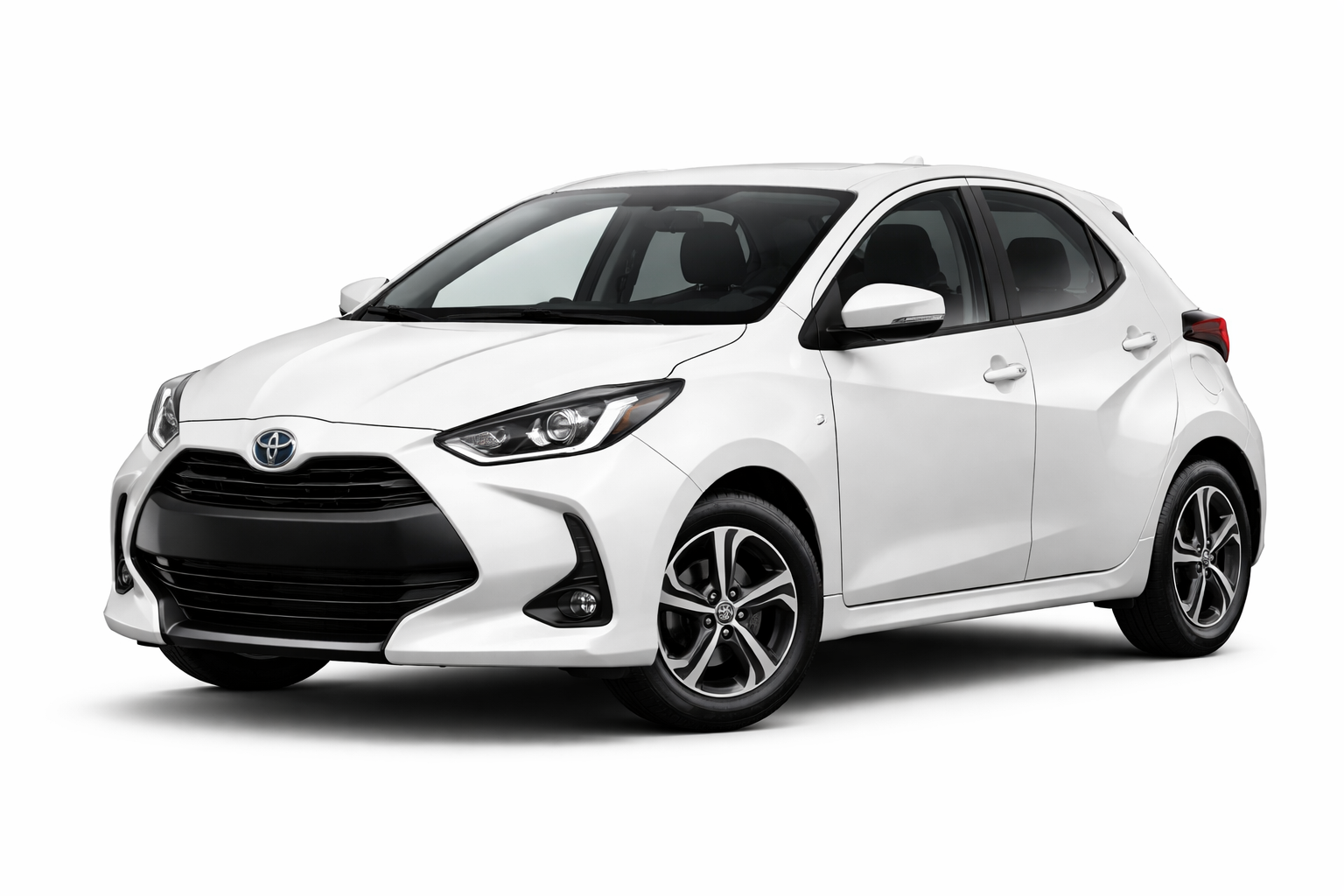
The top causes of ignition coil failure in South African Toyotas are heat stress, worn spark plugs forcing the coil to work harder, oil contamination from leaking valve cover gaskets, and voltage spikes from a failing alternator or battery. Fixing the root cause is as important as replacing the coil.
Key Takeaways
Ignition coils fail for a reason — and in most cases, simply replacing the coil without fixing that reason means the new one will fail just as fast. Here is a plain-English guide to the real causes of coil failure and overheating in Toyota petrol engines, written for South African conditions.
Key Takeaways
Failure Cause
How Common in SA
Best Prevention
Heat stress & thermal cycling
Very common
Replace coils at service intervals; park in shade
Worn or fouled spark plugs
Very common
Replace plugs on schedule (at the interval in your service book)
Oil contamination from valve cover leaks
Common
Replace valve cover gasket at first sign of oil weeping
Voltage spikes / electrical faults
Less common
Keep battery and alternator in good condition
Vibration & mechanical stress
Less common
Use OEM-quality coils; check fitment after servicing
How an Ignition Coil Actually Works (And Why That Makes It Vulnerable)
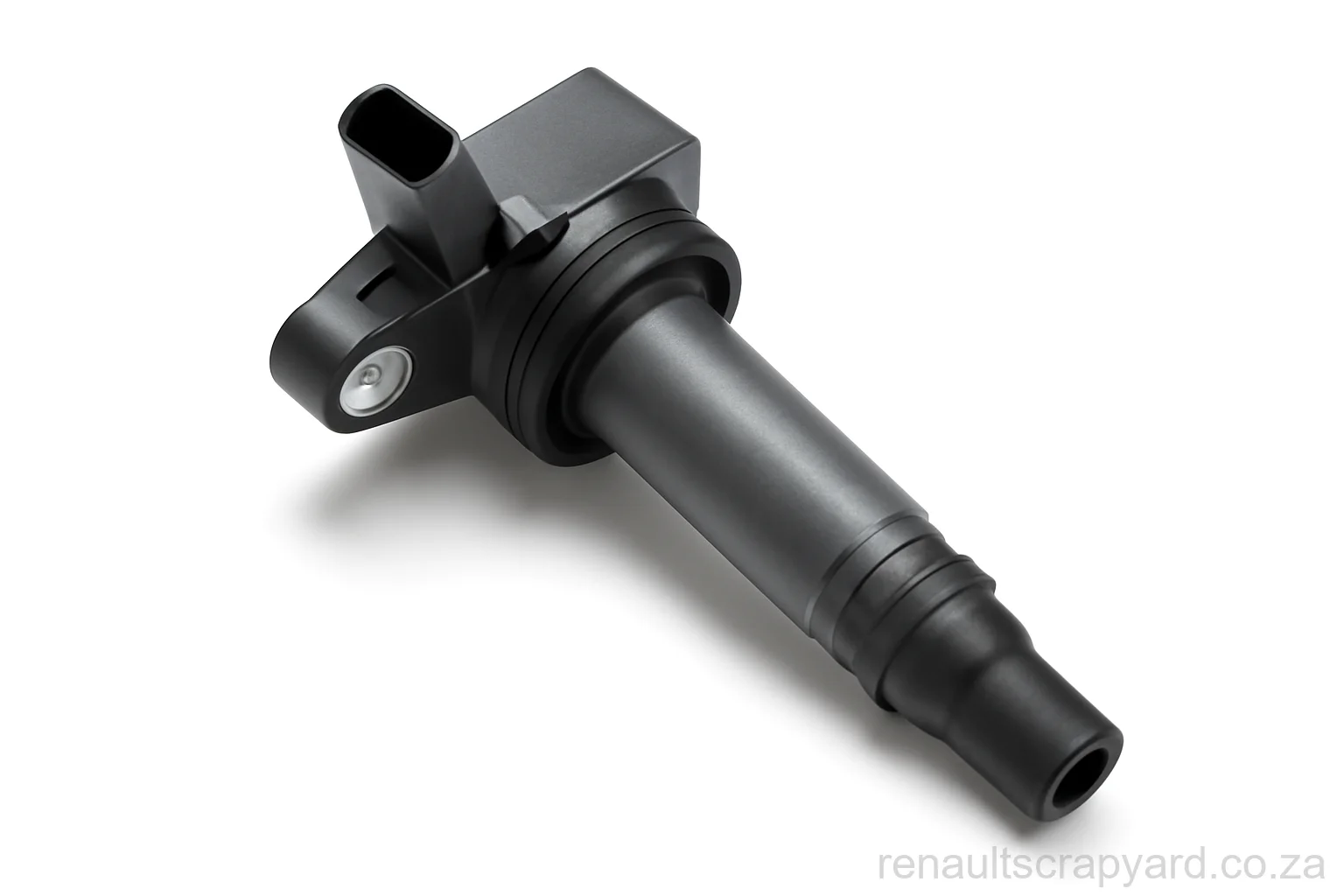
An ignition coil is essentially a transformer. It takes the 12 V supply from your battery and steps it up to the tens of thousands of volts needed to jump the spark plug gap and ignite the air-fuel mixture. It does this through electromagnetic induction — when current through the primary winding is switched off rapidly by the engine control module, the collapsing magnetic field induces a very high voltage in the secondary winding.
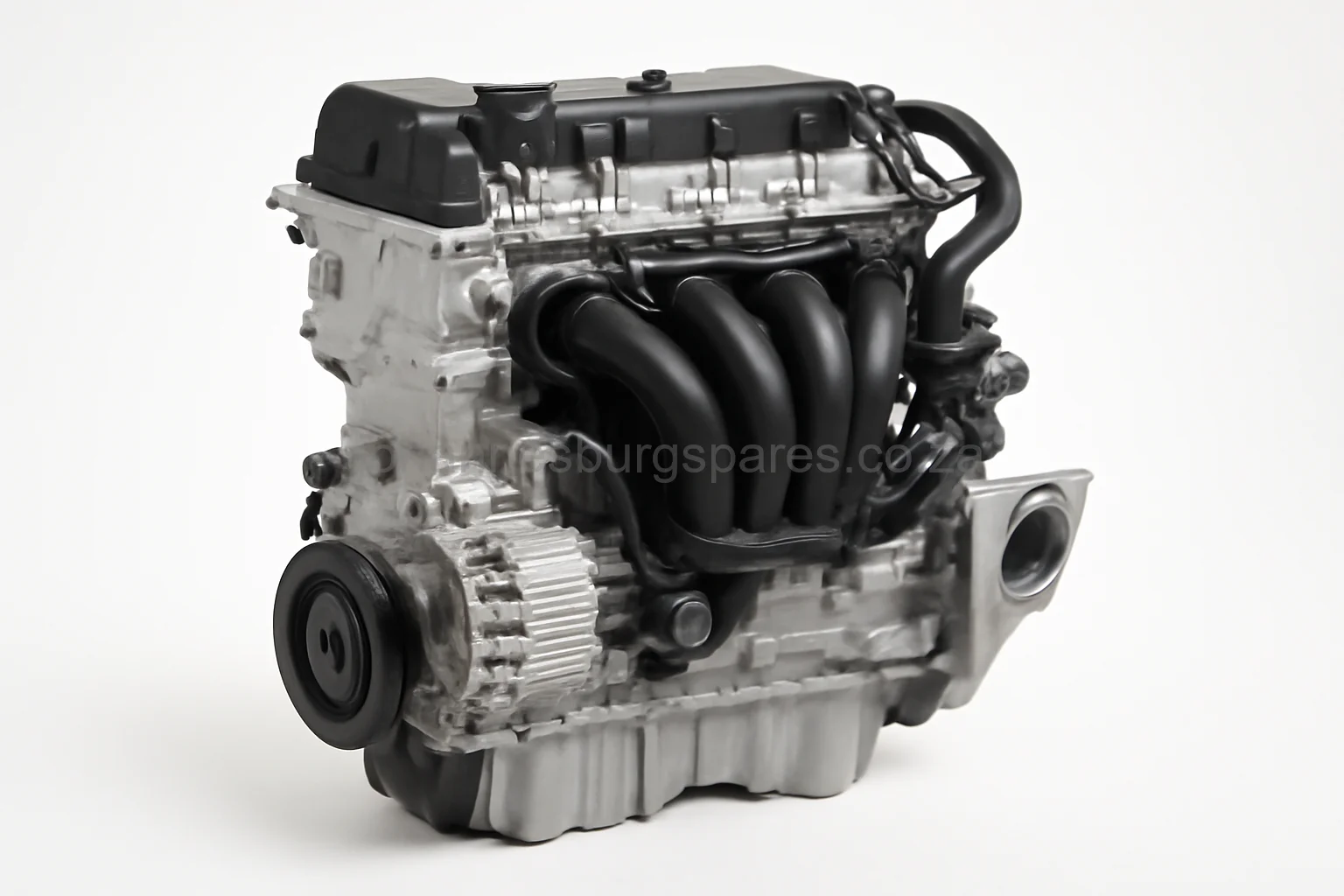
Most Toyota petrol engines sold in South Africa since the mid-2000s use the coil-on-plug (COP) design: one ignition coil sits directly on top of each spark plug. A 4-cylinder engine therefore has four coils; a V6 such as the 1GR-FE in the Fortuner and 4.0 Hilux has six. Because a COP coil lives right on the engine, it is exposed to the full heat and vibration of the engine, which makes each coil more vulnerable than the single remote-mounted coil used in older distributor-based systems.
Older vs newer Toyota ignition systems Earlier Toyotas used a single distributor-mounted coil (e.g. the 4A-FE Corolla and 2E Tazz). The 3RZ-FE 2.7-litre went through three distinct ignition systems between 1995 and 2004. Modern Toyotas almost universally use COP. If you are unsure which system your model uses, the supplier can confirm it when you request a quote.
1. Heat Stress and Thermal Cycling — The Number-One Killer
The environment inside a running engine bay is harsh by any standard. Underhood temperatures get very high in normal driving, and in South African summers — especially in Gauteng, the Northern Cape, and Limpopo — they can go considerably higher. The coil-on-plug design places the coil right against the cylinder head, one of the hottest components on the engine.
The coil's internal windings are coated in epoxy resin to insulate and protect them. Over time, repeated heating (when the engine runs) and cooling (when it is switched off) — called thermal cycling — causes this resin to expand and contract. Eventually microscopic cracks form. Those cracks allow high voltage to arc across the winding insulation instead of through the plug gap, which is the failure mechanism called internal arcing. Once it starts, the coil degrades rapidly.
This is why ignition coils tend to fail more often after years of use rather than suddenly at low mileage: the damage is cumulative. SA's hot climate accelerates the process.
Warning: heat-soak misfires If your Toyota misfires mostly when the engine is fully hot — particularly after a long motorway run or after sitting in traffic — but runs cleanly when cold, heat-degraded coils are a likely culprit. The cracks in the epoxy close slightly when cold and expand when hot, letting arcing occur only at temperature.
Toyota Ignition Coil
New & quality used stock from our Johannesburg & Cape Town branches — delivered nationwide.
2. Worn or Fouled Spark Plugs — How Bad Plugs Destroy Good Coils
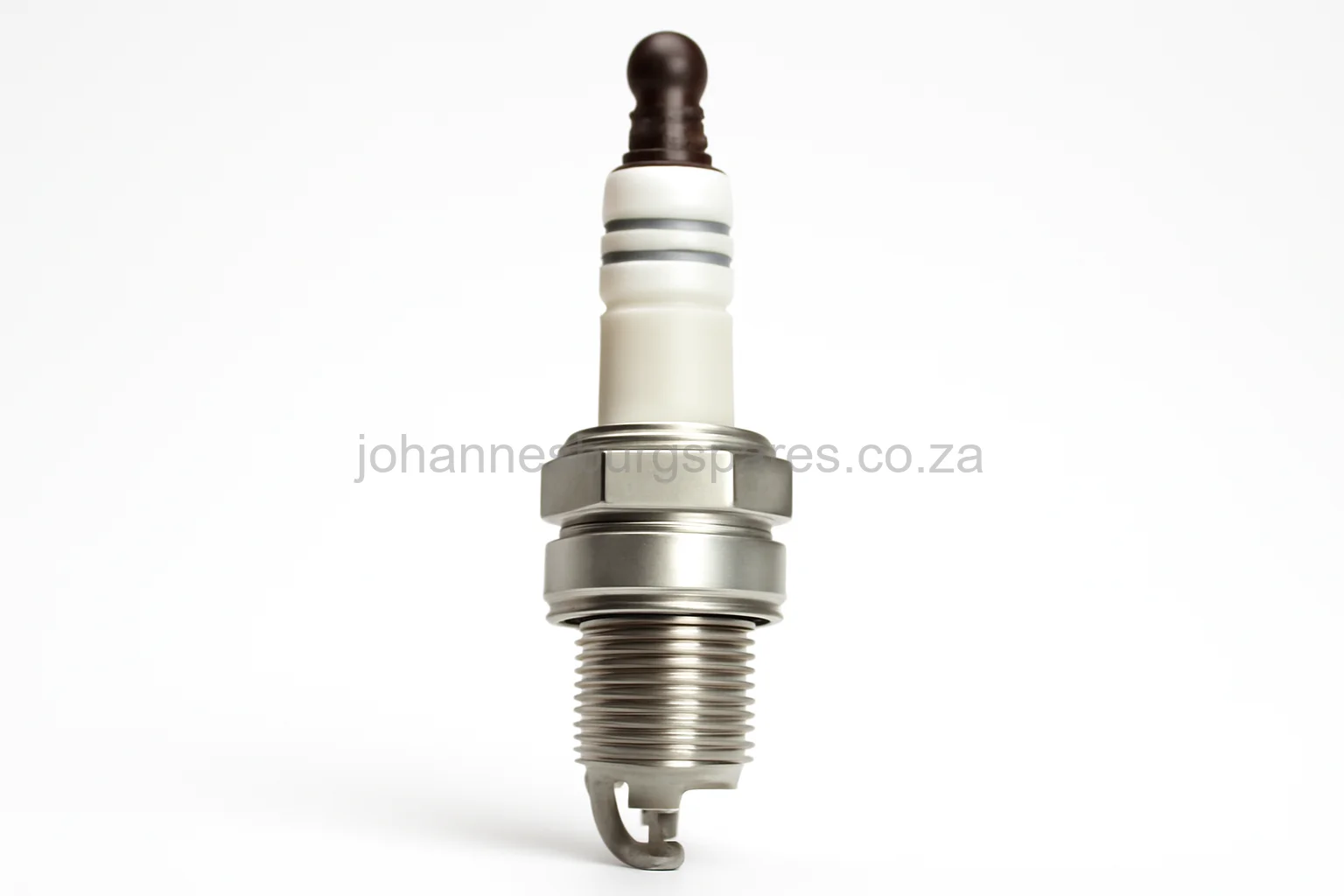
This is probably the most common preventable cause of early coil failure in South Africa. As a spark plug ages, two things happen: the electrode gap widens as the electrodes erode, and the ceramic can become contaminated with carbon or oil deposits. Both conditions force the ignition coil to generate more voltage to jump the now-larger or fouled gap.
The coil is designed to operate within a certain voltage range. When it must repeatedly produce voltages well above that range — because the plug gap is too wide or the plug is fouled — the secondary winding is under sustained electrical stress. The insulating varnish breaks down faster, and the coil fails prematurely.
A common pattern: a driver replaces a failed ignition coil but does not replace the spark plugs at the same time. A few months later, the new coil fails. The root cause — worn plugs — was never addressed.
Tip: always replace plugs when you replace a coil Iridium and platinum plugs last much longer than copper-core plugs — check the interval for your engine in your service book. If your coil failed and the plugs are old, replace both. It is a small additional cost that protects your new coil investment.
The spark plug tube on many Toyota engines is a deep well that houses both the spark plug and the base of the coil. If the valve cover gasket weeps oil, it trickles down into that tube. Over time, the oil bathes the lower portion of the coil body and, critically, soaks the coil boot — the rubber sleeve that seals the coil to the top of the spark plug.
Motor oil is electrically conductive enough to cause the high voltage to leak to earth via the coil body rather than firing the plug. The coil boot degrades, becomes brittle, and cracks. Eventually the coil's internal insulation is compromised too. The symptom is a misfire — often cylinder-specific — and an OBD fault code such as P0351–P0356 (ignition coil primary/secondary circuit malfunction, one code per cylinder).
If you open the bonnet and smell burning oil, or see oily residue around the top of the engine, get the valve cover gasket inspected before spending money on coils.
Warning: don't skip the gasket If you replace a coil that has been saturated in oil without also replacing the valve cover gasket, the new coil will fail too. The gasket repair is often less expensive than the coil itself.
4. Voltage Spikes and Electrical Faults
The primary winding of an ignition coil is an electrical component rated for specific voltage and current levels. Anything that pushes voltage well above those levels can burn out the primary circuit instantly, or degrade it over multiple events.
Common sources of damaging voltage spikes include:
A failing alternator or voltage regulator — when these components malfunction, they can allow charging system voltage to climb well above the normal 13.5–14.5 V range, sending surges through the ignition system.
Jump-starting with reversed polarity — connecting jump-start cables the wrong way around sends reverse current through the entire electrical system. Coils and ECUs are particularly vulnerable.
A dead or heavily sulphated battery — a battery in poor condition does not absorb voltage surges as effectively as a healthy one, meaning spikes propagate further through the system.
Poorly installed aftermarket accessories — sound systems, spotlights, or other accessories wired incorrectly can induce interference or ground faults.
Electrical fault diagnosis If you are replacing coils more often than expected and cannot find a mechanical cause, have an auto-electrician test your charging system. A battery and alternator test costs very little at most fitment centres and can prevent repeated coil failures costing R265–R650 per coil at the aftermarket level in South Africa (R700–R900 for genuine Denso).
5. Vibration, Mechanical Stress, and Poor-Quality Aftermarket Coils
Ignition coils on South African roads endure considerable vibration — from both the engine itself and the road surface. The internal winding connections in a coil can fatigue and fracture under sustained vibration, causing intermittent open-circuit failures that are maddening to diagnose because the coil sometimes works and sometimes does not.
A less-discussed cause of premature failure is the coil not being properly seated or torqued after a service or plug replacement. If the retaining bolt is not tightened correctly, the coil can vibrate loose, causing arcing between the coil body and the plug tube.
Poor-quality aftermarket coils are also a real issue in SA. Sub-standard epoxy, thin secondary winding wire, or inadequate heat resistance means these units fail in months rather than years. Denso is Toyota's OEM ignition coil manufacturer for most models — their aftermarket and OE-equivalent units offer significantly better durability than no-name alternatives. For a full comparison of brand quality, see our guide to the best ignition coil brands in SA.
Toyota Spark Plugs
New & quality used stock from our Johannesburg & Cape Town branches — delivered nationwide.
South Africa-Specific Factors That Accelerate Coil Failure
Beyond the universal causes above, SA driving conditions add extra stress:
High ambient temperatures: Summer temperatures in Gauteng and the Northern Cape push underhood temperatures higher than in cooler climates.
Fuel quality: Fuel quality variation can lead to harder-to-ignite mixtures, increasing the electrical demand on coils.
Dusty roads: Fine Highveld or gravel-road dust infiltrating engine bay vents can contribute to soiling around coil connectors, increasing resistive losses at the connector pins.
Stop-start commuter driving: Frequent cold-start/heat cycles are harder on coil insulation than steady highway driving.
If your Toyota Corolla, Yaris, Hilux petrol, or Fortuner is experiencing misfires or coil failures more often than expected, the SA-specific factors above are worth considering alongside the mechanical causes.
Heat-cracked coil epoxy is the most common explanation. The cracks in the insulation are slightly closed when cold but open under thermal expansion when the engine is hot, allowing internal arcing at temperature. Have the coils tested with a scanner while the engine is at full operating temperature, not just when cold.
Can I keep driving with a failing ignition coil?
Briefly, yes — but it is not advisable. Running on a misfiring cylinder washes raw fuel into the oil, overfuels the catalytic converter (which can overheat and be damaged), and puts additional load on the remaining coils. The longer you leave it, the more likely you are to incur secondary damage. See our full article on Toyota ignition coil replacements for sourcing options.
How many ignition coils does my Toyota have?
On coil-on-plug engines, you have one coil per cylinder. A 4-cylinder engine (Corolla, Yaris, Hilux 2.7) has four coils. A V6 engine (Fortuner 4.0, Hilux 4.0) has six. Diesel Toyota engines (Hilux 2.4, Hilux 2.8, Land Cruiser 4.5 V8 diesel) do not have ignition coils — they use glow plugs instead.
Will replacing my spark plugs prevent coil failure?
It is one of the most effective preventive steps you can take. Fresh plugs with a correct electrode gap reduce the voltage demand on the coil substantially, extending coil life. Always use the spark plug grade specified in your Toyota owner's manual.
What OBD fault codes indicate a coil failure?
P0300 (random or multiple cylinder misfire) and P0301–P0306 (misfire on a specific cylinder — P0301 = cylinder 1, P0302 = cylinder 2, and so on). A P0351–P0356 code specifically indicates an ignition coil primary or secondary circuit fault on the corresponding cylinder. Always confirm with live data before condemning the coil — a misfire code can also be caused by a faulty injector or low compression.
Is it safe to replace only one coil, or should I do all of them?
If one coil fails and the others are at similar mileage and age, many mechanics recommend replacing them all at once. The surviving coils are operating under the same conditions that killed the first one and will likely fail soon after. Replacing in a set can also save on labour costs.
This article is for informational and educational purposes only, based on automotive industry research and publicly available data. Used Toyota Parts SA is a parts supplier, not a licensed automotive repair facility. We do not provide mechanical advice or diagnostics.
Always consult a qualified mechanic or Toyota-certified technician before performing repairs. Incorrect installation of parts can lead to vehicle damage, safety hazards, or injury. Prices, specifications, and availability mentioned are approximate and subject to change.
We assume no liability for actions taken based on this content. Contact us for current parts availability and pricing.
Need Toyota Parts?
Get a free quote from our suppliers. New aftermarket and quality used parts for all 37 Toyota models, delivered nationwide.