The 2KD-FTV is a solid engine when serviced regularly, but SA Hilux owners should watch for piston cracking (pre-2011), injector fouling, EGR clogging and turbo faults — repairs range from R1,900 for an EGR valve to R65,000 for a replacement engine.
Key Takeaways
If you own a Toyota Hilux from the 2005–2015 era, you have the 2KD-FTV engine under the bonnet — Toyota’s 2.5-litre turbocharged D4D diesel. It’s a proven workhorse that can last well beyond 400,000 km with proper care, but it has several well-documented weak spots that every SA owner should know about before they turn into expensive surprises.
Bottom line: The 2KD-FTV is generally more dependable than the larger 3.0-litre 1KD-FTV used in older Prados and Land Cruisers, but piston cracking, injector fouling, EGR clogging, and turbo faults can produce repair bills ranging from R2,000 to R65,000+ depending on how long the problem is left unattended.
Key Takeaways
Issue
Who’s At Risk
Typical SA Repair Cost (2026)
Piston cracking
Pre-2011 models; poor fuel quality
R15,000–R45,000
Injector failure
All models; poor-quality or contaminated diesel
R8,500–R16,200 (set of 4)
EGR valve clogging
All models; high-mileage engines
R1,900–R4,500
Turbo fault / limp mode
All models
R3,600–R12,000
High oil consumption
High-mileage or neglected engines
R3,000–R18,000
Replacement engine (used)
After catastrophic failure
R49,500–R65,000
What Is the Toyota 2KD-FTV Engine?
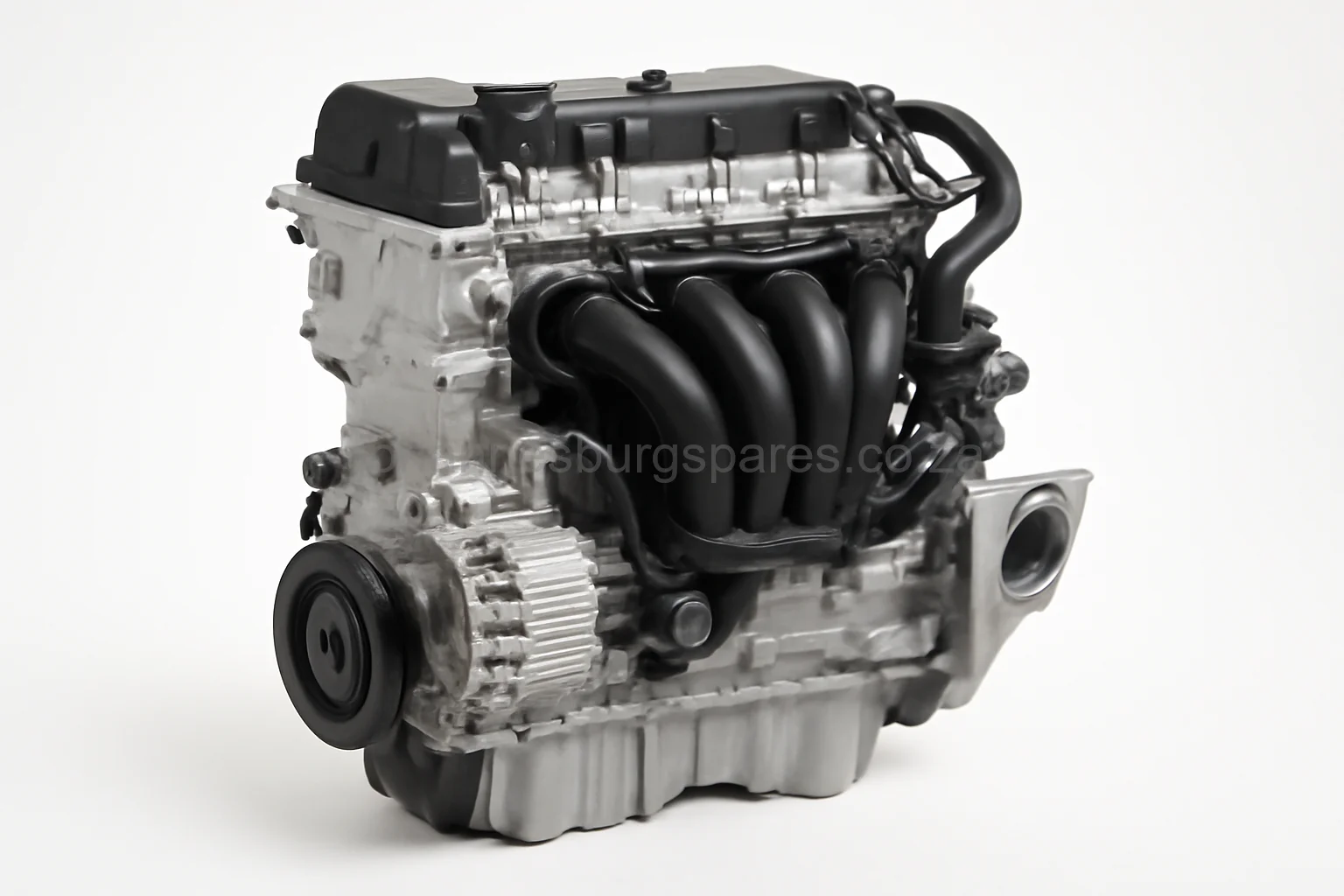
The 2KD-FTV is a 2,494 cc (2.5-litre) DOHC four-cylinder turbocharged diesel introduced by Toyota in late 2001. In South Africa it powers the Hilux N70 generation (2005–2015) in both 2WD and 4WD configurations, the Fortuner 2.5 D4D first generation (2005–2015), and the HiAce commuter van. It uses Toyota’s D-4D common-rail direct-injection system and a compression ratio of 17.4:1 in post-2005 engines (early 2001–2004 engines ran 18.5:1). Power output varies by specification and market — your vehicle’s data plate or service book will show the exact figure for your model.
SA model note: The N70-generation Hilux (2005–2015) with the 2.5 D4D badge uses the 2KD-FTV. The N80 Hilux (2016 onwards) uses the entirely different 2GD-FTV 2.4 GD6. If your Hilux is 2016 or newer, this guide does not apply — see our GD6 engine problems guide instead.
Problem 1: Piston Cracking — The 2KD’s Biggest Risk
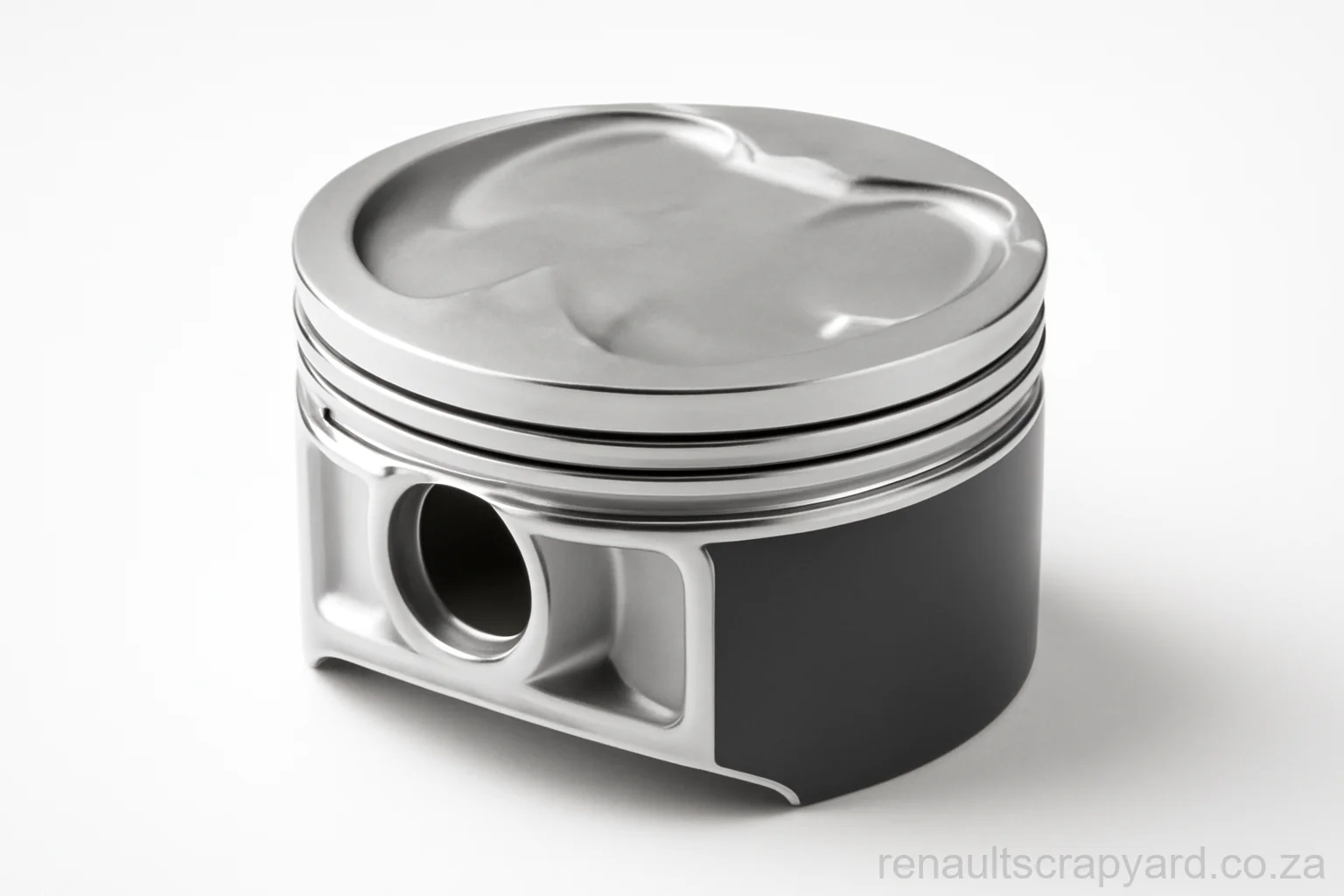
Cracked pistons are the most serious failure mode associated with the 2KD-FTV, particularly in vehicles built before 2011. Dirty or failing injectors inject fuel unevenly, creating localised hot spots in the combustion chamber that crack the aluminium piston crowns over time. Toyota revised the piston design around 2011, so post-2011 engines are significantly less susceptible, but the issue persists in the large number of older 2KD units still on SA roads.
Once a piston cracks, combustion gases contaminate the engine oil and coolant can enter the cylinder — usually resulting in a seized or severely damaged engine requiring a full rebuild or a replacement unit.
Warning: White or grey smoke on startup, rising coolant temperatures without an apparent leak, or a sudden increase in internal engine noise on a pre-2011 2.5 D4D are red flags. Have the injectors pressure-tested immediately rather than waiting for the next service. The cost of an injector test is a fraction of a piston replacement.
Prevention: Replace injector copper seats every 40,000 km and use good-quality, uncontaminated diesel. If you’re buying a pre-2011 2.5 D4D, budget for a proactive injector service at the point of purchase.
Toyota Hilux 2.5 D4D Replacement Engine
New & quality used stock from our Johannesburg & Cape Town branches — delivered nationwide.
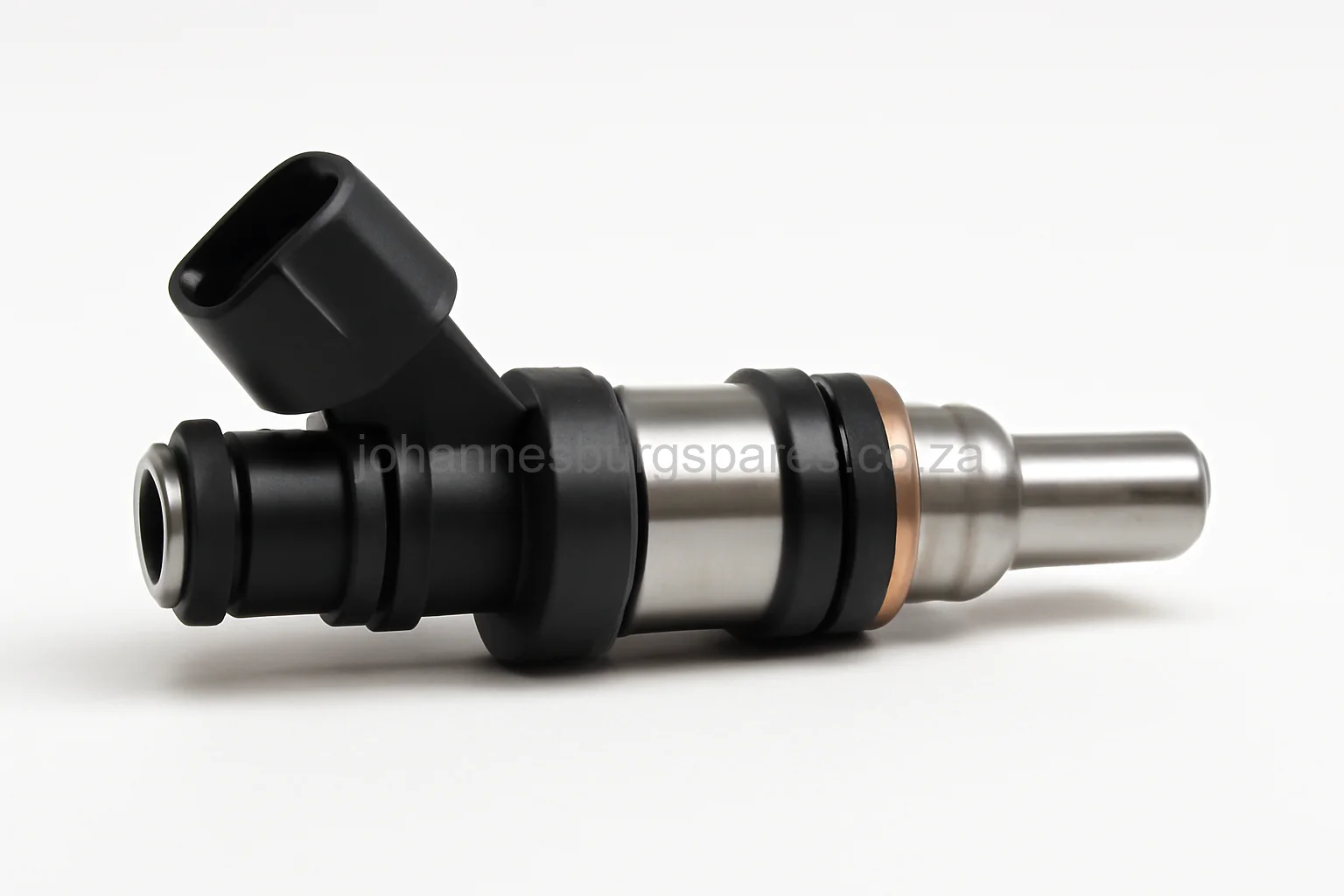
Problem 2: Diesel Injector Failure and Fouling
Common-rail injectors in the 2KD-FTV operate at extremely high pressure and are sensitive to fuel quality and moisture contamination. In South Africa’s mixed fuel supply environment, injector fouling and premature failure are among the most frequently reported problems on this engine.
Symptoms of failing 2KD-FTV injectors
Rough idle and misfiring at low rpm
Black or white smoke from the exhaust
Loss of power, especially under load or towing
Increased fuel consumption
Hard starting or extended cranking
2KD-FTV Injector Replacement Cost in SA (2026)
Option
Cost Per Injector
Full Set (4 injectors)
Reconditioned on exchange
~R2,185
R8,500–R12,500
New aftermarket
R3,200–R3,500
R12,800–R14,000
New genuine Toyota
~R4,057
~R16,228
Labour (remove and refit at diesel specialist)
R1,000–R3,000
Tip: Always use a reputable diesel workshop to flow-test injectors before committing to replacement. A dirty injector can often be cleaned and retested, buying another 30,000–50,000 km at a fraction of replacement cost.
Problem 3: EGR Valve Clogging and Carbon Buildup
The Exhaust Gas Recirculation (EGR) valve recirculates exhaust gases back into the intake to reduce emissions. Over time, soot and carbon accumulate in the EGR valve and intake manifold, restricting airflow. Symptoms include:
Rough idle and stumbling
Poor acceleration and reduced power
Increased fuel consumption
Black smoke under load
Check Engine warning light
EGR Valve Costs — Toyota Hilux 2.5 D4D (SA, 2026)
Service
Estimated Cost
EGR valve clean and refit
R800–R1,500
Used EGR valve replacement
~R1,924
New EGR valve (aftermarket or OEM)
R2,500–R4,500
Tip: Fitting an oil catch can on the crankcase breather system reduces the oil mist entering the intake, significantly slowing carbon buildup in the EGR valve and intake passages. A quality catch can fitted costs R800–R1,500 and is one of the best preventive upgrades for any D4D diesel.
Problem 4: Turbocharger Faults and Limp Mode
When the turbocharger or its associated actuator and boost control components fail on the 2KD-FTV, the engine management system limits boost to protect the engine — what SA Hilux owners commonly call “limp mode.” The vehicle feels gutless and refuses to pull properly, particularly at highway speeds or under load.
Symptoms of a 2KD-FTV turbo fault
Sudden, significant loss of power
Engine revs feel capped or the vehicle won’t accelerate beyond a certain point
Note: Before replacing the full turbo unit, have a diesel specialist diagnose the actuator and boost control system specifically. A faulty actuator alone is far cheaper to replace than the complete unit and accounts for many limp-mode faults.
Problem 5: High Oil Consumption and Sticking Piston Rings
On higher-mileage 2KD-FTV engines — typically those past 150,000 km without consistent oil change intervals — piston ring sticking becomes a documented issue. The rings lose tension or gum up with carbon deposits, allowing engine oil to enter the combustion chamber. This shows up as:
Blue smoke from the exhaust, especially on cold startup or after idling
Needing to top up oil between services
Oily buildup around the exhaust tip
Carbon deposits on the turbocharger impeller
SA Cost Guide (2026)
Engine flush and oil treatment: R500–R1,500
Piston ring replacement: R8,000–R18,000 (labour-intensive job)
Used replacement engine: R49,500–R65,000
Problem 6: Cold Start Rattle and Engine Noise
A noticeable rattle on cold starts is one of the most common complaints from 2KD-FTV owners in South Africa. The three most common causes are:
Injector noise: Partially clogged or sticky injectors produce an uneven firing pattern, loudest when the engine is cold.
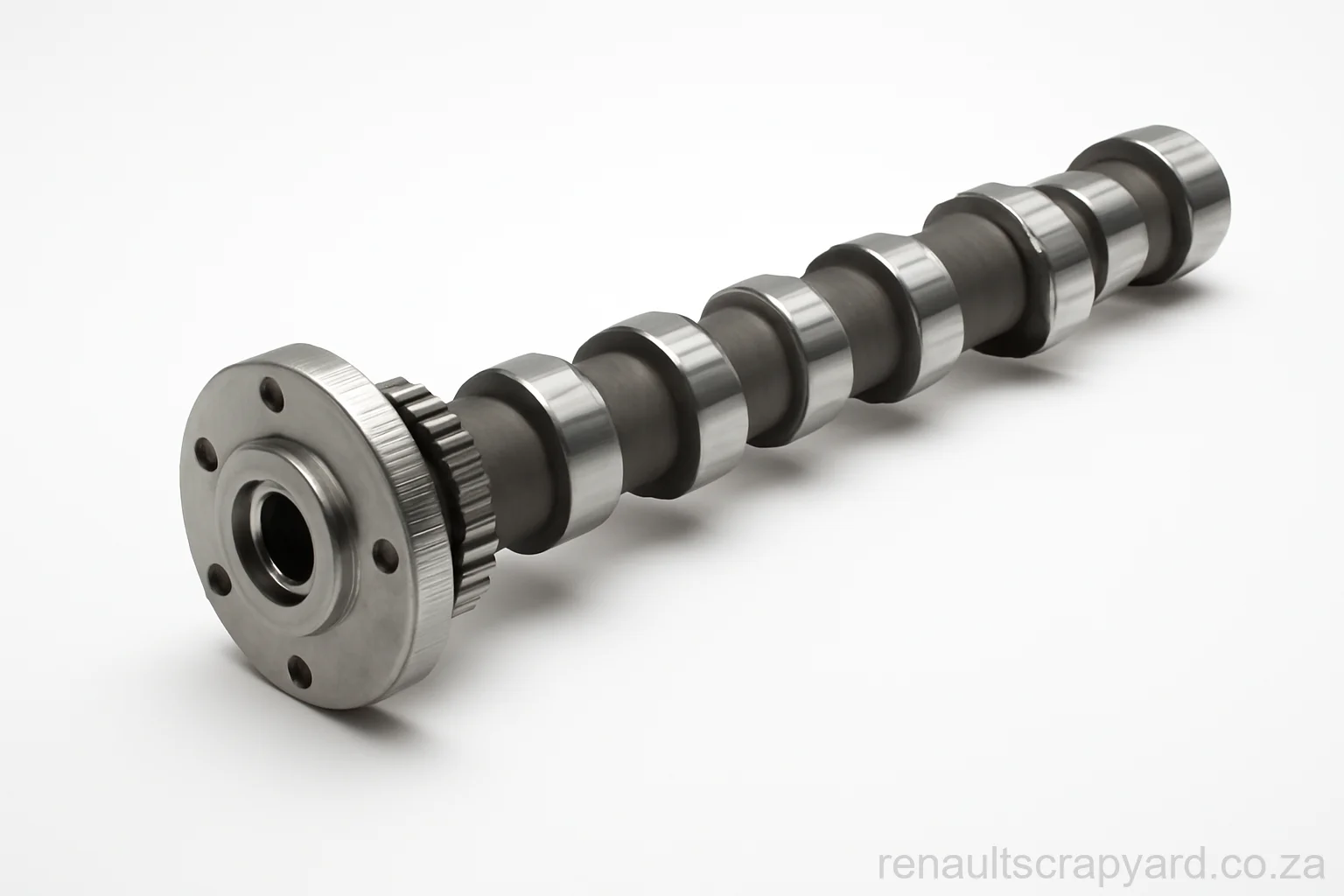
Valve clearance: The 2KD-FTV requires periodic valve clearance adjustment. Out-of-spec clearances produce a ticking or tapping noise that is most pronounced when cold.
Timing chain wear: High-mileage engines can develop timing chain slack, producing a rattle on startup before oil pressure builds fully.
Tip: A rattle that disappears within 30 seconds of startup is typically hydraulic in nature (oil pressure building) and is less immediately concerning. A rattle that persists beyond warm-up should be diagnosed promptly as it can indicate early injector or timing chain wear.
Problem 7: Oil Pickup Blockage — The Escalating Risk
Neglected injector problems combined with infrequent oil changes cause carbon and soot to contaminate and thicken the engine oil. This sludge can partially or fully block the oil pickup strainer in the sump, starving the engine of lubrication and causing accelerated wear or complete seizure.
Oil pickup blockage is the hardest 2KD-FTV failure to recover from. A seized engine almost always means a replacement unit. Prevention requires only two things:
Critical maintenance: Change the engine oil every 5,000–7,500 km using the Toyota-specified SAE 5W-30 diesel-grade oil. Never extend oil change intervals on a high-mileage or problem D4D engine, and address injector faults promptly — leaking or misfiring injectors are the primary cause of oil contamination on this engine.
Toyota Hilux 2.5 D4D Injectors
New & quality used stock from our Johannesburg & Cape Town branches — delivered nationwide.
Buying a Used Hilux 2.5 D4D: Pre-Purchase Inspection Guide
If you’re considering a used N70 Hilux, run through this checklist before handing over any money:
Cold start test — Always start the engine from cold. Smoke, persistent rattling, or rough running on a cold engine is a warning sign.
Injector service records — Ask for workshop invoices. Seat replacements at regular intervals is a good sign. No service history on a higher-mileage vehicle is a red flag.
Oil condition — Pull the dipstick. Milky, frothy or gritty oil suggests coolant contamination or sludge buildup.
Coolant level and colour — Dropping coolant on a diesel engine can indicate a cracked piston or head gasket issue.
Exhaust smoke check — Blue smoke indicates oil burning. White or grey smoke suggests coolant in the combustion chamber. Black smoke points to injector or EGR issues.
Pre-2011 models — Budget for a proactive injector service if not already in the service record.
Need parts or a replacement unit for your Hilux 2.5 D4D? View our Hilux parts catalogue for engines, injectors, and other components sourced from dismantlers across South Africa.
Frequently Asked Questions
How many kilometres can a 2KD-FTV last?
A well-maintained 2KD-FTV is capable of reaching 300,000–400,000 km or more. The most important factors are regular oil changes (every 5,000–7,500 km), quality diesel fuel, and prompt attention to injector maintenance every 40,000 km. Neglected examples can fail significantly earlier.
Is the 2.5 D4D better than the 3.0 D4D?
For the SA Hilux market, the 2.5 D4D (2KD-FTV) is generally considered more reliable than the older 3.0 D4D (1KD-FTV) in long-term daily use. The 3.0 suffered a more severe copper injector-seat failure in its earlier variants, leading to oil contamination and engine seizure. The 2.5 produces less power and torque but its lower stress levels make it a solid long-term proposition when serviced correctly.
What oil should I use in the 2KD-FTV?
Toyota specifies SAE 5W-30 diesel-grade engine oil for the 2KD-FTV. In South Africa, a quality 5W-30 fully or semi-synthetic oil is suitable. Change intervals should be every 5,000–7,500 km, not the 15,000 km intervals sometimes listed for newer vehicles — the 2KD rewards shorter intervals, especially on higher-mileage engines.
Can I drive with a cracked piston on a 2KD?
No. A cracked piston is an emergency. Continuing to drive risks rapid coolant contamination, oil contamination, and complete engine seizure. If you notice white smoke, unexplained coolant loss, or sudden rough running, stop and have the vehicle towed to a diesel specialist for diagnosis.
Where can I get a used 2.5 D4D engine in SA?
Used 2KD-FTV engines are widely available from South African dismantlers and importers. Prices typically range from R49,500 to R65,000 for a used unit depending on condition and mileage. Always confirm the engine code against your vehicle before purchasing. Use the quote form on this page to get a free price from our team.
Does the 2KD-FTV have the same injector copper-seal problem as the 1KD?
No. The catastrophic copper injector-seat failure — which caused oil contamination and engine seizure — was primarily associated with the 3.0-litre 1KD-FTV engine. The 2KD-FTV (2.5-litre) is a different engine built to different tolerances and does not share that specific failure mode, though it is still sensitive to fuel quality and requires regular injector maintenance to avoid piston cracking.
This article is for informational and educational purposes only, based on automotive industry research and publicly available data. Used Toyota Parts SA is a parts supplier, not a licensed automotive repair facility. We do not provide mechanical advice or diagnostics.
Always consult a qualified mechanic or Toyota-certified technician before performing repairs. Incorrect installation of parts can lead to vehicle damage, safety hazards, or injury. Prices, specifications, and availability mentioned are approximate and subject to change.
We assume no liability for actions taken based on this content. Contact us for current parts availability and pricing.
Need Toyota Parts?
Get a free quote from our suppliers. New aftermarket and quality used parts for all 37 Toyota models, delivered nationwide.