


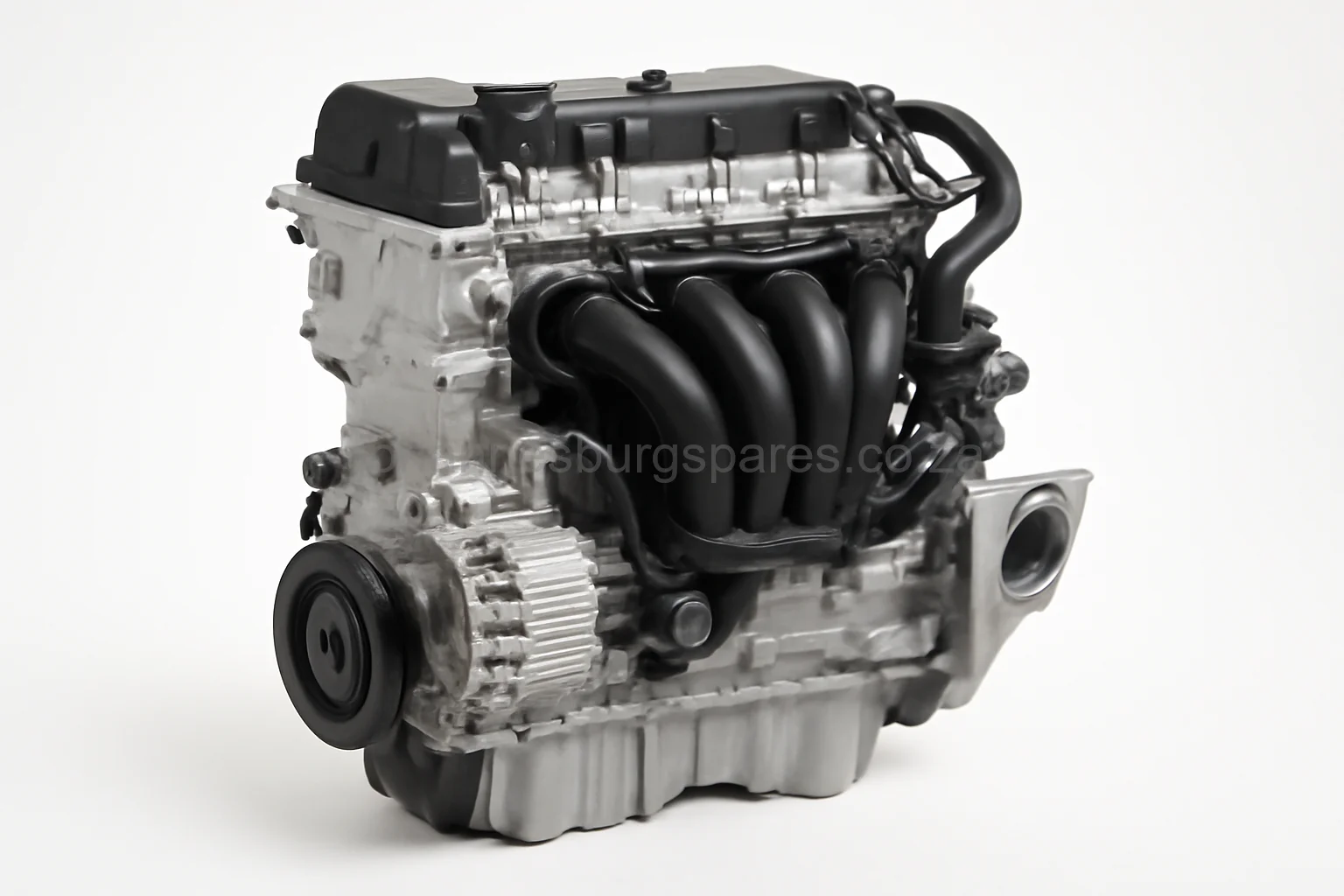

The Toyota 2.8 GD-6 — engine code 1GD-FTV — and its smaller 2.4 GD-6 sibling (2GD-FTV) replaced the old 3.0 D4D in 2015 and now sit under the bonnet of most modern Hilux Raiders, Legends and the bulk of the Fortuner range. They’re genuinely good diesels: more torque, quieter, cleaner. But “cleaner” is exactly where the trouble starts — Toyota bolted a DPF, an EGR loop and a variable-geometry turbo onto a motor that South Africans then run on variable-quality diesel, on dusty gravel, doing short town hops that never get the exhaust hot enough. Across Australian owner forums, the Williams class-action record and UK Hilux forum threads, six failure clusters come up again and again. This guide breaks each one down with the symptoms, the real fault codes, the mileage you’ll see it at, and what it costs to fix in South Africa in 2026.
If you want the broad, whole-vehicle picture across both engine generations — including suspension, recalls and gearbox faults — start with our Hilux common problems overview. This guide is the deep dive on the engine alone.
Key Takeaways
| Problem | Affected Engine | Typical Mileage | Indicative SA Repair Cost |
|---|---|---|---|
| DPF clogging / failed regeneration | 1GD-FTV & 2GD-FTV | Any (town use) | R2,000 - R40,000 |
| Fuel injector wear / failure | 1GD-FTV & 2GD-FTV | 120,000 - 200,000 km | R4,000 - R35,000 |
| VNT turbo actuator sticking | 1GD-FTV & 2GD-FTV | 120,000 - 180,000 km | R6,000 - R24,500 |
| EGR & intake carbon build-up | 1GD-FTV & 2GD-FTV | 80,000 - 150,000 km | R3,000 - R8,000 |
| Oil dilution from incomplete regens | 1GD-FTV & 2GD-FTV | Any (town use) | R1,200 - R135,000 |
| Timing chain rattle (pre-mid-2017) | 1GD-FTV | 20,000 - 80,000 km | R0 (warranty) - R25,000 |
| Lack of power / derate (limp mode) | 1GD-FTV & 2GD-FTV | Any | Diagnose first — R1,500+ |
How the GD-6 Engines Are Configured
Before you diagnose anything, confirm which GD-6 you have. The two engines share the same architecture, the same DPF/EGR/VNT emissions hardware and most of the same faults — the differences are displacement, output and how hard each is worked.
| Engine Code | Capacity | Outputs | Found In | Emissions Hardware |
|---|---|---|---|---|
| 1GD-FTV | 2.8 L turbo-diesel | ~130-150 kW / 420-500 Nm | Hilux Raider/Legend, Fortuner 2.8 | DPF + EGR + VNT turbo |
| 2GD-FTV | 2.4 L turbo-diesel | ~110 kW / 343-400 Nm | Hilux SRX/fleet, Fortuner 2.4 | DPF + EGR + VNT turbo |
The headline point for diagnosis: the 2.4 2GD-FTV runs at a higher specific load to make up for its smaller capacity, so the injector and turbo-actuator faults below tend to arrive earlier on a hard-worked 2.4 than on the equivalent 2.8. Everything else applies equally to both. The Fortuner uses the same engines, so Fortuner owners reading this can apply the lot directly.
1. DPF Clogging and Failed Regeneration
This is the number-one GD-6 engine fault across every Hilux owner community internationally, and it’s the one South African town-drivers hit hardest. The diesel particulate filter (DPF) traps soot and then burns it off (“regenerates”) by raising exhaust temperature — but that regen cycle only triggers on a sustained, hot, higher-load run. If you mostly do short trips around town, the exhaust never gets hot enough, soot piles up, and the engine eventually drops into limp mode to protect the filter.
Symptoms (from owner reports):
- DPF / exhaust-filter warning light on the dashboard
- White smoke from the exhaust, sometimes foul-smelling
- Noticeably worse fuel consumption
- Rough idle or hesitation
- Limp-home mode (power cut, often capped low) once the filter is fully blocked
Why South Africa hits this harder: the filter needs a sustained highway run at 80+ km/h for 20-30 minutes to regenerate properly, and a bakkie that only ever does the school-run and the shops will clog its DPF no matter how well it’s serviced. That the 2018-onwards trucks gained a dashboard manual-regen button — a running change reported by Practical Motoring — is itself the clearest sign the automatic cycle wasn’t completing often enough in real-world use.
SA Repair Cost — DPF (Indicative ranges only, not quotes; prices vary by condition, mileage, supplier and labour rate)
- DPF fault-code reset / forced regen on a scan tool: R2,000
- Professional off-car DPF clean: R5,000 - R15,000
- Full DPF replacement unit: R25,000 - R40,000
The R0 fix that prevents the R40,000 one
Take the bakkie for a 20-30 minute run at a sustained 80-100 km/h, in a slightly lower gear to keep the revs up, at least once a week. That single habit lets the DPF complete its regen cycle and is the cheapest insurance against the whole cluster of faults in this guide — because a DPF that can’t regen is also what causes the oil dilution in section 5.
The Australian DPF Class Action — Why SA Owners Should Care
The GD-6 DPF problem is documented at the highest possible level: an Australian court. In Williams v Toyota Motor Corporation, Justice Lee found in April 2022 that 264,170 Hilux, Fortuner and Prado vehicles built between October 2015 and April 2020 were supplied with a “defective diesel particulate filter” — causing foul-smelling white smoke, excessive DPF notifications, and repeated workshop visits. Toyota appealed; on 27 March 2023 the Full Federal Court upheld the liability finding but cut the reduction-in-value award from 17.5% to 10%, per CarExpert’s report. Toyota added a manual-regen button as a running change mid-2018 and a more effective software/hardware update around May 2020 — the court found the 2018 patch was “largely less effective” than the 2020 fix, as Practical Motoring reported.
South African owners aren’t covered by the Australian action and there’s no equivalent SA class action — but the same GD-6 engine family is sold here, so the Australian record is useful background. Knowing this gives you leverage: if your in-warranty GD-6 keeps clogging, document every dealer visit.
2. Fuel Injector Wear and Failure
The GD-6 runs Denso common-rail injectors at very high pressure, and they don’t love South African diesel. Water contamination and particulates from variable-quality fuel accelerate tip wear and clogging, and a worn injector either dribbles fuel (washing the bore, fouling the DPF) or under-delivers (rough running, hard starts).
Symptoms:
- Hard cold starts — cranking for 5+ seconds before it catches
- Rough idle with visible engine shake
- Black or white smoke under acceleration
- Lack of top-end power, especially under load or towing
- Check-engine light with injector-circuit or balance-rate codes
Fuel quality matters: MotorReviewer’s 1GD-FTV profile notes that the Denso common-rail components “do not like low-quality fuel” and that bad diesel “can quickly kill the high-pressure fuel pump and direct injectors”.
SA Repair Cost — Injectors (Indicative ranges only, not quotes; prices vary by condition, mileage, supplier and labour rate)
- Single new OEM injector: R4,000 - R8,000
- Recondition / clean-and-test a set of four: R8,500 - R14,000
- Full set of four new OEM injectors: R20,000 - R35,000
- Diagnostic scan + injector balance test: R3,000 - R6,000
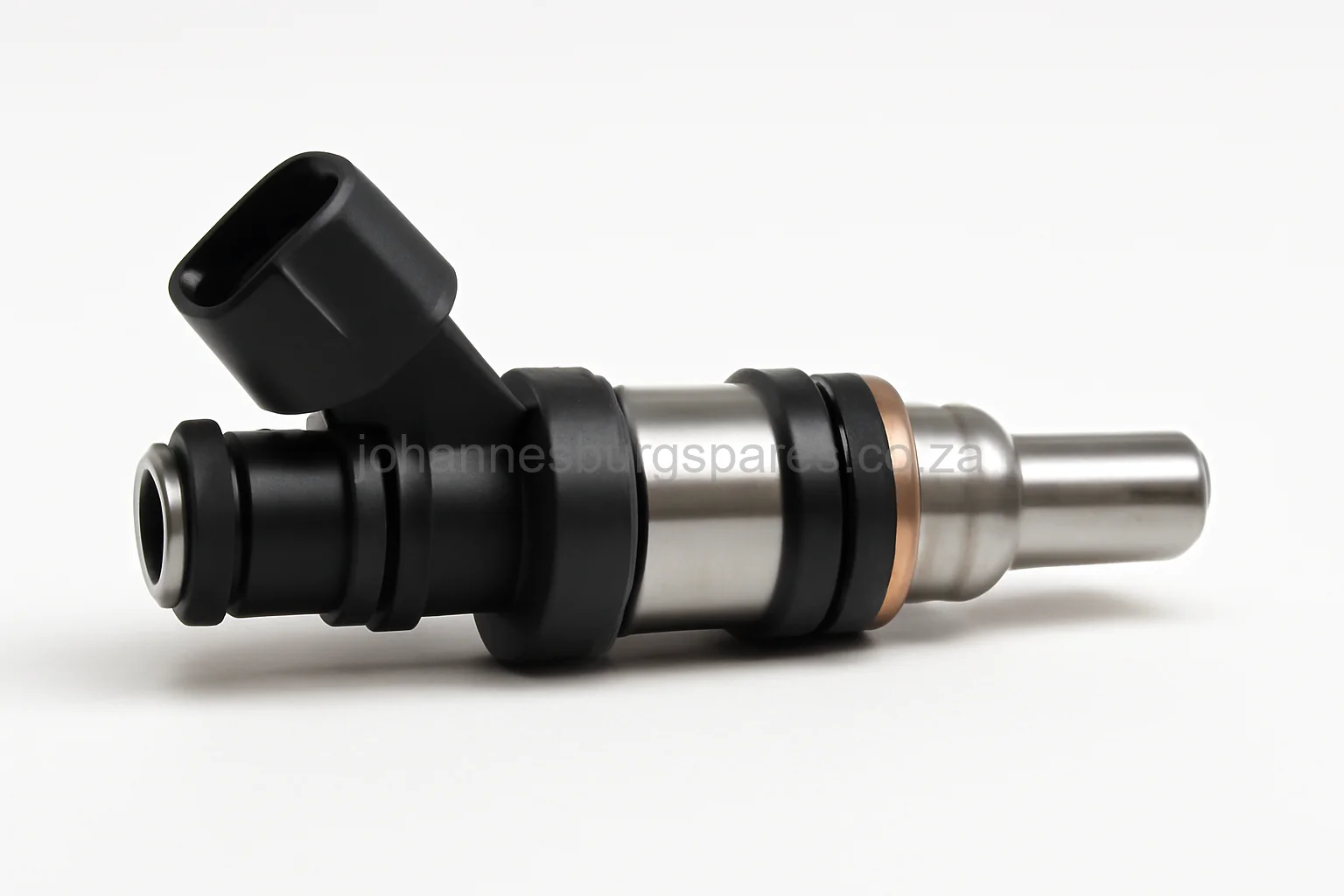
Hilux GD-6 Injectors & Common-Rail Parts
Replacing or reconditioning all four injectors as a set — never just the one — is the durable fix, because a single weak injector ages the others. Request quotes for new aftermarket (Gemini Parts, JHB) or used (Caryota Spare, CPT) injectors, rails and fuel pumps for the 1GD-FTV and 2GD-FTV.
A word on fuel filters: the cheapest injector protection on a GD-6 is a fresh fuel filter at every service and draining the water trap regularly. SA diesel water content is the single biggest enemy of these injectors, and a R300 filter beats a R30,000 injector set every time.
3. VNT Turbo Actuator Sticking (P2562 / P2563)
The GD-6 uses a variable-nozzle-turbine (VNT) turbo, controlled electronically by a stepper-motor actuator rather than an old-school vacuum wastegate. The actuator swings the vanes to match boost to throttle — and it’s the weak link. Carbon from the exhaust gradually binds the vane mechanism, or moisture corrodes the actuator’s electrical connector, and the ECU loses the ability to control boost. The result is limp mode.
The two fault codes most often associated with it:
| Code | Meaning |
|---|---|
| P2562 | Turbo boost-control position sensor circuit |
| P2563 | Turbo boost-control position sensor circuit range/performance |
Symptoms:
- Sudden loss of power; engine won’t pull past low revs
- Delayed or absent boost response, audible turbo lag
- Surging boost at a steady cruise
- Check-engine light with reduced power, often clearing on restart then returning
Mileage at failure: typically 120,000-180,000 km on a 2.8, earlier on a hard-worked or towing 2.4 where vane carbon builds faster.
The fix — and why it’s often NOT a whole turbo: if the fault is in the actuator or its wiring, or there’s only minor sticking, an actuator-only replacement plus recalibration can solve it for a fraction of a new turbo. If the vane mechanism itself is damaged, you’re into a turbo rebuild or replacement. Don’t let a workshop quote you a full turbo before they’ve confirmed which codes are stored and bench-tested the actuator under heat.
SA Repair Cost — VNT Turbo (Indicative ranges only, not quotes; prices vary by condition, mileage, supplier and labour rate)
- Actuator-only replacement + recalibration: R6,000 - R15,000
- Turbo reconditioning: R10,000 - R20,000
- Complete CT16V turbo (used or new), listed on our turbochargers page: R14,500 - R24,500 (2.8) or R11,500 - R19,500 (2.4)
4. EGR Valve and Intake Carbon Build-Up
The EGR (exhaust-gas recirculation) valve routes a portion of exhaust back into the intake to cut NOx emissions. The problem is that diesel exhaust is sooty, so over time carbon cakes the EGR valve and the intake manifold, choking airflow. On the GD-6 this is accelerated by the same town driving and dusty conditions that cause the DPF and injector troubles — it all compounds.
Symptoms:
- Power loss, especially at higher revs
- Fuel consumption up 10-15% on normal
- Rough idle
- EGR-related fault codes and, in bad cases, derate
Mileage at failure: carbon build-up becomes noticeable from around 80,000-150,000 km, sooner on commercial bakkies in mining and farming areas.
The fix is usually a clean rather than a replacement — a workshop strips and de-cokes the EGR valve and intake manifold for R3,000-R5,000. A new EGR valve fitted runs R5,000-R8,000. Some owners ask about EGR blanking plates; be aware that blanking affects emissions compliance and roadworthy status in South Africa, so it’s not a free lunch.
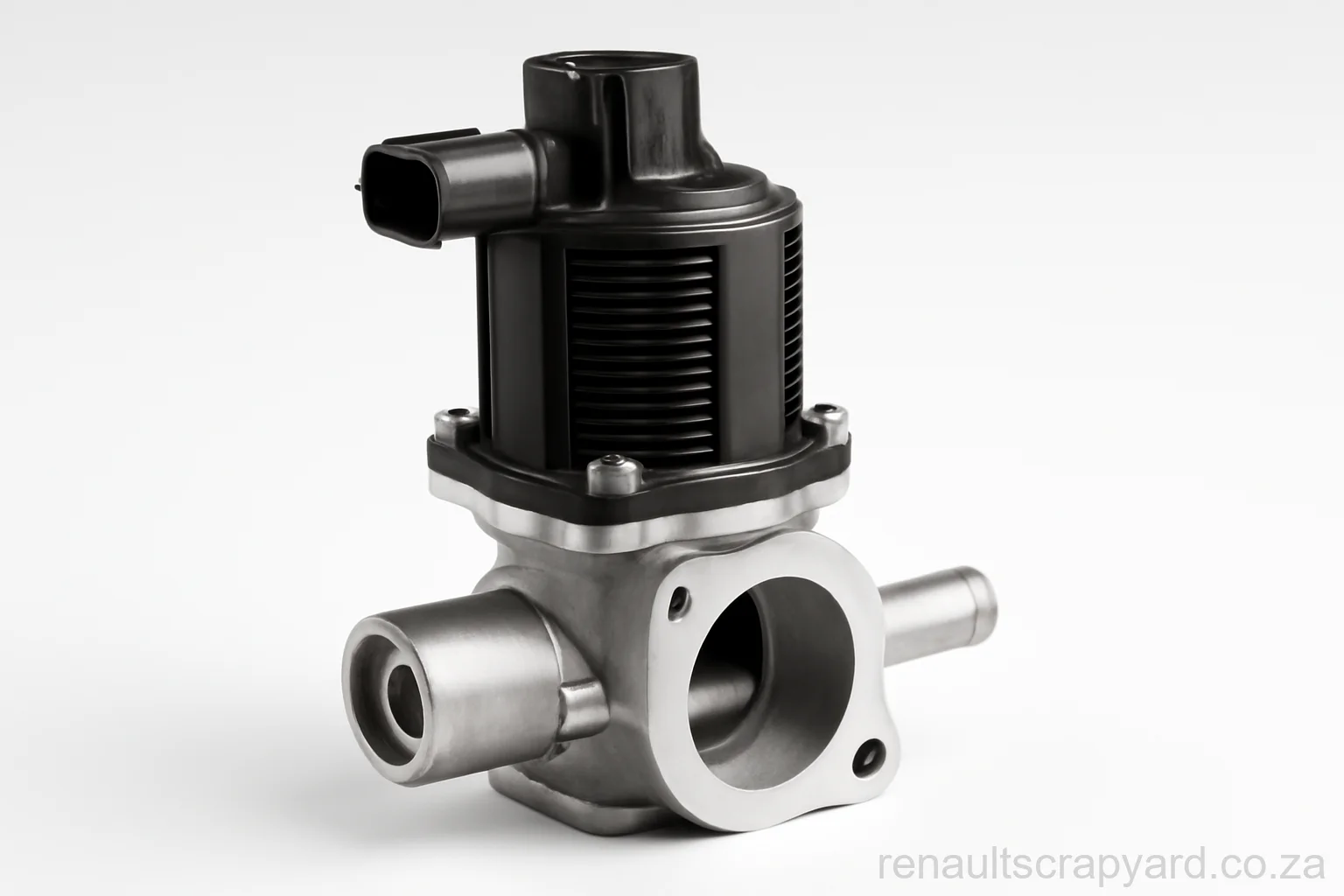
Hilux GD-6 EGR Valves & Intake Parts
When an EGR valve is past cleaning, replacement is the honest fix. Request quotes for new aftermarket (Gemini Parts, JHB) or used (Caryota Spare, CPT) EGR valves, coolers and intake plumbing for the 1GD-FTV and 2GD-FTV.
5. Oil Dilution from Incomplete DPF Regens
This is the GD-6 fault most owners have never heard of, and it’s the one that quietly destroys engines. It’s a direct knock-on of the DPF problem in section 1, so it hits the same town-driven bakkies.
Here’s the mechanism. To burn off the DPF, the engine injects a little extra fuel late in the combustion stroke to raise exhaust temperature (“post-injection”). On a hot, completed highway regen that fuel burns cleanly. But on a short town trip where the regen keeps starting and aborting, some of that post-injected fuel doesn’t burn — it washes down the cylinder wall, past the rings, and into the sump, diluting the engine oil with raw diesel.
Symptoms:
- Oil level rising on the dipstick between services — the smoking gun
- A diesel smell to the engine oil
- Thinner-feeling oil, dropping oil pressure over time
- In the worst case, oil starvation and bearing/engine failure if it’s run for tens of thousands of km on fuel-thinned oil
Mileage at failure: there’s no fixed number — it depends entirely on driving pattern. A town-only bakkie can dilute its oil meaningfully within a single service interval; a highway-driven one may never see it.
Check the dipstick level, not just the colour
The classic mistake is judging diesel oil by colour — it goes black in 1,000 km and that’s normal. The real warning sign on a GD-6 is the level rising between services. If your dipstick reads higher than it did at the last oil change, you have fuel dilution, and you need a fresh oil-and-filter change plus a long highway run to clear the DPF — before the diluted oil costs you a replacement engine (listed on our engines page at R85,000-R135,000 for the 2.8).
SA Cost — Oil Dilution (Indicative ranges only, not quotes; prices vary by condition, mileage, supplier and labour rate)
- Early intervention: oil + filter change + forced regen: R1,200 - R2,500
- Replacement engine after oil-starvation damage, listed on our engines page: R85,000 - R135,000 (2.8 1GD-FTV) or R70,000 - R110,000 (2.4 2GD-FTV)
6. Timing Chain Rattle (Pre-Mid-2017)
The early 1GD-FTV had a genuine manufacturing defect in the timing-chain drive, and it’s the best-documented hardware fault on the engine outside the DPF. Owners report a distinct rattle — most audible on cold start — appearing surprisingly early.
What the forums and Toyota’s own warranty record show: on the long-running NewHilux.net timing-chain thread and Australian PradoPoint discussions, the consistent picture is:
- A worn manufacturing tool produced incorrect gear-drive pulleys on Hilux units built up to mid-2017 — these are the worst-affected.
- On post-mid-2017 engines, the residual noise comes from chain-to-damper contact caused by supply-pump/crankshaft-sprocket alignment, generally quieter and less damaging.
- Warranty chain replacements have been reported as early as ~20,000-30,000 km, with owners hearing the rattle anywhere up to 70,000-80,000 km.
Symptoms:
- A rattle or chatter from the front of the engine, loudest in the first few seconds after a cold start
- The noise often quietening once oil pressure builds
- UK owners on the Toyota Owners Club forum report the same start-up rattle and the debate over whether Toyota deems it “acceptable”
The fix: on an in-warranty truck, Toyota replaces the chain, guides, tensioner and affected sprockets at no cost — push for it if you have a pre-mid-2017 build with the rattle. Out of warranty, a full timing-chain kit and labour runs R12,000-R25,000 depending on how much of the drive is replaced. Don’t ignore a persistent rattle: a chain that jumps a tooth on this interference engine can bend valves and turn a R20,000 job into an engine.
Lack of Power and Derate — The Overlap Symptom
“My GD-6 has no power” and “it went into limp mode” are the most common complaints owners arrive with — but they’re symptoms, not a diagnosis. Every fault in this guide can trigger a derate: a blocked DPF, a failing injector, a stuck turbo actuator, a choked EGR. That’s exactly why guessing is expensive.
The right first step is always a scan-tool read of the stored fault codes and live freeze-frame data. P2562/P2563 points to the turbo actuator; DPF differential-pressure codes point to the filter; injector balance-rate or circuit codes point to fuelling. A R1,500 diagnostic scan tells you which R6,000-R40,000 repair you actually need — and stops you paying for a turbo when the real fault was a R300 fuel filter and a clogged DPF. If a workshop quotes a major repair without showing you the codes and freeze-frame behind it, get a second opinion from a diesel specialist.
Is the 2.8 GD-6 a Reliable Engine?
Yes — with the right maintenance and driving pattern. MotorReviewer describes the 1GD-FTV as “a reliable, strong, and technologically advanced diesel engine”, while listing DPF clogging and early timing-chain rattle among its notable issues. The faults above are real, but they’re overwhelmingly emissions-system and fuel-quality problems, not bottom-end weaknesses — the block, crank and head are stout. The single biggest lever an SA owner has is the weekly highway run: it keeps the DPF clear, which prevents the oil dilution, which protects the bottom end. Add fresh fuel filters for the injectors and a periodic EGR clean, and a GD-6 will comfortably run past 300,000 km.
For the parts side of any of these repairs, browse our Hilux engine parts catalogue, or if you’re facing a recon after oil-dilution or a seized engine, our used and recon engines page lists 1GD-FTV and 2GD-FTV engines. Both our supplier partners — Gemini Parts in Johannesburg (new aftermarket) and Caryota Spare in Cape Town (quality used) — quote on GD-6 engine parts, and the quote form goes to both at once so you get JHB and CPT pricing in one go.
FAQ
What is the most common 2.8 GD-6 engine problem?
DPF clogging on town-driven bakkies is the single most common GD-6 engine fault, and it’s the root of a chain of related problems — incomplete DPF regens cause oil dilution, and a blocked DPF triggers the derate/limp-mode that owners feel as “lack of power”. It’s the same defect that drove the Australian Williams class action covering 264,170 Hilux, Fortuner and Prado vehicles. The fix at the cheap end is a R2,000 forced regen and a weekly highway run; at the expensive end a R25,000-R40,000 new DPF.
Why does my Hilux GD-6 keep going into limp mode?
Limp mode (derate) is a protective response, not a diagnosis. On a GD-6 it’s most often a blocked DPF, but it can also be a stuck VNT turbo actuator (codes P2562/P2563), a failing injector, or a choked EGR. The only reliable way to know is a scan-tool read of the stored codes — a R1,500 diagnostic tells you which repair you actually need before you spend anything on parts.
Is the Toyota 2.4 GD-6 (2GD-FTV) more or less reliable than the 2.8?
They share the same architecture and the same faults, but the 2.4 2GD-FTV runs at a higher specific load to compensate for its smaller capacity, so injector wear and turbo-actuator carbon tend to arrive earlier on a hard-worked 2.4 — often around 120,000 km versus 180,000 km on a lightly-used 2.8. For light-duty use the difference is marginal; for heavy towing or fleet duty, the 2.8 has more margin.
How serious is the GD-6 timing chain rattle?
On Hilux units built up to mid-2017 it’s a recognised manufacturing defect — worn tooling produced incorrect gear-drive pulleys, and Toyota has replaced chains under warranty from as early as 20,000-30,000 km. A start-up rattle on a pre-mid-2017 truck should be checked immediately; on this interference engine a chain that skips a tooth can bend valves. In warranty it’s a free fix; out of warranty a full chain kit and labour is R12,000-R25,000.
Should I worry about oil dilution on my GD-6?
Only if you do mostly short town trips. Oil dilution happens when the DPF keeps trying and failing to regenerate, washing unburned post-injection diesel into the sump. The warning sign is the oil level rising on the dipstick between services. Catch it early with a fresh oil-and-filter change and regular highway runs, and it costs almost nothing; ignore it for tens of thousands of km and the fuel-thinned oil can starve the bearings and write off the engine.
Where can I get GD-6 engine parts in South Africa?
Use the quote form on our Hilux engine parts catalogue — it goes simultaneously to Gemini Parts (Johannesburg, new aftermarket) and Caryota Spare (Cape Town, used parts), so you get pricing from both regions. You can also phone direct: 011 334 1417 for JHB or 021 903 7039 for CPT. You can request quotes for injectors, turbos and actuators, EGR valves, DPF components and complete 1GD-FTV and 2GD-FTV engines.