
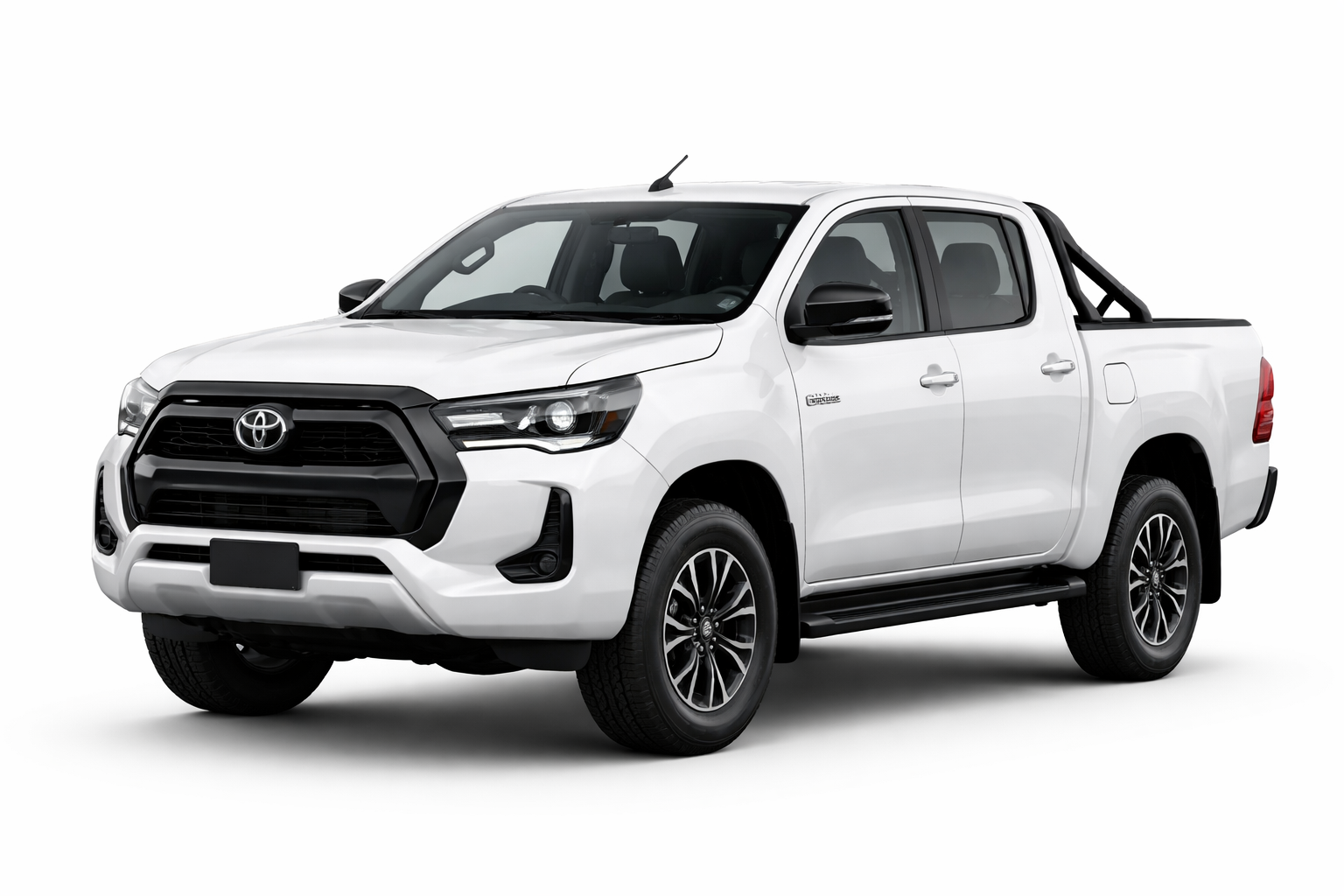

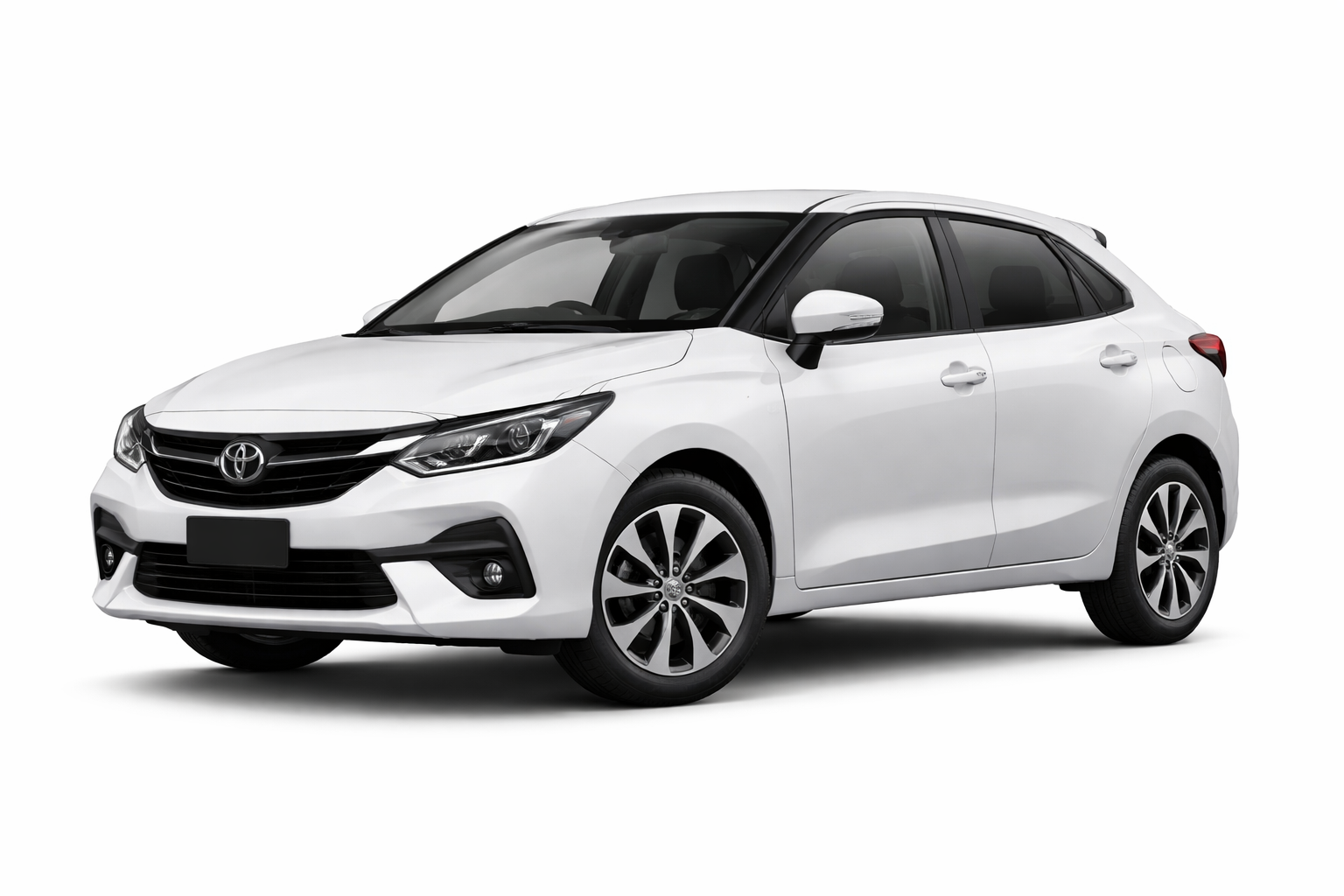
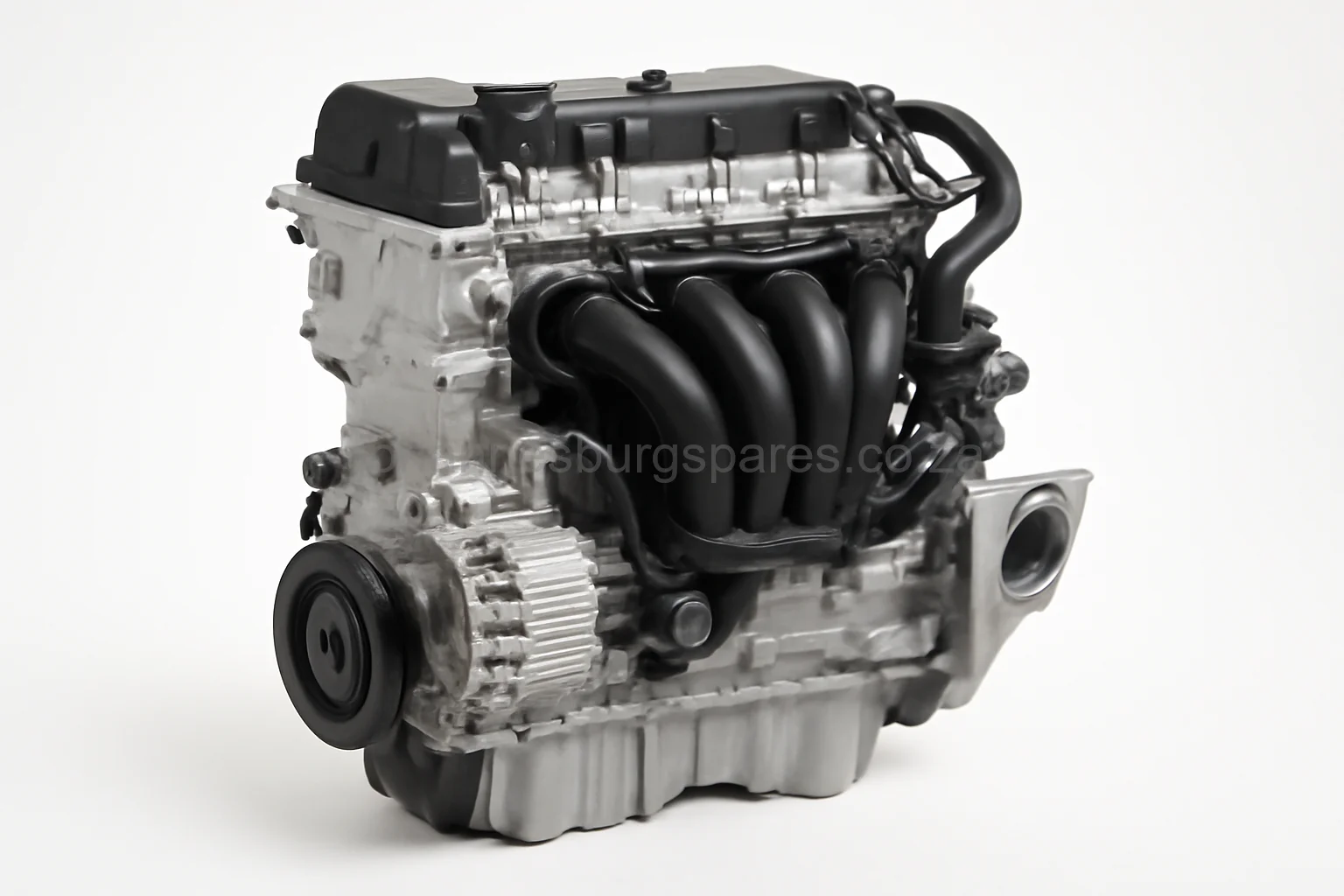

The Toyota Hilux is the best-selling bakkie in South Africa and one of the most durable vehicles on the planet — over 19 million sold worldwide and a genuine 300,000 km-plus service life when it’s looked after. But “bulletproof” has never meant “faultless”, and the faults change sharply depending on which Hilux you’re looking at. After mapping owner reports, South African workshop callbacks and overseas technical bulletins by year, the pattern is clear: the 2005-2015 3.0 D4D and the 2016-onwards GD-6 fail in completely different ways, and diagnosing the wrong generation’s problem is how people waste thousands of rand. This is the master overview — it tells you what breaks on each year, what it costs to fix in South Africa, and where to dig deeper on the two big-ticket areas (engine and gearbox) via our specialist guides.
Key Takeaways
| Area | Common Problem | Worst-Affected Years | Typical Cost (ZAR) |
|---|---|---|---|
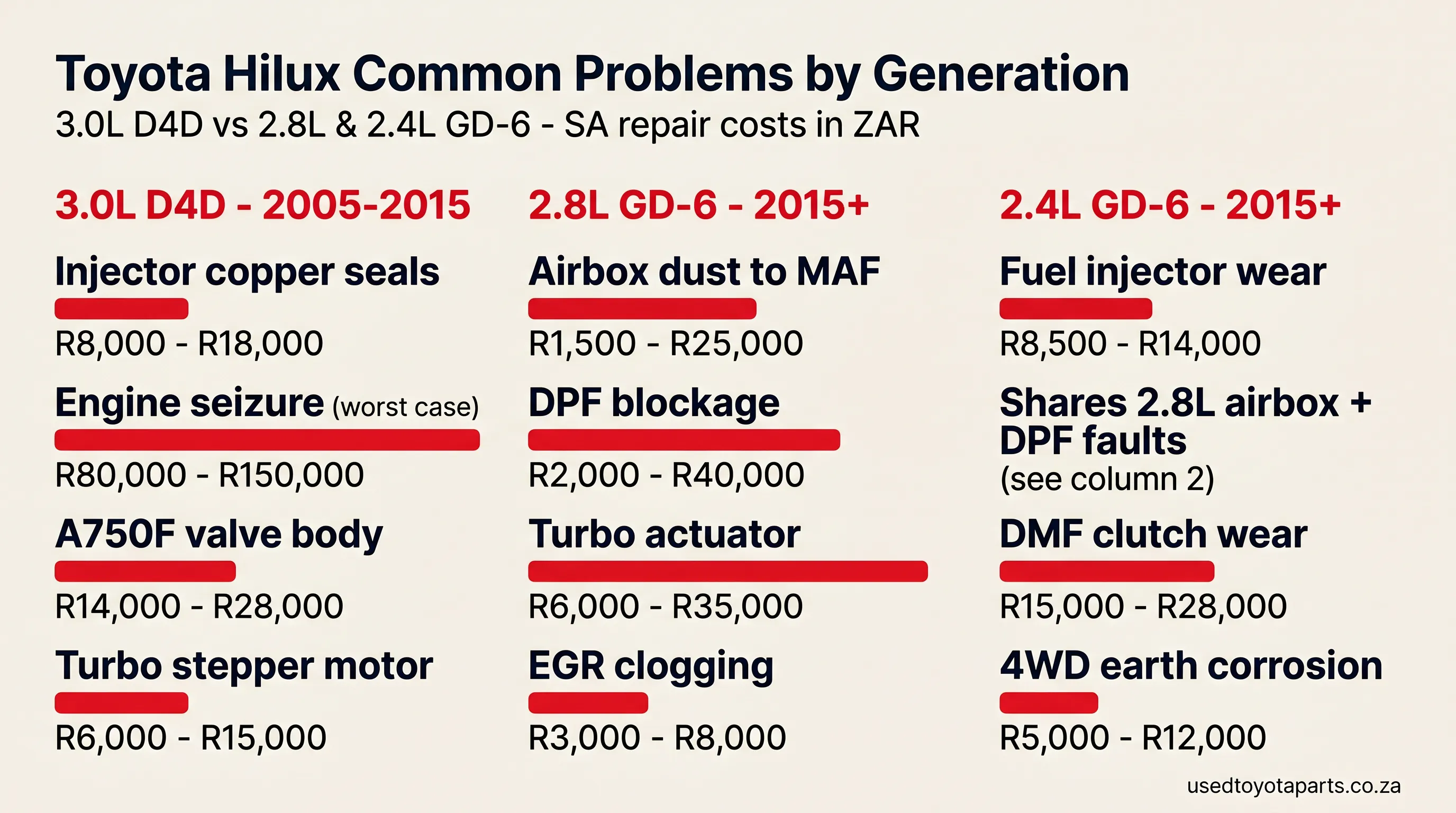
| Engine (D4D) | Injector copper-seal failure → oil sludge | 2005-2015 (3.0 D4D) | R8,000 - R18,000 |
| Engine (GD-6) | DPF blockage / airbox dust ingress | 2016-current (2.4 & 2.8 GD-6) | R2,000 - R40,000 |
| Turbo | VGT stepper-motor / actuator failure | 2005-current (all diesel) | R4,500 - R35,000 |
| Gearbox | Valve body, synchro & DMF wear | 2005-current | R8,000 - R55,000 |
| Suspension | Leaf-spring sag, shocks, ball joints, CV joints | All years (load-dependent) | R1,500 - R8,000 |
| Driveline (4WD) | Front diff / 4WD engagement faults | 2005-2015 (diff), 2016+ (electronic) | R5,000 - R20,000 |
| Electrical | Power windows, AC overheat, MAF codes | All years | R500 - R6,000 |
| Body / rust | Chassis & load-bin corrosion | Coastal & high-mileage trucks | R3,000 - R25,000 |
| Recall (petrol) | Denso fuel pump — sudden stall | 2013-2020 (2.7 petrol) | R0 (under recall) |
Which Hilux Do You Have? Problems by Year
Before you chase a fault, identify your generation — the same symptom points to different parts on a 2010 versus a 2020 Hilux.
| Years (SA) | Generation | Engines | Gearbox | Headline Problems |
|---|---|---|---|---|
| 2005-2011 | 7th gen (KUN) | 2.5 / 3.0 D4D (1KD/2KD-FTV), 2.7 petrol | R151F manual, A750F auto | Injector seals, turbo stepper motor, clutch wear |
| 2011-2015 | 7th gen facelift (KUN) | 3.0 D4D, 2.7 petrol | R151F, A750F | Same as above + ageing suspension, front diff on hard 4x4 use |
| 2016-2020 | 8th gen (GUN) | 2.4 / 2.8 GD-6 (2GD/1GD-FTV), 2.7 petrol | 6-spd manual, AC60E/AC60F auto | DPF blockage, airbox dust ingress, DMF shudder |
| 2020-2024 | 8th gen facelift (GUN) | 2.4 / 2.8 GD-6 (uprated 1GD), 2.7 petrol | 6-spd manual, AC60F auto | DPF (improved but present), electrical niggles, EPS recall |
The clean break is 2016: that’s when South Africa switched from the 3.0 D4D to the GD-6 family and from a mechanically simple diesel to an emissions-controlled one. Everything before 2016 is a “mechanical” problem set; everything after is an “electronic and emissions” problem set. Below, each section summarises the issue and points you to the deep-dive guide where it matters.
Engine Problems
7th-gen 3.0 D4D (1KD-FTV, 2005-2015): injector seals and sludge
The headline 7th-gen fault is the injector copper-seal failure. The original copper seats — particularly on pre-August-2007 builds — soften under common-rail pressure, and once a seal goes, combustion blow-by pushes past the injector into the rocker cover and contaminates the engine oil. The tell-tale signs are a loud cold-start knock, white startup smoke, and most diagnostically, a rising oil level on the dipstick as diesel dilutes the oil. Left alone, the oil turns to sludge, chokes the pick-up mesh and the engine eventually seizes. This is one of the most widely documented D4D faults — Unsealed 4X4 in Australia and CarsGuide both flag the injector failure on pre-2007 builds.
The maths is brutal but simple: catch it at the seal stage and you’re looking at R8,000-R18,000 to reseat four injectors. Ignore it through to seizure and you’re buying a recon or low-mileage import long block at R80,000-R150,000 fitted. Toyota’s revised diamond-like-coating (DLC) seal kit needs replacing roughly every 40,000 km — an interval most second-hand owners never knew existed.
8th-gen GD-6 (1GD-FTV / 2GD-FTV, 2016+): dust, DPF and EGR
The GD-6 engineered out the injector-seal problem and introduced an emissions-era set in its place. Three faults dominate:
- Airbox dust ingress — the flexible plastic airbox lid distorts and breaks the dirty-side/clean-side seal, letting fine dust reach the MAF hot-wire. The truck then drops into limp mode (often mid-overtake) and throws P0101-family codes. This is the exact flaw behind Australia’s Williams class action covering 264,170 vehicles. SA’s gravel-road and mining use hits it harder than anywhere.
- DPF blockage — town-only driving never lets the exhaust get hot enough to regenerate the diesel particulate filter, so soot builds until limp mode triggers. A weekly 20-minute highway run at 80-100 km/h is the free prevention; a blocked DPF costs R2,000 to clean up to R40,000 to replace.
- EGR valve clogging — carbon coats the valve, costing power and economy; cleaning runs R3,000-R5,000.
These three, plus the GD-6 fuel-injector and turbo-actuator details, deserve their own treatment — they’re covered fault-by-fault, with diagnostic codes and prevention schedules, in our dedicated 2.8 GD-6 engine problems breakdown. If you run a 2016-or-newer Hilux, start there.
Engine Fix Costs at a Glance (SA, 2026)
- D4D injector seal reseat (×4): R8,000 - R18,000
- D4D engine replacement after seizure: R80,000 - R150,000
- GD-6 DPF clean / replace: R2,000 / R25,000 - R40,000
- GD-6 EGR clean / replace: R3,000 - R8,000
Turbo Stepper-Motor & Actuator Faults
Both generations use a variable-geometry turbo (VGT) controlled by an electronic stepper-motor actuator rather than a vacuum wastegate — and on both, that actuator is the part that fails first. Symptoms are identical across the years: sudden power loss with the engine refusing to rev past about 1,500 rpm, black smoke under load, and a limp mode that returns after restart. CarsGuide and Unsealed 4X4 both flag this as one of the most-reported D4D faults, and it carries straight over to the GD-6.
The modern fix is to replace the stepper motor or actuator on its own rather than the whole turbo — R4,500-R15,000 versus R18,000-R35,000 for a complete turbo swap. Soot on the vanes, moisture in the actuator connector, and worn internal brushes past 150,000 km are the usual root causes. On the smaller 2.4 GD-6 turbo, the fault tends to arrive earlier under heavy towing because the unit works harder.
Diagnostic tip
If your Hilux won’t pull past 1,500 rpm and the engine light is on, have the actuator scanned before anyone quotes you a full turbo. A stuck or de-calibrated stepper motor mimics a “dead turbo” but costs a fraction to put right. Insist on seeing the live freeze-frame data behind the code.
Transmission & Clutch
The Hilux gearbox you have depends on the year and engine: the 7th gen ran the R151F 5-speed manual and A750F 5-speed auto; the 8th gen runs a 6-speed manual and the Aisin AC60E/AC60F autos. The fault patterns are gearbox-specific:
- A750F auto (2005-2015 D4D) — valve-body bore wear causes harsh shifts, flare and limp mode at 140,000-220,000 km.
- AC60F auto (2016+ GD-6) — same valve-body wear plus torque-converter shudder, the costliest single driveline failure on the modern truck.
- R151F / 6-speed manual — 3rd/4th synchro and 5th-gear bearing wear on hard-worked, high-mileage trucks.
- Dual-mass flywheel (DMF) — shudder and rattle at 120,000-180,000 km on the diesel manuals; replacement is dear because the gearbox must come out.
Because the costs here range from a R3,500 solenoid to a R55,000 reconditioned auto, I’ve kept the detail in one place. For diagnostic codes, mileage-at-failure data and the full SA price matrix across every Hilux transmission, read our companion guide on Hilux gearbox problems and what a replacement costs. The short version for budgeting: a used manual runs R8,000-R18,000, a used 6-speed auto R22,000-R48,000, plus R5,000-R15,000 labour, and modern autos need TCM coding after fitment.
Suspension & Driveline
The Hilux is built to work, but the bits that take loads wear at the loads you give them. Across both generations the recurring items are:
- Rear leaf springs sagging under constant load
- Front shock absorbers losing damping (some early GD-6 units had shocks fail within weeks of delivery, per CarsGuide owner reports)
- Ball joints and bushings worn by gravel-road vibration
- CV joints on 4WD trucks driven hard on rough terrain — replacements as early as 16,000 km in extreme use
On the driveline, the 7th-gen 4x4 has a reputation for front diff wear under heavy off-road use (stripped crown-wheel teeth in the worst cases), while the 8th gen swapped that for an electronic 4WD engagement niggle — a grounding connection above the gearbox corrodes, the 4WD light flashes but won’t engage, and accessing the earth point needs the gearbox dropped (8-12 hours’ labour even though the repair itself is minor).
Suspension & Driveline Costs (SA, 2026)
- Shock absorber pair (per axle): R3,500 - R8,000
- Front coil springs (pair): R2,500 - R5,000
- Ball joint (each): R1,500 - R3,500
- CV joint replacement: R2,500 - R5,000
- 4WD earth-point repair (labour-heavy): R5,000 - R12,000
The Toyota Fortuner shares the Hilux’s ladder chassis and front suspension geometry, so Fortuner owners see the same shock, ball-joint and CV-joint wear at similar intervals.
Electrical & Cabin Niggles
These rarely strand you but they generate workshop visits. CarsGuide’s Hilux problems database flags power-window failures (often a blown fuse or tired relay rather than the motor), overheating when the air-conditioning is running (cooling-fan or AC-condenser fan issues), and speedometer / instrument-cluster glitches tied to the vehicle speed sensor. On the GD-6, the recurring electronic fault is the MAF-related P0101 code cluster that follows the airbox dust problem — clean the sensor with MAF-specific cleaner (never brake cleaner) once you’ve sealed the airbox lid. Most of these land between R500 and R6,000 depending on whether it’s a fuse, a relay, a sensor or a fan.
Rust, Body & Chassis
South Africa is kinder to bodywork than the salted-road markets, but coastal Hiluxes and high-mileage farm trucks still corrode. Watch the chassis rails near the rear leaf-spring hangers, the load-bin floor under bed liners that trap moisture, and door bottoms and wheel-arch lips. Catch surface rust early with treatment and paint (R3,000-R8,000); leave a chassis-rail perforation and you’re into welding and section replacement (R10,000-R25,000) plus a possible roadworthy fail. If you’re buying a used Hilux on the coast, a torch under the chassis is the single most valuable five minutes of the inspection.
Recalls Worth Checking
The Hilux has a thin recall history — fewer than ten formal campaigns in its life — but two are worth knowing:
- Denso fuel pump (2.7 petrol, 2013-2020) — a low-pressure in-tank pump impeller that swells and binds, causing sudden stalls with no warning. Covered by NHTSA campaign 20V-012 and Toyota’s global campaign; if your petrol Hilux falls in that window, run the VIN through Toyota SA — the fix is free.
- EPS wire-harness (recent builds) — CarsGuide notes a 2025-2026 recall where incorrect harness fitment during bull-bar installation can affect the electric power steering. Worth a VIN check on newer accessorised trucks.
Australia’s Williams DPF class action (264,170 vehicles) doesn’t cover SA owners, but the underlying GD-6 DPF engineering is identical — useful context, not compensation.
Is the Hilux Still Reliable? The Honest Answer
Yes — with an asterisk. Over 19 million sold worldwide, routine 300,000-400,000 km service lives, and a recall sheet most rivals would envy. What makes the Hilux different isn’t that it never breaks; it’s that almost every problem on this page is preventable with generation-specific maintenance: 40,000 km injector-seal kits on the D4D, a sealed airbox plus a weekly highway run on the GD-6, scheduled fluid changes on the auto, and an early actuator scan on the turbo. The owners who get burned are the ones who treat a 2010 D4D and a 2020 GD-6 as the same truck.
Maintenance Schedule to Stay Ahead of These Faults
| Generation | Interval | Action |
|---|---|---|
| D4D (2005-2015) | Every 5,000 km | Oil + filter, Toyota-spec 5W-30 (sludge prevention) |
| D4D | Every 40,000 km | Replace injector copper seals (DLC kit) |
| D4D | Every 80,000 km | Drop sump, inspect oil pick-up mesh |
| GD-6 (2016+) | Weekly | 20-min highway run at 80+ km/h (DPF regen) |
| GD-6 | Every 10,000 km | Re-seal airbox lid, clean MAF |
| GD-6 | Every 20,000 km | Clean EGR valve |
| All diesel | Every 60,000 km | Inspect clutch + DMF for play |
| All | Every 80,000 km | Suspension + chassis-rust inspection |
Where to Get Hilux Parts in South Africa
For any part mentioned above — injectors and seal kits, turbo actuators, DPF and EGR components, suspension, clutch and gearbox parts — you can browse the full range on the Toyota Hilux parts catalogue and get a quote that goes to both of our supplier partners at once. Gemini Parts in Johannesburg supplies new aftermarket parts with a workshop-backed warranty, and Caryota Spare in Cape Town handles quality used and reconditioned units — so you get both new and used pricing from one enquiry. Call 011 334 1417 (Jhb) or 021 903 7039 (Cpt), or use the quote form for a response inside 24 hours.
FAQ
What are the most common Toyota Hilux problems?
They split by generation. The 2005-2015 3.0 D4D is dominated by injector copper-seal failure (which sludges the oil and can seize the engine if ignored) and turbo stepper-motor faults. The 2016-onwards GD-6 swapped those for emissions-era problems — airbox dust ingress that fouls the MAF and triggers limp mode, DPF blockage on town-driven trucks, and EGR clogging. Suspension wear, clutch/DMF wear and minor electrical niggles affect all years.
Which Hilux year is the most reliable?
There’s no single “best year”, but the safest used buys are a well-serviced post-2008 3.0 D4D (after the worst injector-seal batch) with documented 40,000 km seal-kit history, or a 2018-onwards GD-6 where the early DPF software niggles had been refined and the airbox flaw is known and manageable. The years to be most careful with are the very early pre-2007 D4D injector builds and the first 2016 GD-6 DPF builds — both fine if maintained, costly if neglected.
How much does it cost to fix common Hilux problems in SA?
It spans a wide range. EGR clean R3,000-R5,000; injector seal reseat R8,000-R18,000; DPF clean R2,000-R5,000 (replacement up to R40,000); turbo actuator R4,500-R15,000; clutch and DMF R15,000-R28,000 installed; reconditioned auto gearbox up to R55,000; and a recon engine after a D4D seizure R80,000-R150,000. Recall and TSB work is free if your VIN qualifies.
Is the Toyota Hilux 3.0 D4D really going to seize?
Only if the injector copper seals are neglected. The chain is slow — failed seal → diesel in the oil → sludge → blocked oil pick-up → starvation → seizure — and you can break it at any point. The cheapest point to break it is the R8,000-R18,000 seal kit at the 40,000 km interval. Watch the dipstick: a rising oil level is the early warning.
Does the Hilux gearbox or engine cost more to fix?
Engine seizures are the single most expensive event (R80,000-R150,000 for a recon long block), but they’re rare and avoidable. Gearbox repairs are more common and range from a R3,500 solenoid to a R55,000 reconditioned automatic. The engine faults are broken down fault-by-fault in our GD-6 engine guide, and the full transmission price matrix is in our gearbox replacement guide — both linked earlier in this article.
Should I run a VIN check for recalls on my Hilux?
Yes. If it’s a 2.7 petrol Hilux sold between October 2013 and April 2020, check the Denso fuel pump recall (NHTSA 20V-012) through Toyota SA — the fix is free and the fault causes sudden stalls. Newer accessorised trucks should also be checked against the recent EPS wire-harness recall noted by CarsGuide.