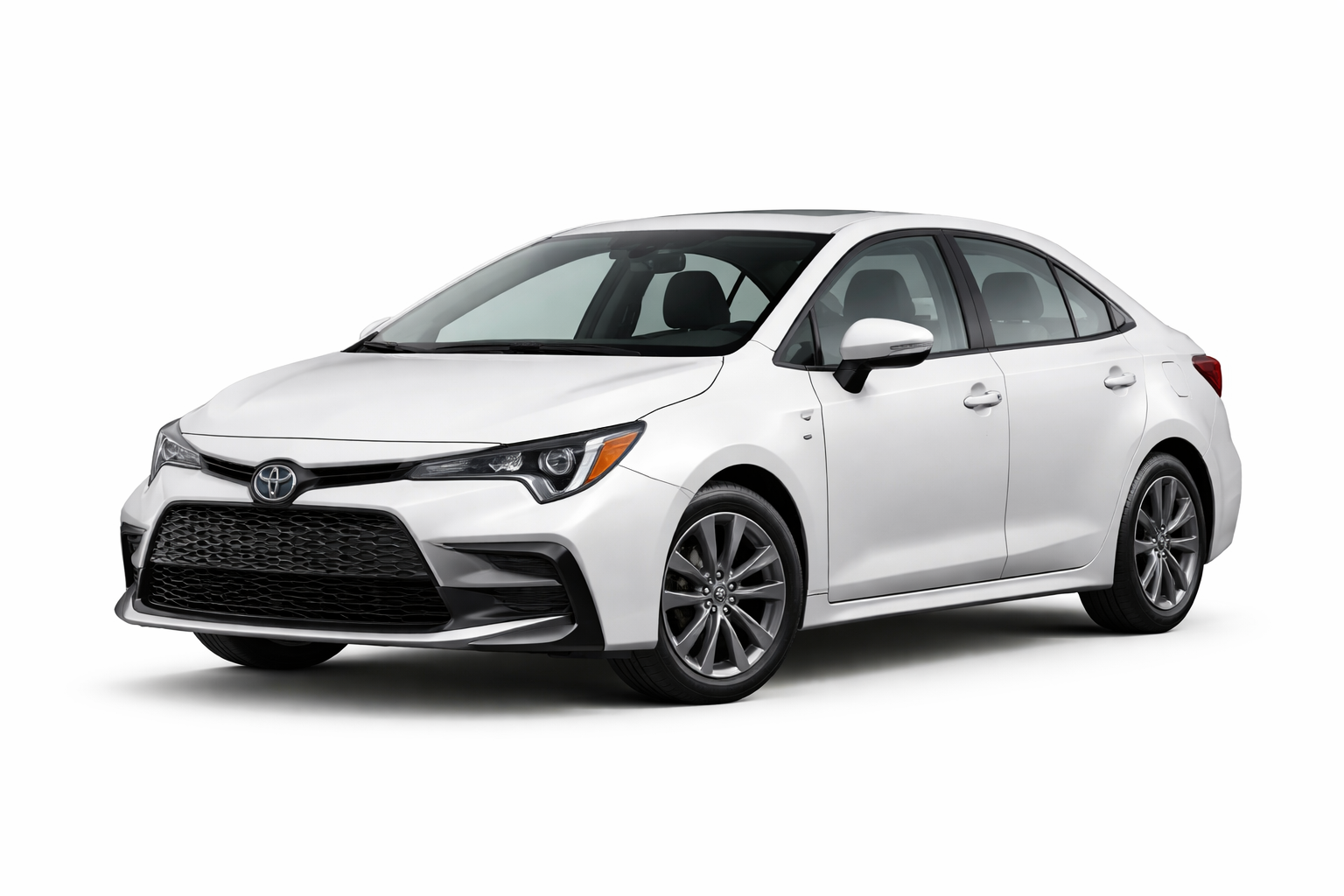
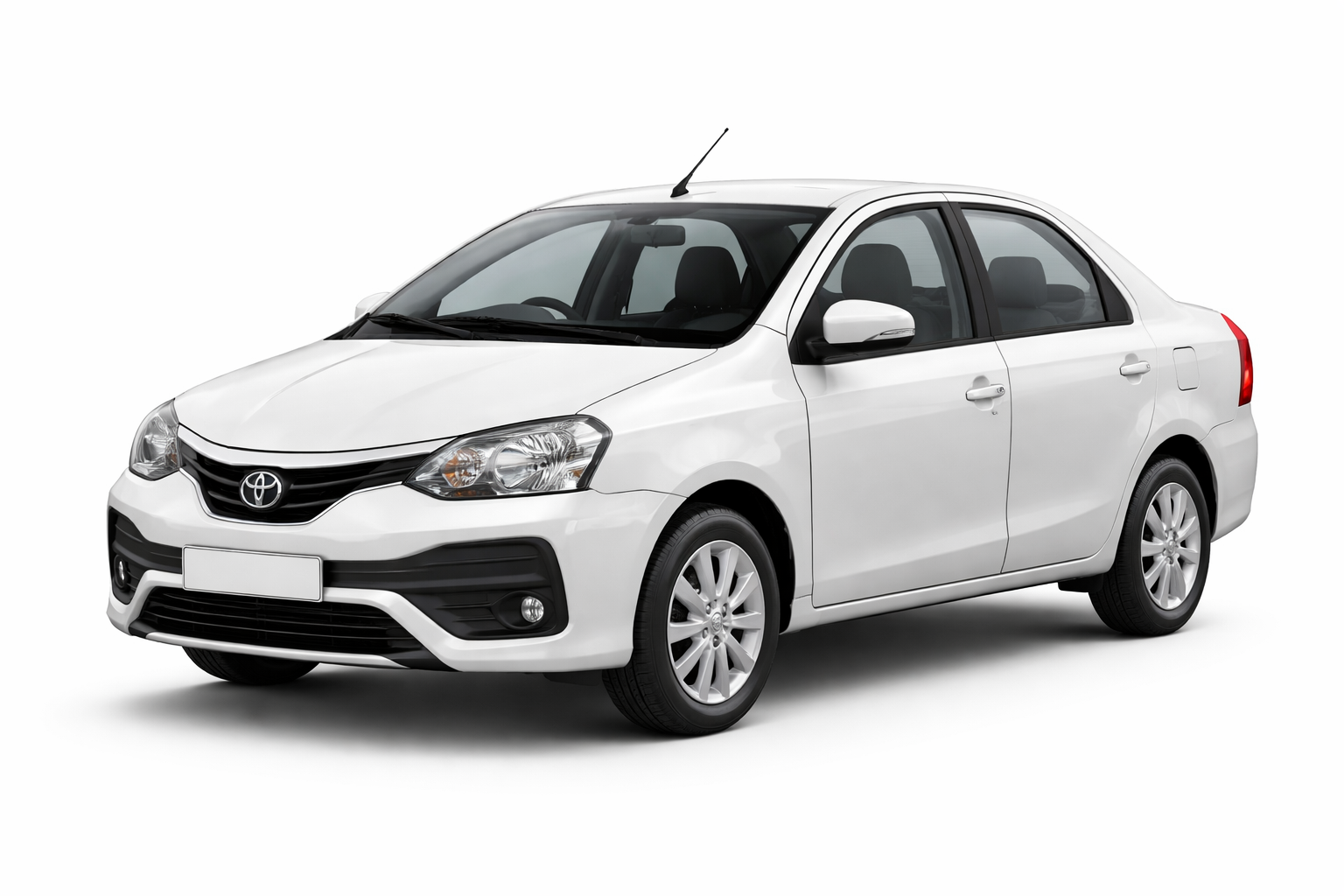
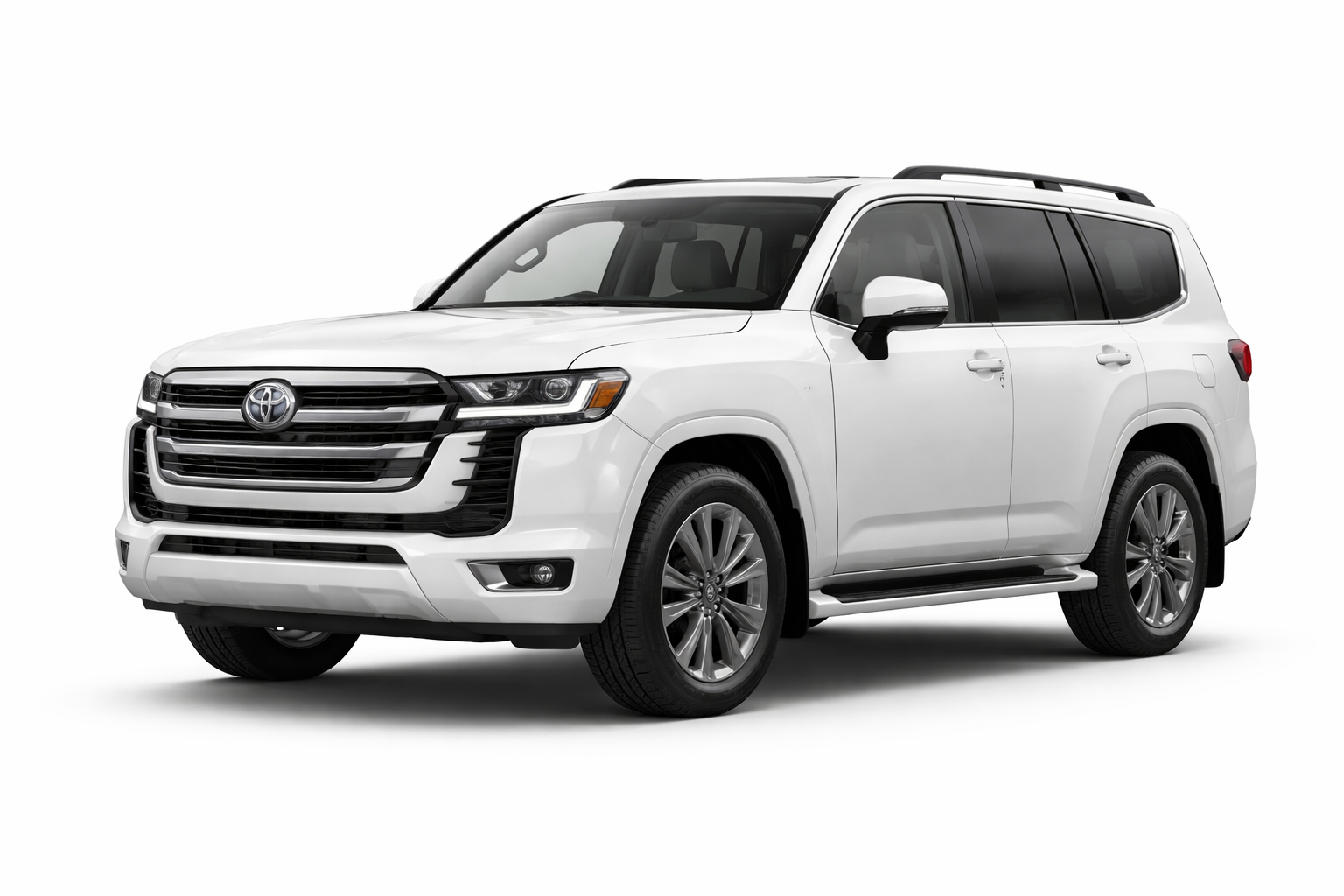
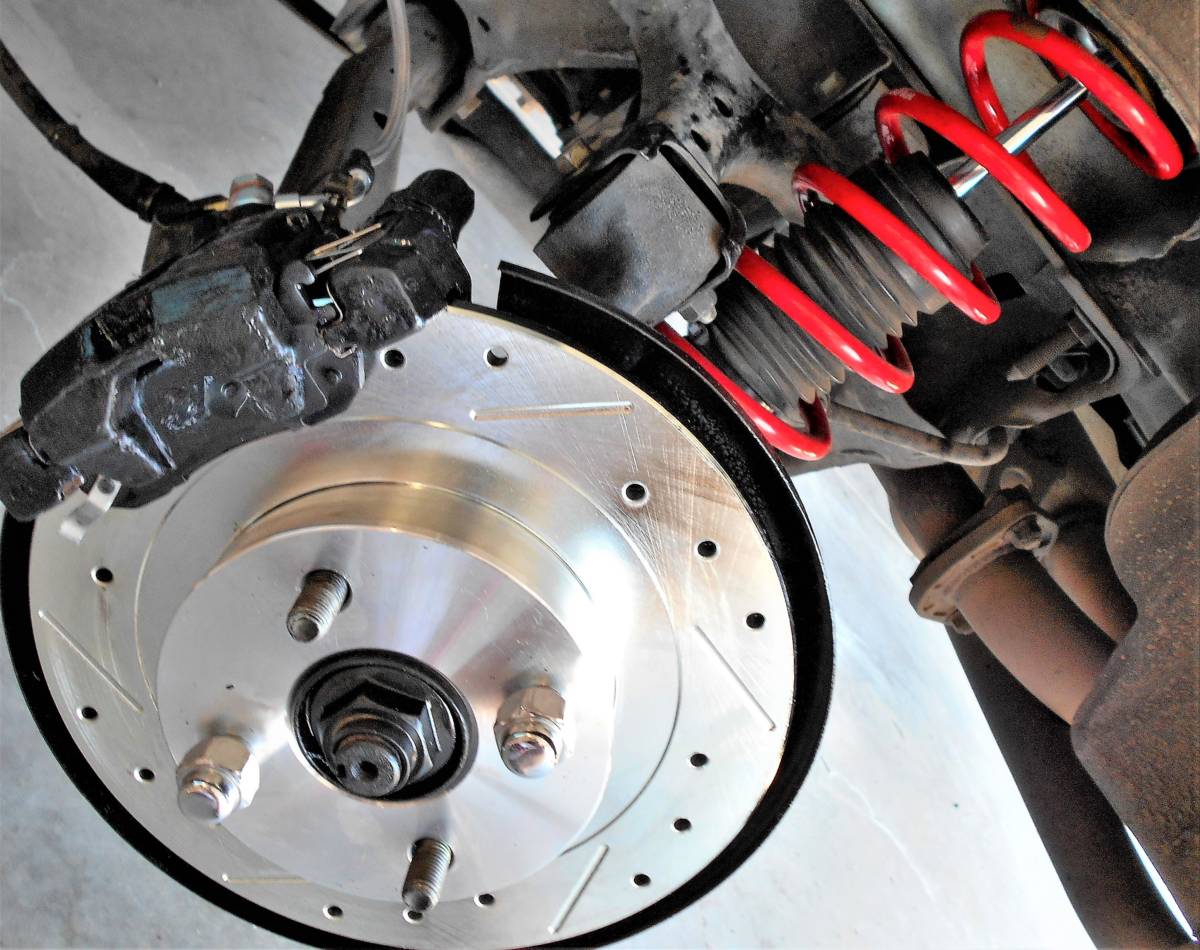

Brake drums work by pressing curved friction pads, called brake shoes, outward against the inside of a rotating metal cylinder (the drum) that is bolted to your wheel hub. When you push the brake pedal, hydraulic fluid rushes into a small wheel cylinder inside the drum assembly and forces two pistons apart, which push the brake shoes against the spinning drum surface. That friction is what slows and stops your vehicle. I have spent considerable time researching drum brake systems across international technical resources, and in this guide I will walk you through exactly how they function, which Toyota models rely on them, how to spot the warning signs of wear, and what replacement costs look like here in South Africa.
Key Takeaways
| Topic | Key Finding | Detail |
|---|---|---|
| How They Work | Hydraulic pressure pushes brake shoes outward against a rotating drum | Self-energizing design amplifies braking force |
| Toyota Models | Most Toyotas use rear drum brakes including Hilux, Quantum, Corolla, and Fortuner | Front wheels use disc brakes for stronger stopping power |
| Warning Signs | Grinding noises, vibrations, weak parking brake, and longer stopping distances | Don’t ignore any unusual brake behaviour |
| Replacement Cost | R1,500 - R4,500 per rear axle depending on model and parts quality | Brake shoes should always be replaced at the same time |
| Drums vs Discs | Drums are cheaper and last longer but handle heat and water less effectively | Modern vehicles combine both systems for best results |
| Maintenance Tips | Inspect every 20,000 km; adjust annually or every 15,000 km | Regular cleaning prevents premature wear |
How Drum Brakes Work
Understanding the mechanics of drum brakes helps you appreciate what is happening every time you step on the brake pedal. Despite being one of the oldest braking technologies still in widespread use, drum brakes remain effective and reliable when properly maintained.
The Core Components
A drum brake assembly consists of several key parts working together:
- Brake drum — A heavy cast-iron cylinder that bolts to the wheel hub and rotates with the wheel. The inner surface is machined smooth to provide a consistent friction surface.
- Brake shoes — Two curved metal plates lined with friction material. They sit inside the drum and are mounted on a backing plate.
- Wheel cylinder — A small hydraulic cylinder with two pistons that pushes the brake shoes outward when you press the brake pedal.
- Return springs — Strong springs that pull the brake shoes back to their resting position when you release the brake pedal.
- Hold-down springs — Smaller springs and pins that keep the brake shoes properly positioned on the backing plate.
- Self-adjuster mechanism — An automatic device that gradually extends to compensate for brake shoe wear, keeping the shoes close to the drum surface.
- Backing plate — A metal plate bolted to the axle housing that holds all the components in place.
Step-by-Step: What Happens When You Brake
- Pedal pressure — You press the brake pedal, which pushes a piston in the master cylinder.
- Hydraulic force — Brake fluid is forced through the brake lines under pressure toward each wheel.
- Wheel cylinder activation — The fluid enters the wheel cylinder inside the drum and pushes its two pistons apart.
- Shoe contact — The pistons push the brake shoes outward against the inner surface of the spinning drum.
- Friction and deceleration — The friction between the shoes and drum converts the wheel’s kinetic energy into heat, slowing the vehicle.
- Release — When you lift off the brake pedal, the return springs pull the shoes back to their resting position and the wheel spins freely again.
The Self-Energizing Effect
One of the most important characteristics of drum brakes is their self-energizing or self-servo ability. As the leading brake shoe makes contact with the rotating drum, the drum’s rotation actually pulls the shoe harder into the surface. This wedging action multiplies the braking force without requiring you to press the pedal any harder. It is the reason drum brakes can use a smaller wheel cylinder than disc brakes and still provide adequate stopping power. This self-energizing effect is also why drum brakes are particularly effective as parking brakes, providing strong holding force with relatively simple mechanical linkages.
Types of Drum Brake Arrangements
There are three main configurations: leading-trailing shoe (one shoe with the rotation, one against it — works equally well forward and reverse), twin-leading shoe (both shoes contact the drum simultaneously for stronger forward braking), and duo-servo (shoes are linked so the leading shoe pushes the trailing shoe outward, amplifying total braking force). Most Toyota passenger vehicles and bakkies use the leading-trailing shoe arrangement on the rear axle.
Which Toyota Models Use Drum Brakes
If you own a Toyota in South Africa, there is a very good chance your vehicle has drum brakes on the rear wheels. Toyota’s engineering philosophy favours drum brakes at the rear because the rear wheels handle less braking force (approximately 30-40% of total), and drums provide excellent durability and lower manufacturing costs for this application.
Here are the most common Toyota models in South Africa that use rear drum brakes:
| Toyota Model | Rear Brake Type | Drum Diameter | Notes |
|---|---|---|---|
| Hilux (all generations) | Drum | 295 mm | Most common bakkie on SA roads |
| Quantum / HiAce | Drum | 295 mm | Standard across all variants |
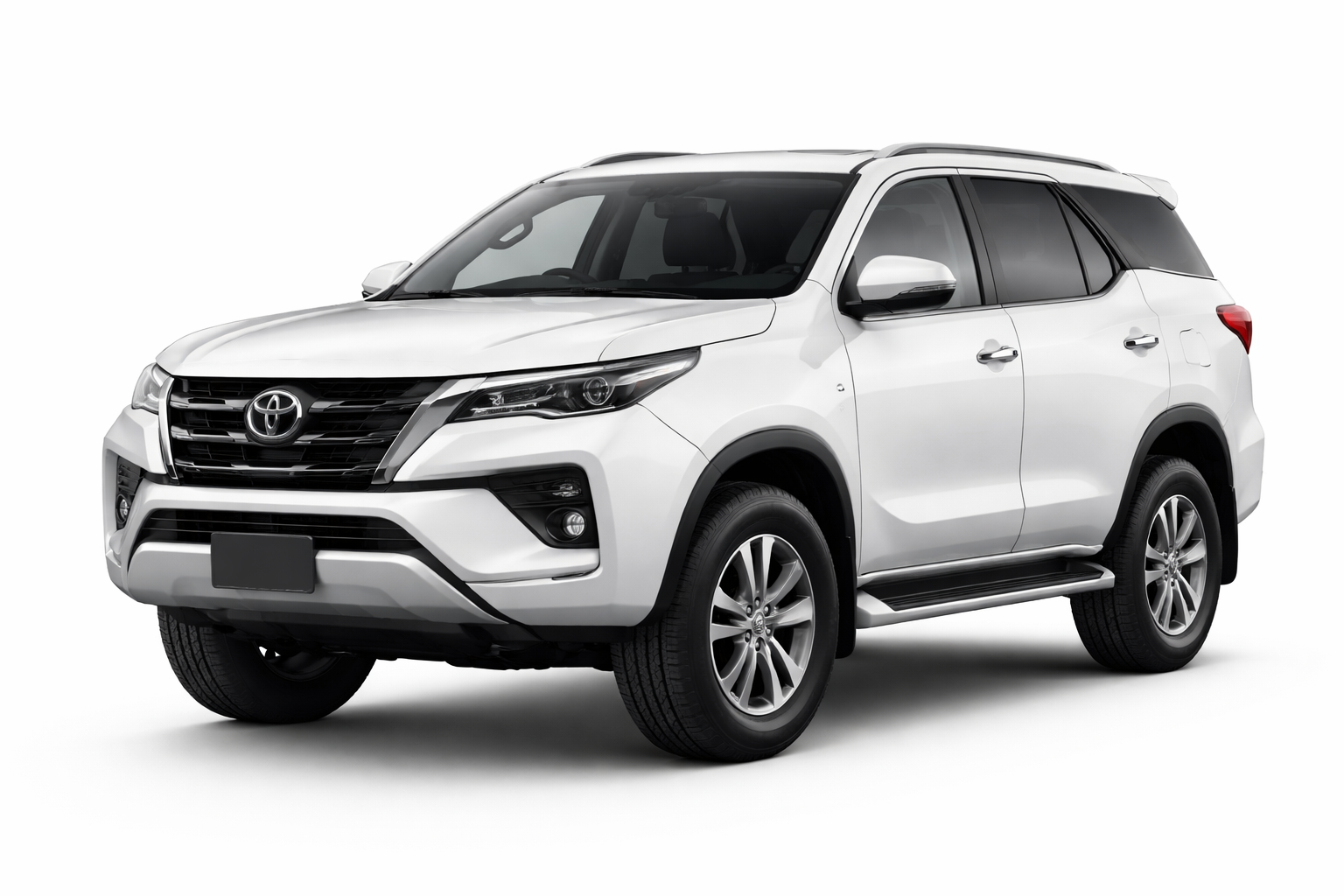
| Fortuner (base models) | Drum | 295 mm | Higher spec models may have rear discs |
| Corolla (older generations) | Drum | 228 mm | Post-2019 models moved to rear discs |
| Etios | Drum | 228 mm | All model years |
| Avanza | Drum | 228 mm | All model years |
| Yaris (older models) | Drum | 200 mm | Some newer variants use rear discs |
| Land Cruiser 70 Series | Drum | 320 mm | Heavy-duty drums for off-road use |
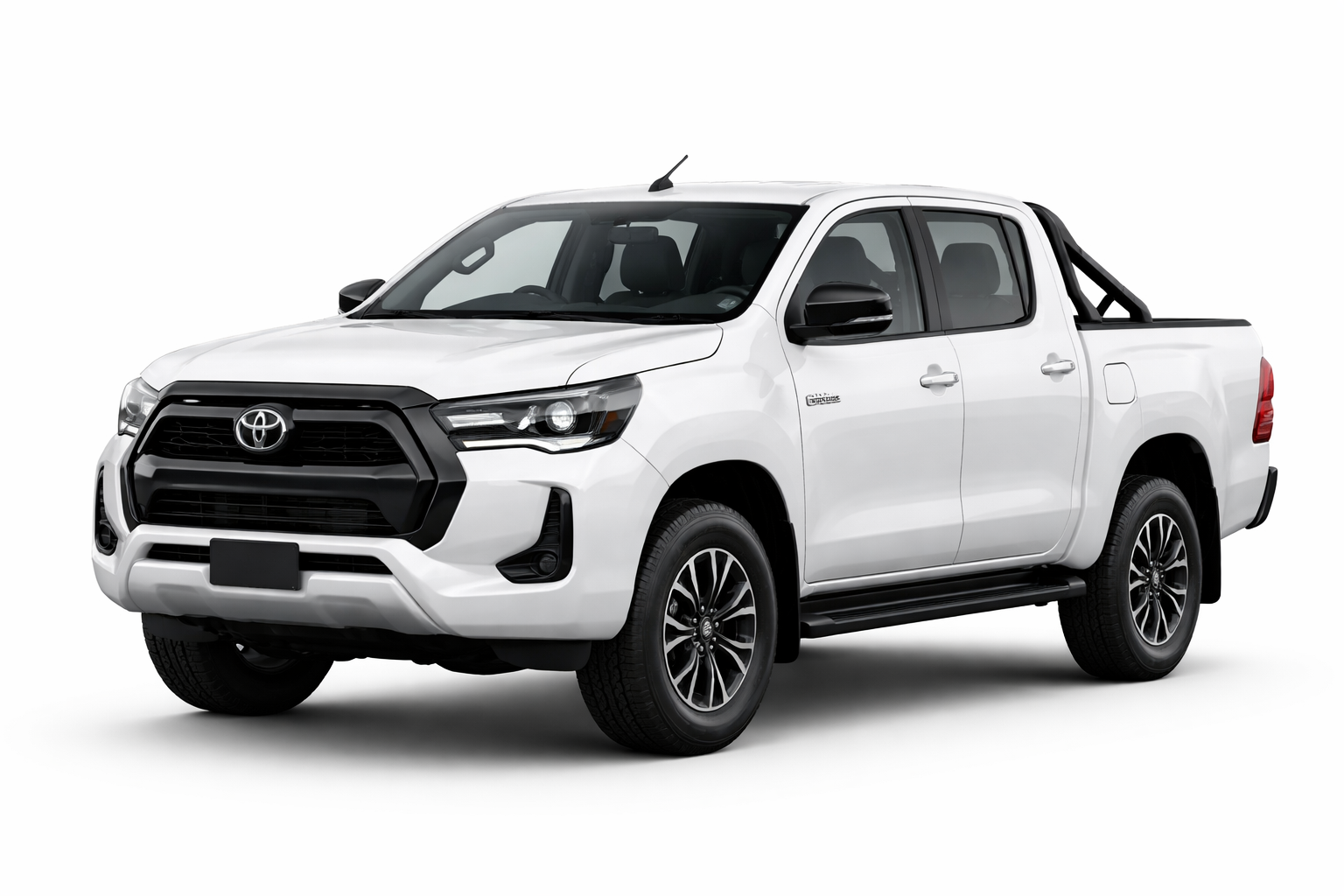
The Hilux is by far the most common vehicle I encounter with drum brake questions. Its rear drums take a beating, especially on bakkies used for hauling heavy loads or towing trailers. If you are looking for Hilux brake parts, quality matters — cheaper aftermarket shoes can wear out 30-40% faster than OEM-specification components.
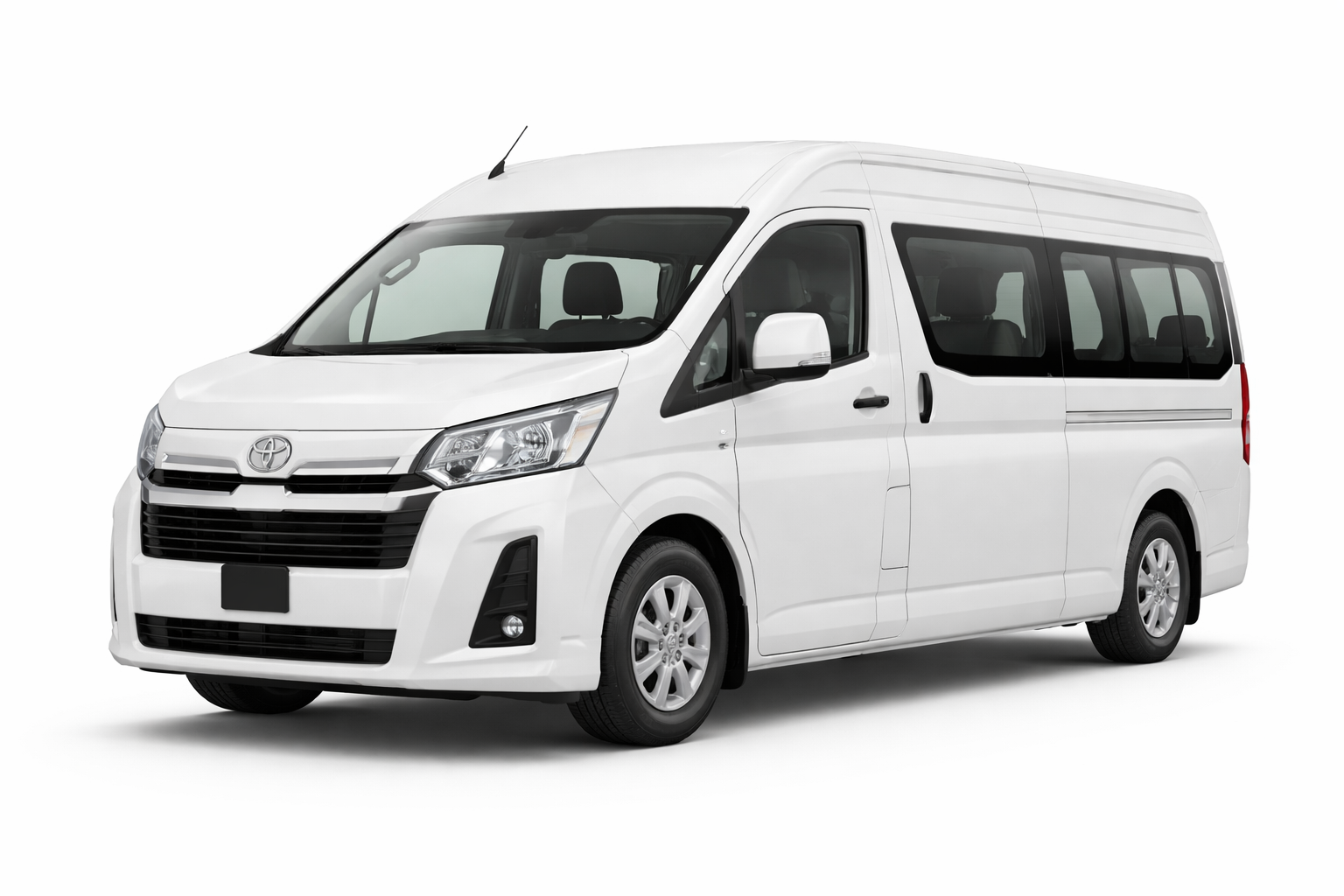
The Quantum is another model where rear drum maintenance is critical, especially for vehicles operating as taxis carrying full passenger loads daily. Check out our Quantum brake parts page if you need replacements.
Signs Your Brake Drums Need Replacement
Drum brakes give you clear warning signs when they are wearing out. I have compiled the most common symptoms based on data from RepairPal and YourMechanic, two of the largest international automotive repair databases.
1. Scraping or Grinding Noises
This is the most obvious and most urgent warning sign. When brake shoe friction material wears down to the metal backing plate, you will hear a harsh metallic scraping or grinding sound each time you brake. At this point the metal is scoring grooves directly into your brake drum surface, causing damage to both components simultaneously.
2. Vibration Through the Brake Pedal
Worn or warped brake drums cause pulsating or shuddering that you can feel through the brake pedal. This happens when the drum surface is no longer perfectly round, often caused by overheating or uneven wear. The vibration may also be felt through the steering wheel or the vehicle body.
3. Longer Stopping Distances
If your vehicle takes noticeably longer to come to a complete stop, your rear brake drums or shoes may be excessively worn. Reduced friction material means less surface area gripping the drum, which directly reduces braking effectiveness.
4. Weak or Loose Parking Brake
Because the parking brake mechanism operates through the drum brake shoes, a weak or ineffective parking brake is often one of the first signs that your rear drums need attention. If your vehicle rolls on inclines even with the parking brake engaged, inspect the drums and shoes immediately.
5. Vehicle Pulling to One Side
If one side’s drum brake is wearing faster than the other, your vehicle will pull toward the stronger braking side when you apply the brakes. This uneven braking is a safety hazard and should be addressed promptly.
When to Stop Driving Immediately
If you hear continuous grinding (not just when braking), feel severe vibration at any speed, or notice your brake pedal sinking to the floor, do not drive the vehicle. Have it towed to a workshop. Continuing to drive with severely worn drum brakes risks complete brake failure on the rear axle.
6. Visible Drum Damage
If you remove the drum for inspection and see deep grooves, scoring marks, heat discolouration (blue or dark patches), or cracks on the inner surface, the drum needs to be machined or replaced. Any crack in a brake drum means immediate replacement — cracked drums cannot be safely resurfaced.
Brake Drum Replacement Costs in South Africa
Replacement costs vary depending on your Toyota model, whether you use OEM or aftermarket parts, and your workshop’s labour rates. Here is what you can expect to pay in South Africa as of 2025:
Cost Breakdown by Model
| Toyota Model | Brake Shoes (pair) | Brake Drums (pair) | Labour | Total Per Axle |
|---|---|---|---|---|
| Hilux | R450 - R900 | R600 - R1,400 | R400 - R800 | R1,450 - R3,100 |
| Quantum | R500 - R1,000 | R700 - R1,500 | R450 - R850 | R1,650 - R3,350 |
| Fortuner | R450 - R900 | R650 - R1,400 | R400 - R800 | R1,500 - R3,100 |
| Corolla | R350 - R650 | R500 - R1,000 | R350 - R700 | R1,200 - R2,350 |
| Etios | R300 - R600 | R450 - R900 | R350 - R650 | R1,100 - R2,150 |
| Land Cruiser 70 | R600 - R1,200 | R900 - R1,800 | R500 - R900 | R2,000 - R3,900 |
Money-Saving Tip: Always Replace in Pairs
Never replace brake shoes or drums on only one side of the axle. Uneven friction material or drum thickness causes unbalanced braking, which makes the vehicle pull to one side and wears out the new components prematurely. Budget for both sides at once. Also, new brake shoes should always be installed when replacing a drum, and vice versa — this ensures proper bedding-in and even wear from day one.
OEM vs Aftermarket Parts
OEM (Toyota genuine) parts cost 40-60% more than aftermarket but offer guaranteed fitment and consistent friction material quality. For vehicles that carry heavy loads regularly, like the Hilux and Quantum, I recommend OEM or premium aftermarket brands.
Aftermarket parts from reputable manufacturers (Bosch, TRW, Ferodo) offer good value and reliable performance for daily driving. Avoid no-name brands — substandard friction material can glaze over quickly and dramatically reduce braking performance.
Used brake drums in good condition can save you 50-60% compared to new, provided the friction surface is within specification and has not been previously machined beyond minimum thickness. Browse our brake parts inventory for quality inspected options.
Drum Brakes vs Disc Brakes
Most modern Toyota vehicles use a combination of disc brakes on the front wheels and drum brakes on the rear. Understanding the differences helps explain why Toyota continues to use this mixed approach.
| Feature | Drum Brakes | Disc Brakes |
|---|---|---|
| Stopping power | Good for rear wheels (30-40% of braking load) | Superior, especially at high speeds |
| Heat dissipation | Poor — enclosed design traps heat | Excellent — exposed rotor sheds heat quickly |
| Wet performance | Water pools inside, reducing initial bite | Rotor design repels water effectively |
| Cost | Lower to manufacture and replace | 30-50% more expensive |
| Lifespan | Drums last 150,000-300,000 km; shoes last 50,000-80,000 km | Rotors last 80,000-120,000 km; pads last 40,000-70,000 km |
| Maintenance complexity | More components, more complex to service | Simpler design, easier inspection |
| Parking brake | Integrated mechanism, very effective | Requires separate mechanism or electronic system |
| Weight | Heavier than equivalent disc setup | Lighter overall |
| Brake fade resistance | Susceptible under heavy sustained use | Highly resistant due to superior cooling |
Why Toyota Still Uses Rear Drums
Toyota’s decision to use rear drums on models like the Hilux, Fortuner, and Quantum comes down to practical engineering:
- The rear wheels do less braking work — Under hard braking, weight transfers to the front wheels. The rear brakes handle only 30-40% of total stopping force, making drums perfectly adequate.
- Exceptional durability — Drum brakes last significantly longer than disc brakes in dusty and harsh conditions, which is exactly what South African roads deliver.
- Built-in parking brake — Drum brakes integrate the parking brake mechanism directly into the shoe assembly, eliminating the need for a separate component.
- Lower cost — Both for Toyota to manufacture and for you to maintain over the vehicle’s lifetime.
Considering a Drum-to-Disc Conversion?
Aftermarket drum-to-disc conversion kits are available for the Hilux and other models, typically costing R5,000-R12,000 installed. While they offer improved braking feel and heat management, they are generally only worthwhile for vehicles that tow heavy loads regularly or are used in motorsport. For normal driving conditions, Toyota’s factory drum brake setup is more than adequate and significantly cheaper to maintain.
Maintenance Tips for Toyota Drum Brakes
Proper maintenance extends the life of your drum brakes and keeps them performing safely. Based on my research across international automotive maintenance resources, here is a practical schedule and set of tips for Toyota owners.
Inspection Schedule
- Every 20,000 km or 12 months — Visual inspection of brake shoe thickness, drum condition, and wheel cylinder for leaks. Remove the drums and check the friction material.
- Every 40,000 km or 24 months — Full service including cleaning the assembly, lubricating contact points, checking and adjusting the self-adjuster mechanism, and replacing brake fluid.
- Every 80,000-120,000 km — Replace brake shoes (sooner if worn below minimum thickness). Inspect drums for scoring and measure for minimum thickness specification.
Practical Maintenance Tips
-
Clean the assembly regularly — Use brake cleaner spray (never compressed air) to remove accumulated brake dust from inside the drum. Brake dust contains harmful particles that should not be inhaled. Work in a ventilated area and wear a mask.
-
Check wheel cylinders for leaks — Look for any moisture or brake fluid weeping around the wheel cylinder boots. A leaking wheel cylinder contaminates the brake shoes with fluid, which destroys their friction properties and requires immediate replacement of both the cylinder and shoes.
-
Lubricate contact points — Apply a thin film of high-temperature brake grease to the raised pads on the backing plate where the brake shoes slide. This prevents squealing and ensures the shoes move freely. Never allow grease to contact the friction material or drum surface.
-
Adjust the parking brake — If your parking brake feels loose or requires excessive pulling, the rear drum brake self-adjusters may need attention. On most Toyotas, simply reversing the vehicle and applying the brakes firmly a few times can activate the self-adjusting mechanism.
-
Replace springs when replacing shoes — Return springs lose tension over time. Weak springs allow the shoes to drag on the drum, causing premature wear and overheating. Budget for a spring kit whenever you replace brake shoes.
-
Machine or replace scored drums — Light scoring on the drum surface is normal and can be removed by machining (skimming). However, each drum has a minimum thickness specification stamped on it. If machining would take the drum below that limit, replacement is the only safe option.
-
Bed in new brake shoes properly — After fitting new shoes, perform 20-30 gentle stops from 50 km/h to gradually transfer friction material to the drum surface. Avoid heavy braking for the first 200 km to allow proper bedding-in.
When to Call a Professional
While experienced DIY mechanics can handle drum brake maintenance, there are situations where professional workshop attention is advisable:
- Wheel cylinder replacement (requires bleeding the brake system)
- Drum machining (requires specialised lathe equipment)
- Any brake fault accompanied by ABS warning lights
- Persistent brake noise after shoe replacement (may indicate a bent backing plate or incorrect shoe fitment)
If you need replacement drum brake parts for your Toyota, browse our dedicated brake parts pages for the Hilux, Quantum, Fortuner, and Corolla. We stock quality inspected used and aftermarket components with nationwide delivery across South Africa.