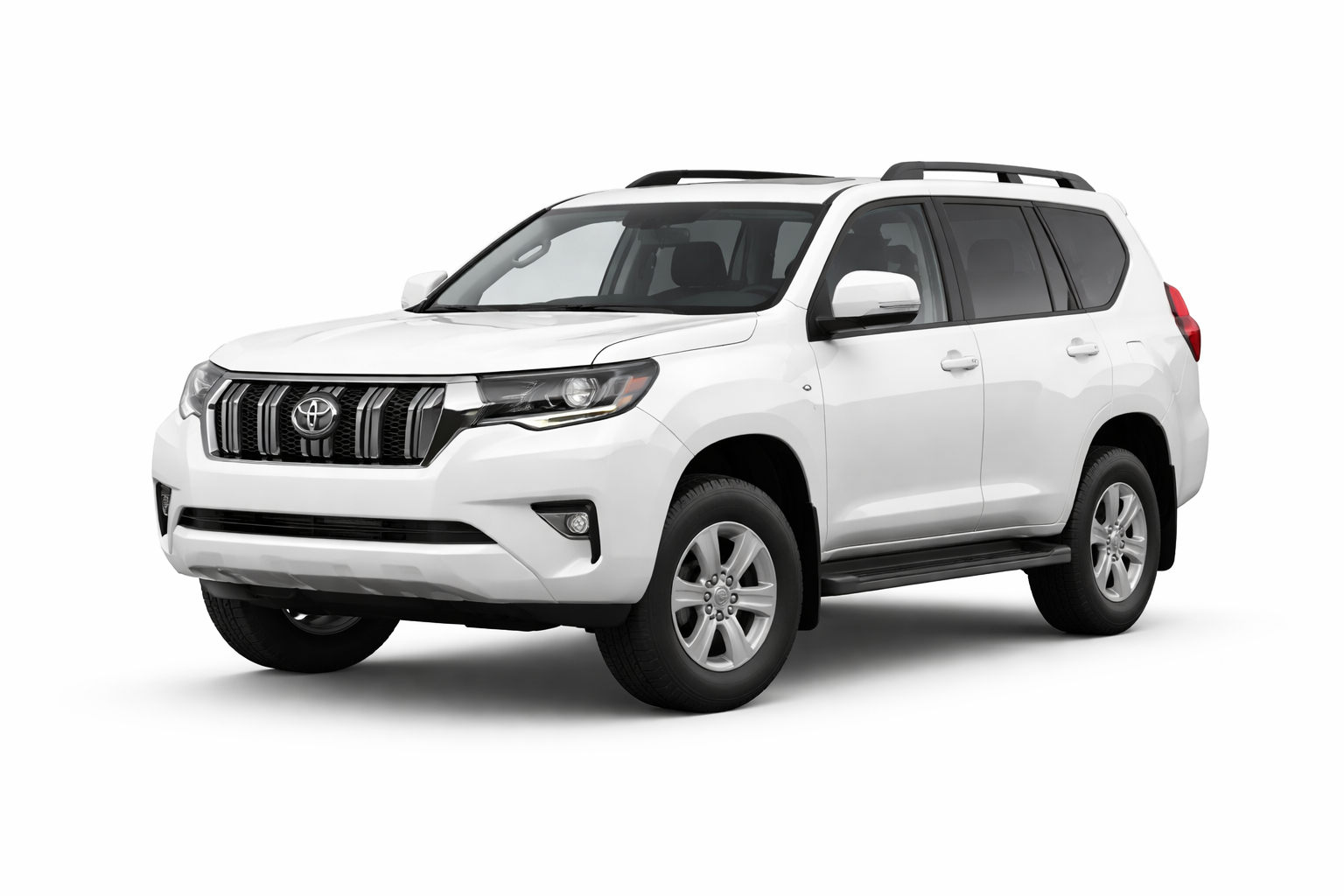
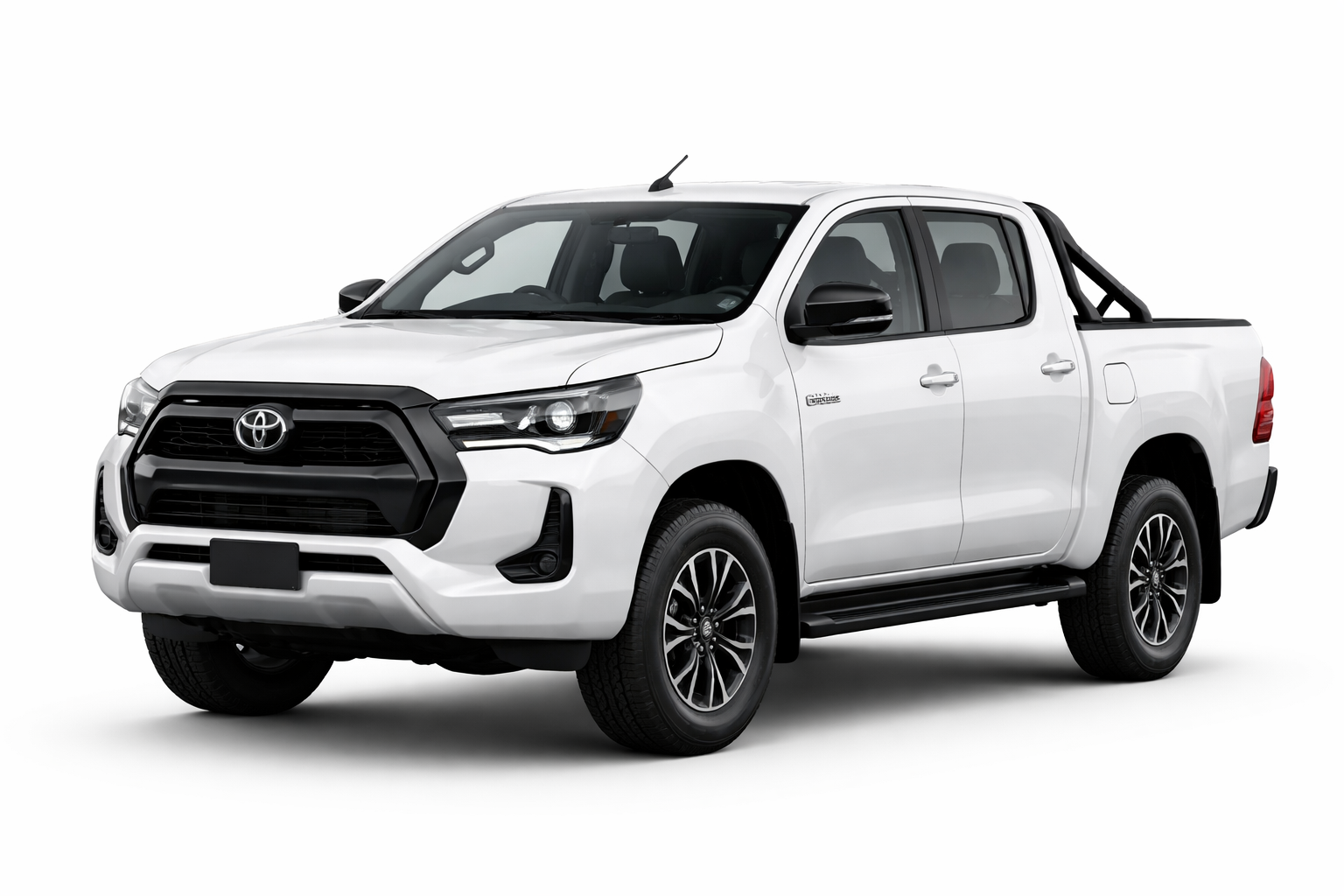
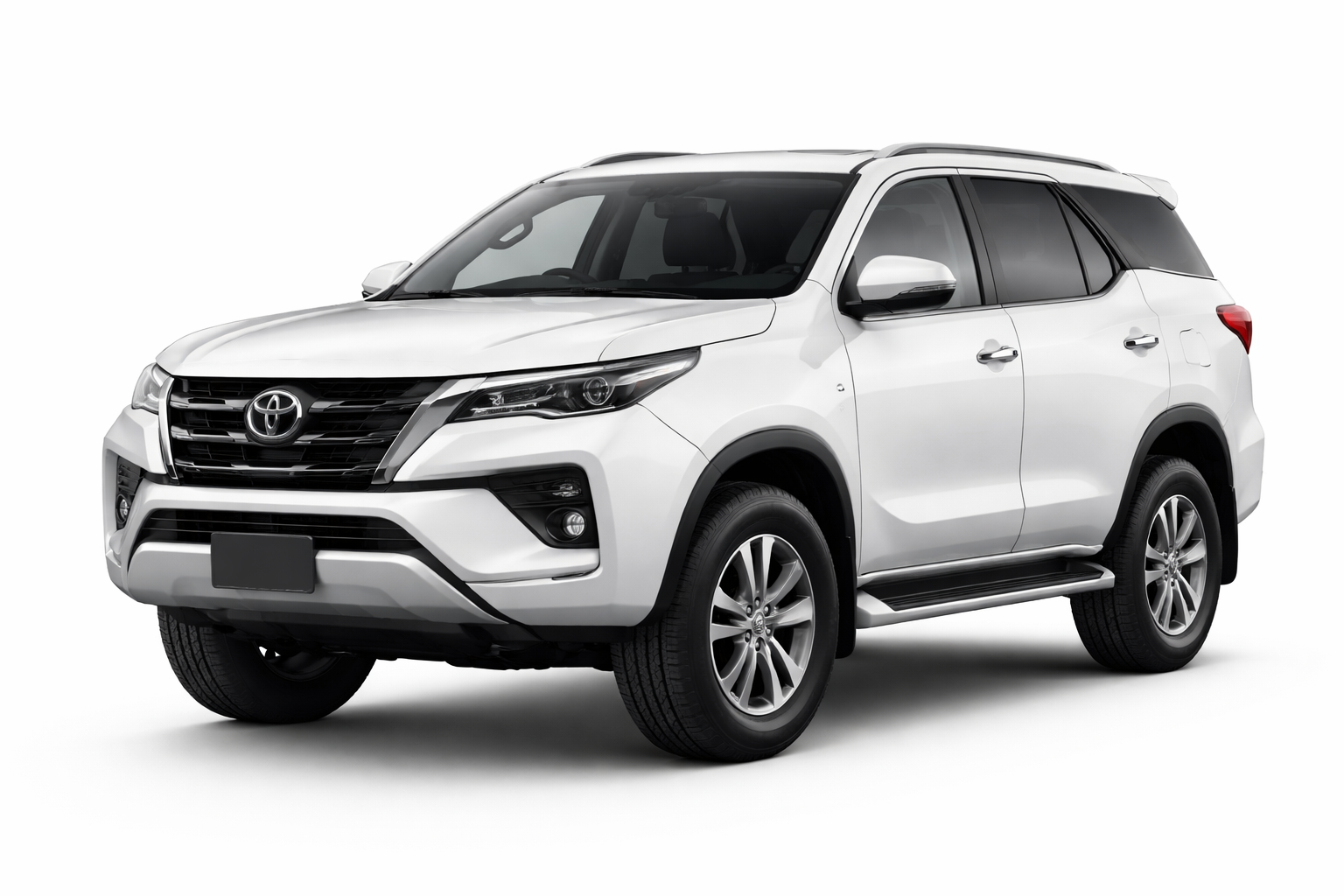
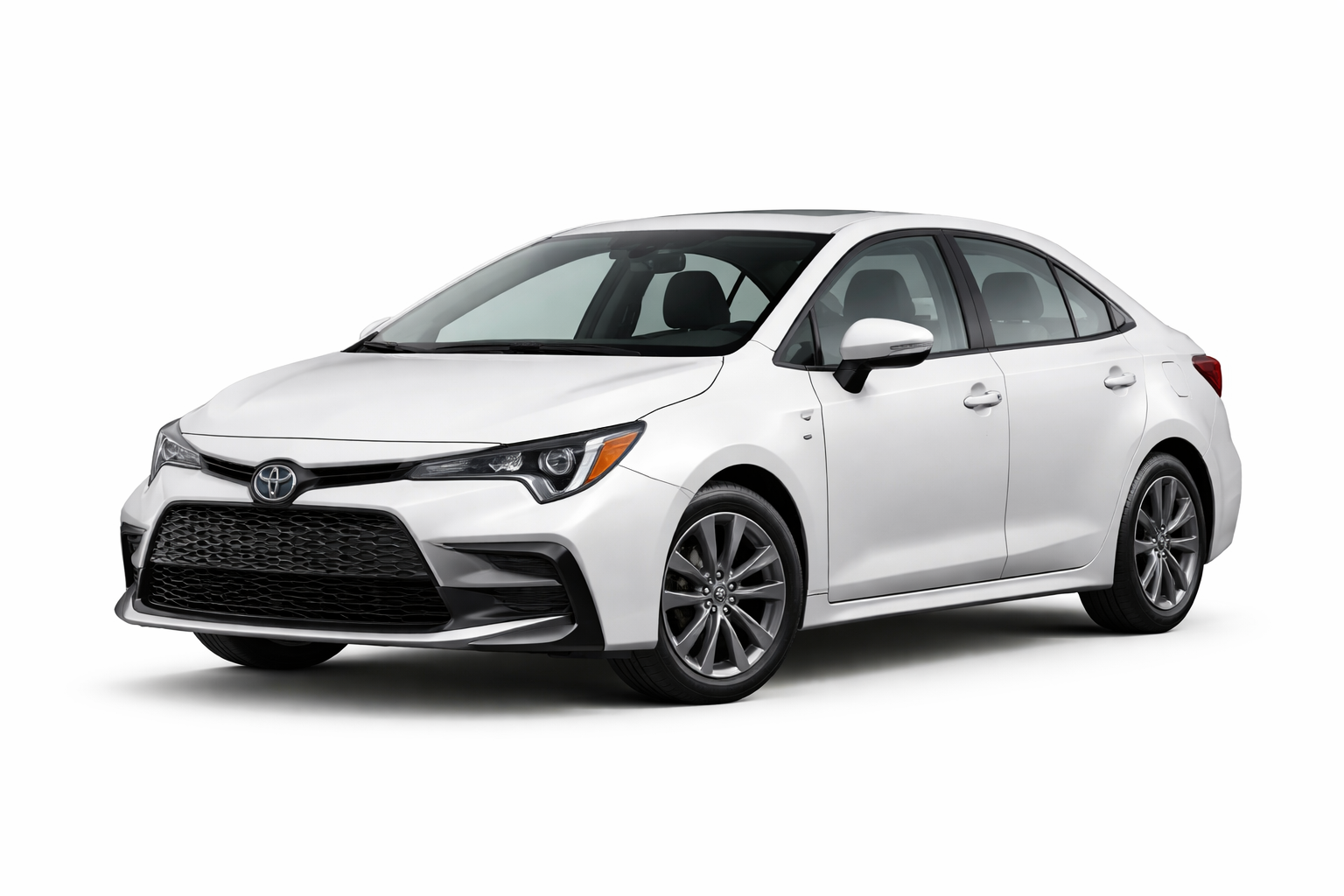
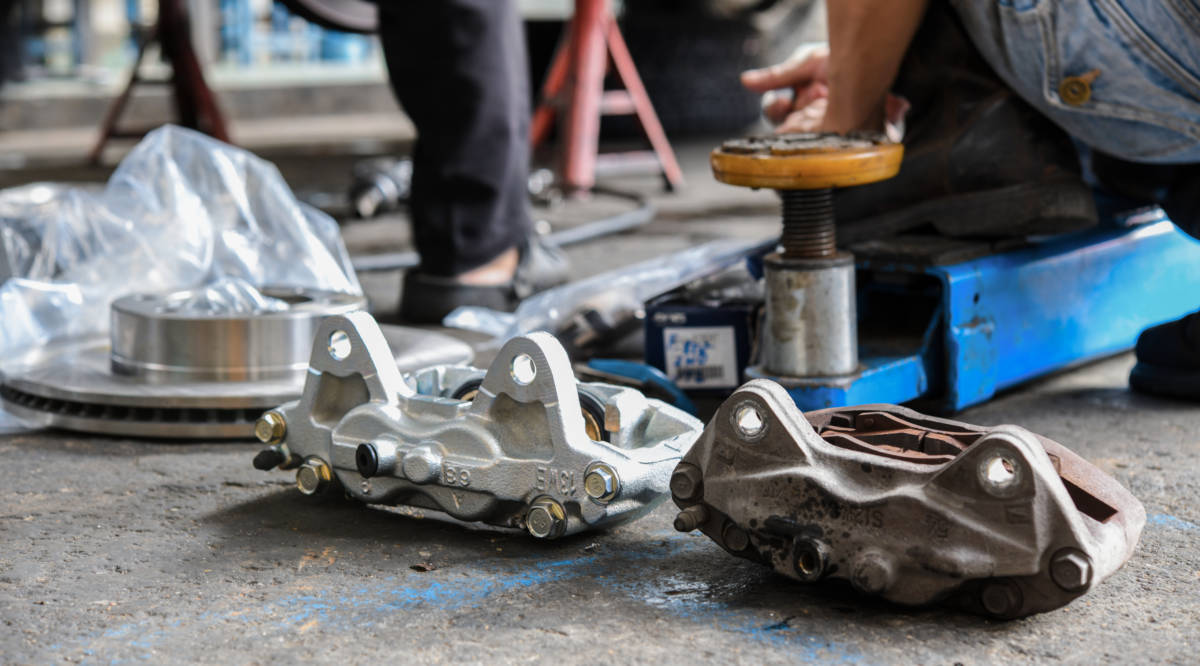

You should replace your brake calipers when they are seized, leaking brake fluid, or causing your vehicle to pull to one side under braking. I have spent considerable time researching caliper failure data, Toyota-specific workshop reports, and international reliability databases, and the consensus is clear: most brake calipers last between 120,000 km and 160,000 km before problems develop, though harsh conditions, infrequent fluid changes, and heavy-duty use can cut that lifespan dramatically. On Toyota trucks and SUVs like the Hilux, Fortuner, and Prado, seized caliper pistons and torn dust boots are the most frequently reported caliper-related failures, typically costing between R2,500 and R8,000 per caliper to replace in South Africa.
Key Takeaways
| Topic | Key Finding | Typical Cost (ZAR) |
|---|---|---|
| What Calipers Do | Convert hydraulic pressure into clamping force that stops your wheels | N/A |
| Fixed vs Floating | Most Toyotas use floating calipers; fixed types appear on performance models | N/A |
| Signs of Failure | Pulling, burning smell, uneven pad wear, fluid leaks, dragging | Inspection: R350-R600 |
| Toyota-Specific Issues | Hilux, Fortuner, Prado prone to seized pistons and slide pin corrosion | R2,500-R8,000 per caliper |
| Replacement Costs | Parts R1,200-R5,500, labour R800-R2,500 per side | R2,500-R8,000 installed |
| Driving With a Faulty Caliper | Reduces braking power by ~25%, risk of fire and total brake failure | N/A |
| DIY vs Professional | Professional recommended unless you have experience bleeding brake systems | DIY saves R800-R2,500 |
What Do Brake Calipers Do
The brake caliper is the component that physically stops your wheels from turning. When you press the brake pedal, hydraulic fluid forces one or more pistons outward inside the caliper. These pistons press the brake pads against the spinning brake disc (rotor), and the resulting friction slows you down. Think of it as a hydraulic clamp — a single front caliper on a Toyota Hilux can generate several tonnes of clamping force during emergency braking.
How It Fits Together
The braking system works as a chain: pedal, master cylinder, brake lines, caliper, pads, and rotor. If the caliper fails, the chain breaks at that wheel. Each wheel has its own caliper operating independently, so a single failure does not disable the entire system — but it will cause the vehicle to pull dangerously to one side.
Inside the caliper housing, a dust boot prevents road grime and water from reaching the cylinder bore, while the piston seal maintains hydraulic pressure and retracts the piston when you release the pedal. When either of these rubber components deteriorates, caliper failure follows.
Fixed vs Floating Calipers
There are two main caliper types, and the distinction matters because each fails differently and carries different replacement costs.
Floating calipers (also called sliding calipers) have pistons on only one side. Hydraulic pressure pushes the piston against the inner pad, and the caliper body slides on guide pins to press the outer pad against the disc. Most Toyota models use this design, including the Hilux, Fortuner, Corolla, and RAV4. The weak point is the slide pins — when grease dries out or corrosion builds up, the caliper seizes.
Fixed calipers are bolted rigidly in place with pistons on both sides of the disc. They deliver more consistent clamping force and handle heat better, which is why you find them on some Land Cruiser models and performance upgrades.
Fixed calipers are more durable long-term but parts alone run R4,000-R12,000 per unit for multi-piston designs. Floating calipers are far more affordable at R1,200-R3,500 per unit. On nearly every standard-specification Hilux, Fortuner, Corolla, and Prado sold in South Africa, you have floating calipers.
Signs Your Brake Caliper Needs Replacement
Caliper failure rarely happens without warning. Catching these symptoms early is the difference between a R2,500 caliper swap and a R15,000 brake overhaul that includes warped discs and destroyed pads.
1. Vehicle Pulls to One Side Under Braking
This is the most commonly reported symptom. A caliper seized in the applied position pulls the vehicle toward the stuck side; one seized in the released position pulls the vehicle away from it. Either way, you will feel it through the steering wheel.
2. Burning Smell From One Wheel
A seized caliper that keeps the pad pressed against the disc generates extreme heat. You will smell an acrid burning odour and may see smoke from the affected wheel. After driving, carefully feel the air near each wheel — if one side radiates significantly more heat, that caliper is your problem.
Stop Driving Immediately If You See Smoke
A smoking brake caliper means the pad material is being destroyed and the brake fluid may be boiling. At that point, you could experience total brake failure at that wheel. Pull over safely and have the vehicle towed to a workshop.
3. Uneven Brake Pad Wear
When you replace brake pads, compare the inner and outer pad thickness. On a floating caliper, if the inner pad is significantly more worn than the outer, the slide pins are likely seized. If both pads on one side are worn far more than the other side, the caliper piston is sticking in the applied position.
4. Brake Fluid Leak at the Caliper
Visible brake fluid (a clear, slightly oily liquid) around the caliper body or on the inner wheel rim means the piston seal has failed. This is a critical safety issue because it reduces hydraulic pressure to that caliper and, over time, can lower the fluid level in the master cylinder enough to trigger the brake warning light.
5. Dragging or Reduced Fuel Economy
If the piston does not fully retract, the pad maintains light contact with the disc. The vehicle feels sluggish and fuel economy drops noticeably. Over time, this constant friction overheats and warps the disc.
6. Spongy Brake Pedal
A leaking caliper seal allows air into the hydraulic system. Air is compressible while brake fluid is not, resulting in a soft, spongy pedal. If repeated bleeding does not resolve the sponginess, suspect a leaking caliper.
Toyota Models Prone to Caliper Issues
Certain Toyota models appear in caliper-related discussions far more often than others across international forums and workshop databases.
Toyota Hilux (GD-6 and Earlier)
The Hilux is the most discussed Toyota for caliper problems. These vehicles are used in demanding conditions — construction sites, farms, gravel roads, and coastal areas where salt accelerates corrosion.
Common issues on the Hilux:
- Seized front caliper pistons caused by torn dust boots allowing dirt and moisture ingress
- Corroded slide pins from dried-out grease, particularly on vehicles serviced at extended intervals
- Rear caliper drag on models with rear disc brakes, where infrequent use of the parking brake allows the mechanism to seize
Forum reports on NewHilux.net consistently identify the lower inner piston as the first to seize, typically caused by a compromised dust boot allowing dust and water to corrode the piston surface.
Prevention Tip for Hilux Owners
Flush your brake fluid every two years, regardless of mileage. Old brake fluid absorbs moisture, which causes internal caliper corrosion long before you see any external rust. This single maintenance step prevents the majority of caliper seizures. If you need Hilux brake parts, always replace dust boots and seals at the same time as pads.
Toyota Fortuner
The Fortuner shares its platform and many brake components with the Hilux, inheriting the same vulnerabilities. The main issue specific to the Fortuner is rear caliper seizure on vehicles that sit idle for extended periods or serve primarily as urban family transport. If you are sourcing Fortuner brake components, check whether your model uses the same caliper as the equivalent Hilux generation — parts interchangeability can save significant money.
Toyota Prado and Land Cruiser
The Prado and Land Cruiser have larger, more robust calipers rated for greater loads. However, many owners use these vehicles predominantly in urban traffic, meaning brakes generate less heat and moisture accumulates rather than being baked off. Prado owners on PradoPoint.com.au report caliper piston corrosion as a recurring issue on vehicles older than eight years.
Shared Components Across Models
The 150 Series Prado shares brake rotor dimensions with certain Hilux models, and this commonality extends to some caliper components. Always confirm the exact part number with your supplier when shopping for Prado brakes.
Toyota Corolla and Camry
Passenger Toyotas like the Corolla and Camry are far less prone to caliper issues. Their lighter weight and sealed-road use mean calipers routinely last the life of the vehicle. Failures typically stem from age-related seal degradation past 200,000 km or neglected brake fluid.
Replacement Costs in South Africa
Here is what brake caliper replacement costs on popular Toyota models in South Africa. All figures are in ZAR and reflect 2025 pricing.
Toyota Brake Caliper Replacement Costs (ZAR)
| Model | Part Cost (Per Caliper) | Labour Cost (Per Side) | Total Installed |
|---|---|---|---|
| Hilux (GD-6) | R1,500 - R3,500 | R800 - R1,500 | R2,300 - R5,000 |
| Fortuner | R1,800 - R4,000 | R800 - R1,500 | R2,600 - R5,500 |
| Prado (150 Series) | R2,500 - R5,500 | R1,000 - R2,000 | R3,500 - R7,500 |
| Land Cruiser 200 | R3,500 - R6,500 | R1,200 - R2,500 | R4,700 - R9,000 |
| Corolla | R1,200 - R2,500 | R600 - R1,200 | R1,800 - R3,700 |
What Affects the Price
OEM vs Aftermarket: Genuine Toyota calipers cost 40-60% more than quality aftermarket alternatives. For heavy-duty or off-road use, OEM is worth the premium. For daily drivers, reputable aftermarket brands offer excellent value.
New vs Remanufactured: Remanufactured calipers come with new seals, pistons, and hardware at 30-50% less than new units. This is where the real savings are for Toyota bakkie owners.
Front vs Rear: Front calipers are larger and handle ~70% of braking force, making them more expensive. Rear calipers are cheaper but can be more complex on models with integrated parking brake mechanisms.
Always Replace in Pairs
Most workshops and manufacturers recommend replacing calipers in axle pairs (both fronts or both rears) even if only one has failed. A new caliper paired with an old one can create uneven braking force, and the older caliper is likely close to failing anyway. Budget accordingly.
Additional Costs to Consider
Budget for related components: new brake pads (R350-R1,200 per axle set), brake fluid flush (R250-R500), new brake hoses if cracked (R300-R800 each), and disc machining or replacement if warped (R400-R1,500 per disc). A complete brake overhaul on one axle of a Hilux or Fortuner typically runs R5,000-R12,000.
Can You Drive With a Faulty Caliper
The short answer is no. Do not drive with a confirmed faulty brake caliper.
A seized or leaking caliper is not a “monitor and wait” situation. It is an active safety hazard that worsens with every kilometre driven. Here is exactly what can go wrong.
Reduced Braking Power and Vehicle Control
A single seized caliper reduces braking effectiveness by approximately 25%, which translates to metres of additional stopping distance at highway speeds. It also causes the vehicle to pull sharply to one side. On wet roads or the gravel surfaces common across South Africa, this can trigger a skid or total loss of directional control — particularly dangerous for Hilux and Fortuner owners on mixed surfaces.
Heat-Related Damage Cascade
A stuck caliper generates extreme, sustained heat that does not stay localised. It transfers through the disc to the wheel bearing, through the fluid to the hoses, and outward to the tyre sidewall. Consequences include brake fluid boiling (total brake failure at that wheel), wheel bearing destruction, tyre blowouts, and in severe cases, brake fires.
A stuck caliper can heat a brake disc to over 600 degrees Celsius. Normal heavy-braking temperature is 200-300 degrees. At 600 degrees, the disc warps permanently, brake fluid boils, and surrounding rubber components degrade. On 4WD models like the Hilux and Land Cruiser, the constant drag also stresses the transmission, transfer case, and differential.
If you suspect a caliper problem, have the vehicle inspected immediately. If you must drive to a workshop, keep speeds low and avoid heavy braking. If you see smoke or smell burning, stop and arrange a tow.
DIY vs Professional Replacement
Caliper replacement is mechanically straightforward, but the stakes are high. On a Hilux or Fortuner, an experienced home mechanic can complete the job in 1-2 hours per side.
When DIY Makes Sense
Consider DIY if you have experience with basic brake jobs, own a torque wrench and jack stands, and are comfortable bleeding brake systems.
Critical DIY Steps
- Never let the brake hose hang unsupported. Clamp the hose and support the caliper with wire.
- Torque all bolts to specification — over-tightening can crack the mounting bracket.
- Use new copper washers on banjo bolt fittings every time. Reusing old washers is the number one cause of post-repair fluid leaks.
- Bleed the entire system after replacing a caliper, not just the affected corner.
When to Use a Professional
I recommend professional replacement if you have never bled brakes before, if the brake hose is also damaged, if the vehicle has ABS or electronic stability control (which adds complexity to bleeding), or if you have any doubt at all. A R1,500 labour charge is cheap insurance against a braking system that does not work correctly.
Rebuild vs Replace
Most mechanics no longer bother rebuilding calipers. According to Counterman Magazine, remanufactured assemblies often cost less than buying individual rebuild kit components, and the labour time for a full rebuild rarely justifies the savings. Rebuilding only makes sense for rare or discontinued calipers where replacements are unavailable.
DIY vs Professional Cost Comparison (Per Caliper, Hilux GD-6)
| Cost Element | DIY | Professional |
|---|---|---|
| Caliper (remanufactured) | R1,500 - R2,500 | R1,500 - R2,500 |
| Brake fluid | R150 - R250 | Included |
| Copper washers & hardware | R50 - R100 | Included |
| Labour | R0 (your time) | R800 - R1,500 |
| Total | R1,700 - R2,850 | R2,300 - R4,000 |
Finding Quality Replacement Calipers
Avoid the cheapest unbranded units. Look for calipers from established manufacturers with at least a 12-month warranty. For Hilux brake parts, Fortuner brake components, and Prado brakes, used OEM calipers from low-mileage vehicles offer an excellent balance of quality and value. Always provide your vehicle’s full model code and year when sourcing parts, as Toyota used different caliper specifications across generations.
Need brake calipers or other brake components for your Toyota? Browse our range of quality used Hilux parts, Fortuner parts, Prado parts, and Land Cruiser parts sourced from verified South African suppliers.