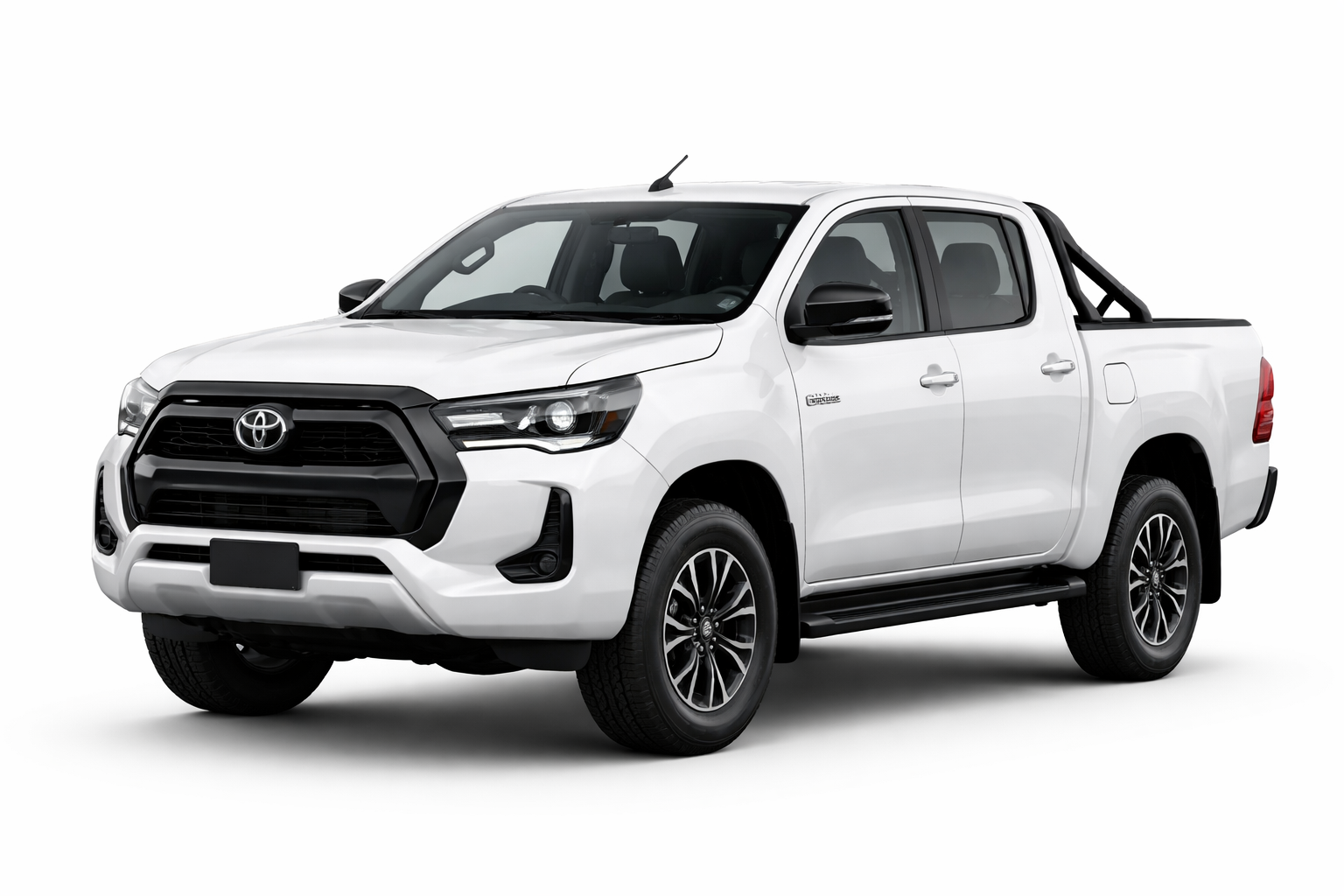

The Toyota Hilux GD-6’s most common failure point is the diesel particulate filter (DPF) system, with blockage issues appearing in vehicles predominantly used for short urban trips. I’ve spent weeks researching owner reports, workshop data, and international reliability databases, and the pattern is consistent: fuel system, turbo, and emissions-related problems account for roughly 70% of non-routine Hilux maintenance. The good news? Most of these issues are preventable, and the Hilux remains one of the most reliable pickups ever built — with over 18 million units sold worldwide and engines that routinely exceed 300,000 km.
Key Takeaways
| Problem | Key Finding | Typical Cost (ZAR) |
|---|---|---|
| DPF Blockage | Most common serious issue on GD-6 models, especially city-driven vehicles | R2,000 - R40,000 |
| Fuel Injector Problems | Seal failures and clogging, particularly with poor diesel quality | R8,500 - R14,000 |
| Turbo Actuator Failure | Variable vane stepper motor fails, limits engine to ~1,500 RPM | R6,000 - R35,000 |
| EGR Valve Clogging | Carbon buildup restricts airflow, worsened by dusty conditions | R3,000 - R8,000 |
| Clutch & Dual-Mass Flywheel | DMF failure is the expensive one — R15,000-R28,000 combined | R9,000 - R28,000 |
| Suspension Wear | Shock absorbers and coil springs fail early under heavy loads | R2,500 - R8,000 |
| 4WD Electronic Failure | Earth connection corrodes, requires gearbox removal to access | R5,000 - R12,000 |
DPF Blockage
This is the number one issue I see discussed across every Hilux owner community internationally. The DPF (diesel particulate filter) on the 2.8L 1GD-FTV engine requires sustained high exhaust temperatures to regenerate — essentially burning off accumulated soot. The problem? If you’re mostly driving around town in stop-start traffic, the exhaust never gets hot enough to trigger a regeneration cycle.
Symptoms to Watch For
- DPF warning light on the dashboard
- White smoke from the exhaust
- Limp-home mode activation (reduced power)
- Noticeably higher fuel consumption
- Rough idle or engine hesitation
Warning: Don’t Ignore the DPF Light
Driving with a blocked DPF can cause back-pressure damage to the turbo and engine internals. What starts as a R2,000 clean can become a R40,000 replacement if left unchecked.
What It Costs
| Service | Cost (ZAR) |
|---|---|
| DPF fault code clearing/reset | R2,000 |
| Professional DPF cleaning | R2,000 - R5,000 |
| Full DPF unit replacement | R25,000 - R40,000 |
Prevention
I always tell Hilux owners: take your bakkie for a 20-minute highway run at least once a week. Sustained speeds of 80-100 km/h in a lower gear keep exhaust temps high enough for passive regeneration. This single habit can save you tens of thousands in DPF repairs.
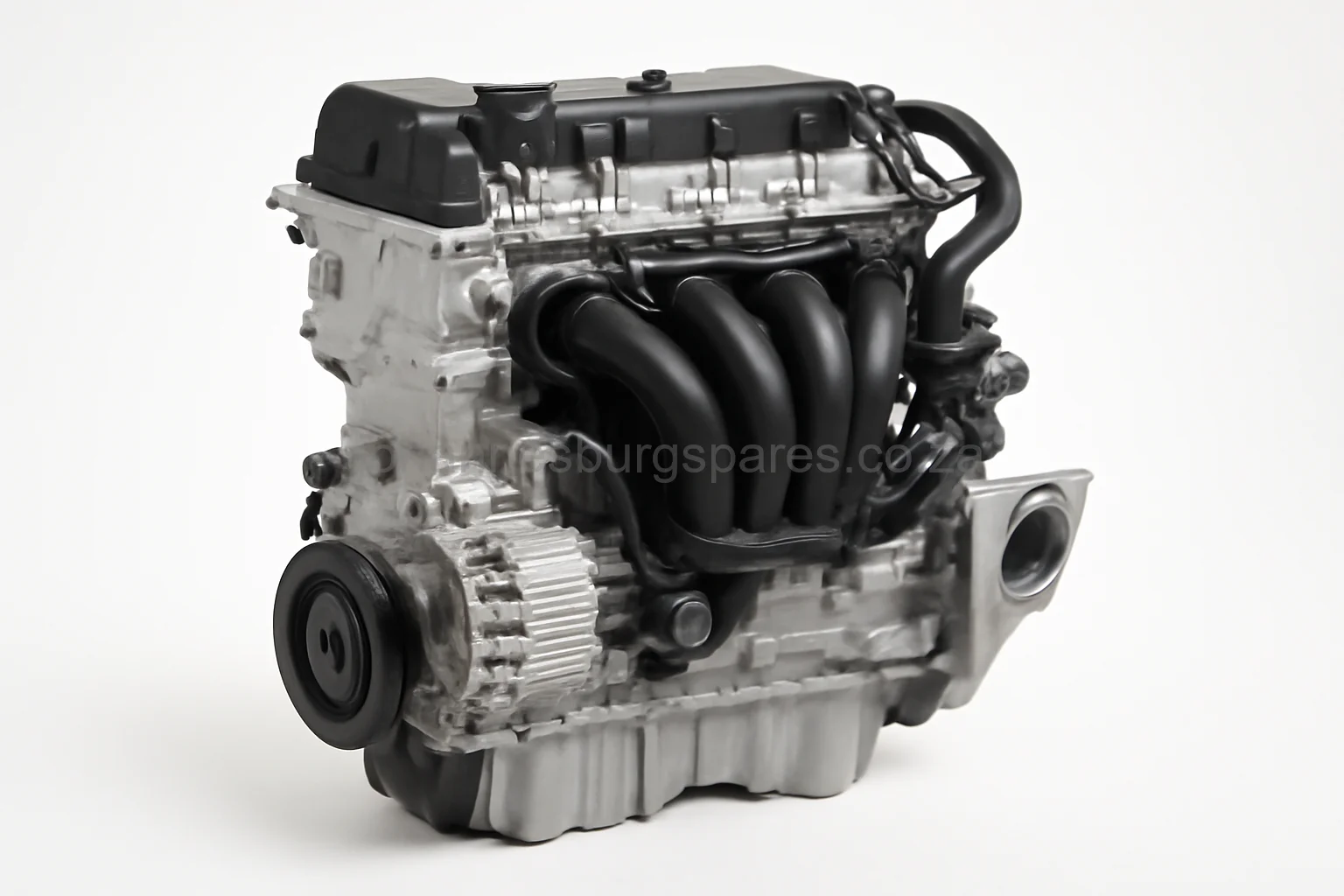
If you’re shopping for Hilux engine parts, it’s worth checking whether your DPF sensor is reading correctly — a faulty sensor can prevent regeneration even when conditions are right.
Fuel Injector Problems
The 2GD-FTV (2.4L) engine is particularly susceptible to injector problems, though the 2.8L isn’t immune. In my research, I found that fuel injector clogging and seal deterioration rank as the second most common issue across all Hilux GD-6 models.
The Root Cause
South African diesel quality varies significantly between suppliers. Water contamination and particulates in fuel accelerate injector wear. The older 3.0L D4D (1KD-FTV) engine was notorious for injector seal leaks that caused oil system contamination — a problem that affected thousands of owners globally.
Key data point: Toyota recommends inspecting injector seals every 40,000 km. Most owners skip this service. Don’t be most owners.
Symptoms
- Hard cold starts (cranking for 5+ seconds)
- Rough idle with visible engine vibration
- Black or blue smoke under acceleration
- Fuel smell around the engine bay
- Check engine light with injector-related codes
Estimated Injector Repair Costs
- Reconditioning (set of 4): R8,500 - R14,000
- Single new OEM injector: ~R4,057
- Diagnostic scan + labour: ~R3,000 - R6,000
- Injector seal replacement (preventive): R1,500 - R3,000
We stock replacement injectors and fuel system components for all Hilux generations from 2005 onwards. If you’re running the older D4D, seal replacement is genuinely the most cost-effective maintenance you can do.
Turbo Actuator Failure
The Hilux GD-6 uses a variable geometry turbocharger controlled by an external stepper motor (actuator) rather than a traditional wastegate. It’s a more sophisticated design that delivers better power across the rev range, but the actuator is the weak link.
What Fails
The stepper motor that controls the turbo’s variable vanes seizes or loses calibration. When this happens, the ECU can’t control boost pressure, and the engine goes into limp mode — typically limiting you to around 1,500 RPM.
Did You Know?
The turbo actuator can now be purchased and replaced separately, without replacing the entire turbo assembly. This can save you R10,000-R20,000 compared to a full turbo replacement.
Cost Breakdown
| Repair | Cost (ZAR) |
|---|---|
| Actuator-only replacement | R6,000 - R15,000 |
| Full turbo reconditioning | R10,000 - R15,000 |
| Complete turbo replacement (new) | R15,000 - R35,000 |
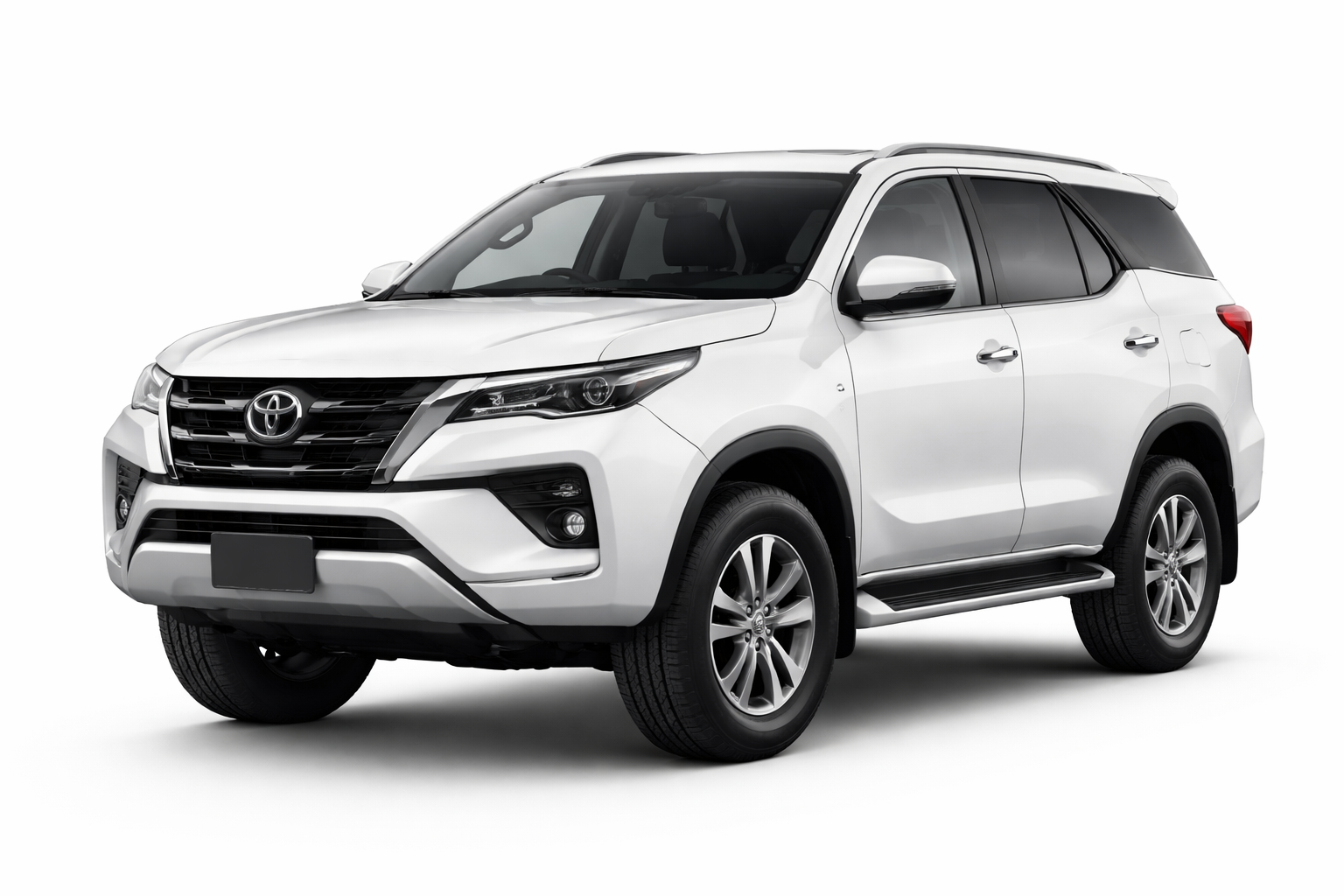
The Toyota Fortuner shares the same GD engine platform, so if you’re a Fortuner owner reading this — these turbo issues apply to your vehicle too. Browse our Fortuner engine parts for turbo components.
EGR Valve Clogging
The exhaust gas recirculation (EGR) valve is another emissions component that causes headaches, especially in dusty driving conditions. Combined with turbo actuator problems, EGR issues account for approximately 70% of all non-routine maintenance on GD-6 engines according to workshop data I’ve reviewed.
How It Happens
The EGR recirculates exhaust gas back into the intake to reduce NOx emissions. Over time, carbon from the exhaust coats the valve and intake manifold, restricting airflow. Dusty environments accelerate this process dramatically — which is why it’s especially common in rural and mining-area Hilux workhorses.
Symptoms
- Power loss at higher RPMs
- Increased fuel consumption (10-15% higher than normal)
- Rough idle
- EGR-related fault codes
Pro Tip
If you’re getting your Hilux serviced, ask your mechanic to inspect and clean the EGR valve. A R3,000 clean now prevents a R8,000 replacement later. Some owners opt for EGR blanking plates, but be aware this affects emissions compliance.
Cleaning costs R3,000-R5,000. A new EGR valve plus labour runs R5,000-R8,000. We carry replacement EGR components and engine parts for GD-6 models.
Clutch and Dual-Mass Flywheel Wear
This is the one that catches people off guard financially. The Hilux uses a dual-mass flywheel (DMF) designed to absorb vibrations from the diesel engine. When the DMF fails, you can’t just replace the clutch — you need both, and it’s expensive.
What I Found
- DMF failure typically occurs between 120,000-180,000 km
- Heavy towing and off-road use accelerate wear significantly
- The older D4D models had some clutch failures as early as 20,000 km
- Symptoms include a rattling noise at idle, vibration through the gear lever, and eventually clutch slip
Key Statistic
A complete clutch kit with dual-mass flywheel replacement costs R15,000-R28,000 installed. The DMF alone accounts for R8,500-R12,000 of that total. Labour is significant because the gearbox must be removed.
| Component | Part Cost (ZAR) | With Labour |
|---|---|---|
| Clutch kit only | R4,000 - R7,000 | R9,000 - R18,000 |
| Dual-mass flywheel | R8,500 - R12,000 | Included in combined |
| Clutch + DMF combined | R12,000 - R18,000 | R15,000 - R28,000 |
If you’re hearing rattles at idle, don’t wait. A failing DMF will destroy your clutch, and you’ll pay for both. Browse our Hilux transmission and clutch parts for pricing on clutch kits.
Suspension Component Wear
The Hilux is built to work hard, but suspension components take a beating — especially on gravel roads and when running heavy loads. Early GD-6 models had documented cases of shock absorber failure within weeks of delivery, and CV joint replacements as early as 16,000 km.
Common Failure Points
- Front shock absorbers: Leaking or loss of damping, especially with constant heavy loads
- Front coil springs: Breakage, particularly on vehicles used for towing
- CV joints: Premature wear on 4WD models driven on rough terrain
- Rear leaf springs: Sagging under constant load
- Ball joints: Wear accelerated by gravel road vibration
Estimated Suspension Repair Costs
- Shock absorber pair (per axle): R3,500 - R8,000
- Front coil springs (pair): R2,500 - R5,000
- Ball joint replacement (each): R1,500 - R3,500
- CV joint replacement: R2,500 - R5,000
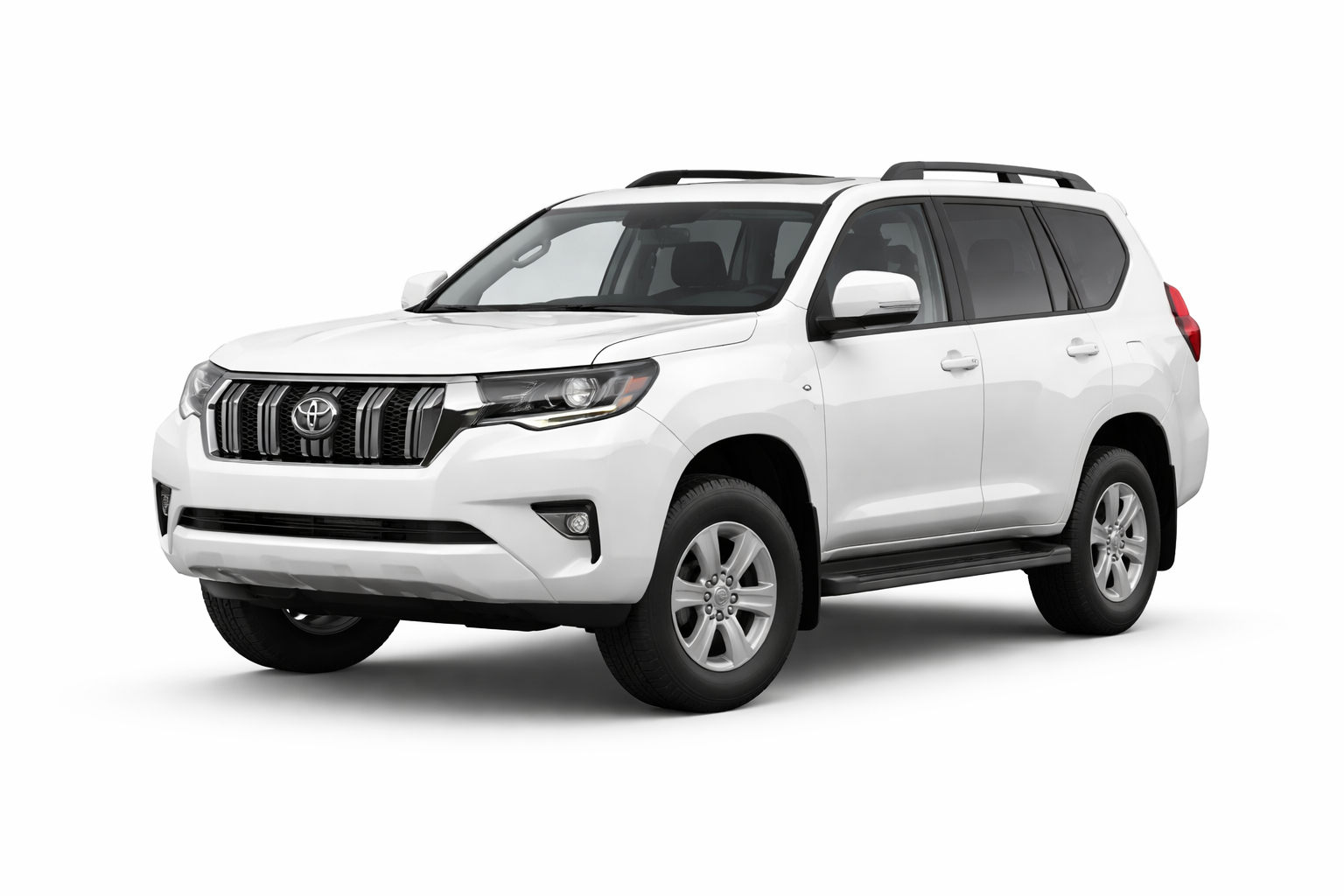
We stock a full range of Hilux suspension parts including OEM-equivalent shocks, springs, and bushings. The Prado also uses similar front suspension geometry, so Prado owners should watch for the same coil spring and ball joint issues.
4WD Electronic Engagement Failure
This one frustrates me because it’s a design issue. The electronic 4WD engagement system on GD-6 models is prone to failure after 4-5 years. The root cause is a grounding connection above the gearbox that corrodes, and accessing it requires removing the entire gearbox — which is neither cheap nor quick.
The Problem in Detail
- The earth connection above the gearbox degrades from heat and moisture
- 4WD selector light flashes but won’t engage
- System throws 4WD-related fault codes
- Toyota has reportedly declined some warranty claims for this issue
- Repair requires gearbox removal (8-12 hours labour)
The repair itself (cleaning and reseating the earth connection) is minor, but the labour to access it runs R5,000-R12,000. It’s a frustrating problem for a vehicle that’s marketed as a go-anywhere workhorse.
The Bigger Picture: Is the Hilux Still Reliable?
Despite everything I’ve listed, I want to be clear: the Toyota Hilux is still one of the most reliable vehicles you can buy. Here’s the data to back that up:
- 617,000 units sold globally in 2024 — making it the world’s best-selling pickup truck
- Over 18 million total units sold since the model’s inception
- Only 5 complaints on CarComplaints.com across all model years — an extraordinarily low number
- Only 7 recalls in the Hilux’s entire production history
- 300,000-400,000 km average engine life in commercial use
- Top Gear rating: 7/10 overall
- Toyota brand: Ranked 4th out of 30 brands in JD Power’s 2025 Vehicle Dependability Study
Did You Know?
The Hilux isn’t sold in the United States or China — two of the world’s largest truck markets — yet it still outsells virtually every global competitor. That’s a testament to its reputation in markets where reliability isn’t optional.
Every vehicle has its weak points. What makes the Hilux different is that most of these problems are preventable with proper maintenance — regular highway drives for the DPF, quality diesel for the injectors, and timely seal replacements. Compared to the overall ownership experience, these are manageable issues.
Maintenance Schedule to Prevent These Problems
Based on my research, here’s what I’d recommend beyond Toyota’s standard service schedule:
| Interval | Action | Why |
|---|---|---|
| Weekly | 20-min highway drive at 80+ km/h | DPF regeneration |
| Every 10,000 km | Check turbo boost levels | Catch actuator issues early |
| Every 20,000 km | Clean EGR valve | Prevent carbon buildup |
| Every 40,000 km | Inspect/replace injector seals | Prevent seal leaks and oil contamination |
| Every 60,000 km | Inspect clutch and DMF for play | Catch wear before total failure |
| Every 80,000 km | Suspension component inspection | Replace worn shocks, springs, bushings |
For any of the parts mentioned in this article, browse our full Toyota Hilux parts catalog or get a quote through our contact page. We supply both new aftermarket and quality used parts for all Hilux generations, delivered nationwide.
If you drive a Toyota Quantum for commercial use, many of the diesel engine tips here (DPF, EGR, injectors) apply to your vehicle too — the commercial Toyota range shares many of these drivetrain components.