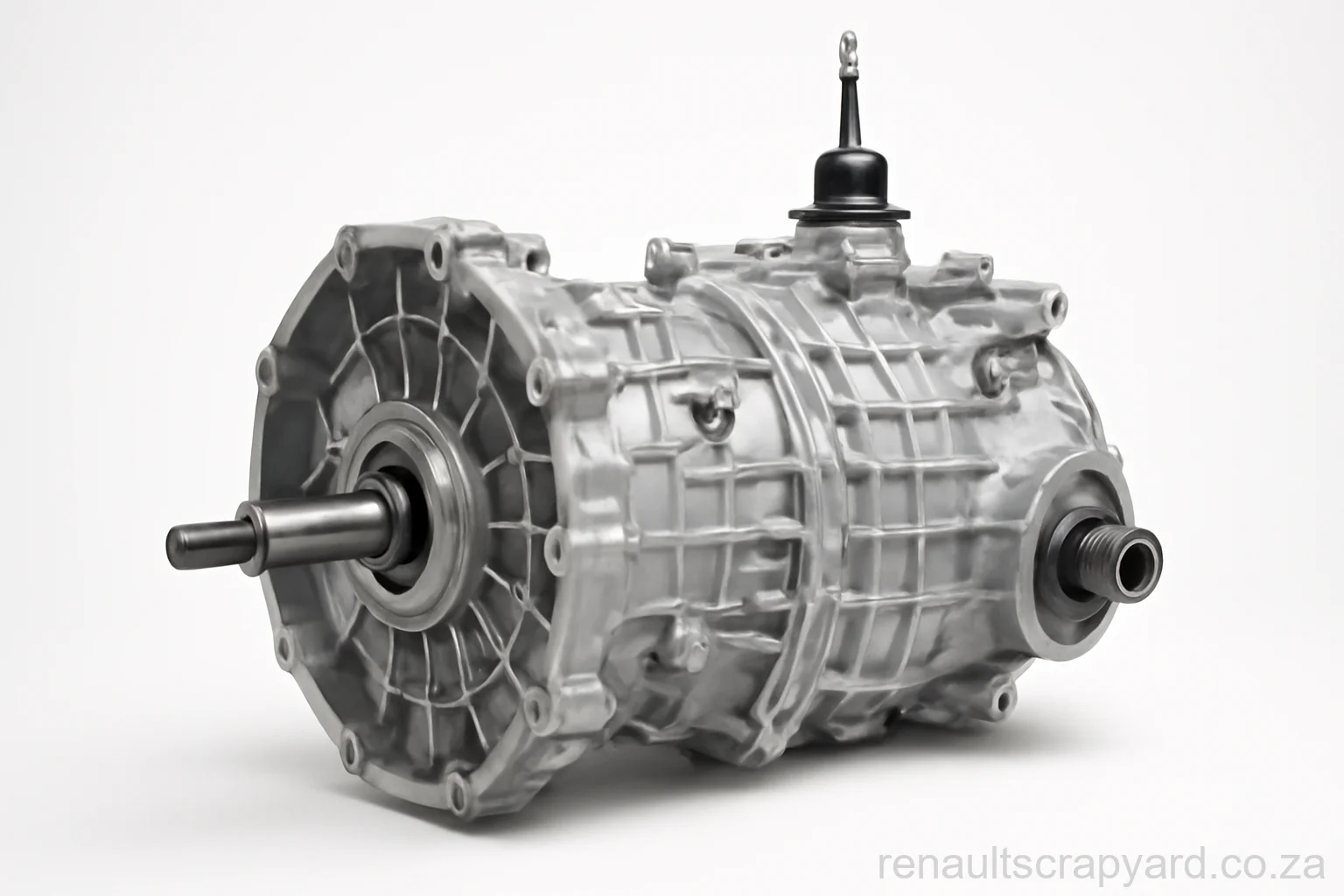

An automatic gearbox changes gears for you by using hydraulic fluid pressure, a torque converter, and planetary gears that lock and unlock in different combinations to deliver the right amount of power at any speed. Instead of a clutch pedal and gear stick, your Toyota’s automatic transmission reads your throttle input, vehicle speed, and engine load, then selects the optimal gear ratio on its own. I have researched Toyota transmission systems across international engineering resources, and in this guide I will explain exactly how they work, which Toyota models use which type, the common failure points, and how to keep your automatic gearbox healthy here in South Africa.
Key Takeaways
| Topic | Key Finding | Detail |
|---|---|---|
| The Basics | Hydraulic fluid and planetary gears replace the manual clutch and gear stick | The transmission selects gears based on speed, load, and throttle position |
| Key Components | Three core parts: torque converter, planetary gear sets, and valve body | Each plays a critical role in smooth, automatic gear changes |
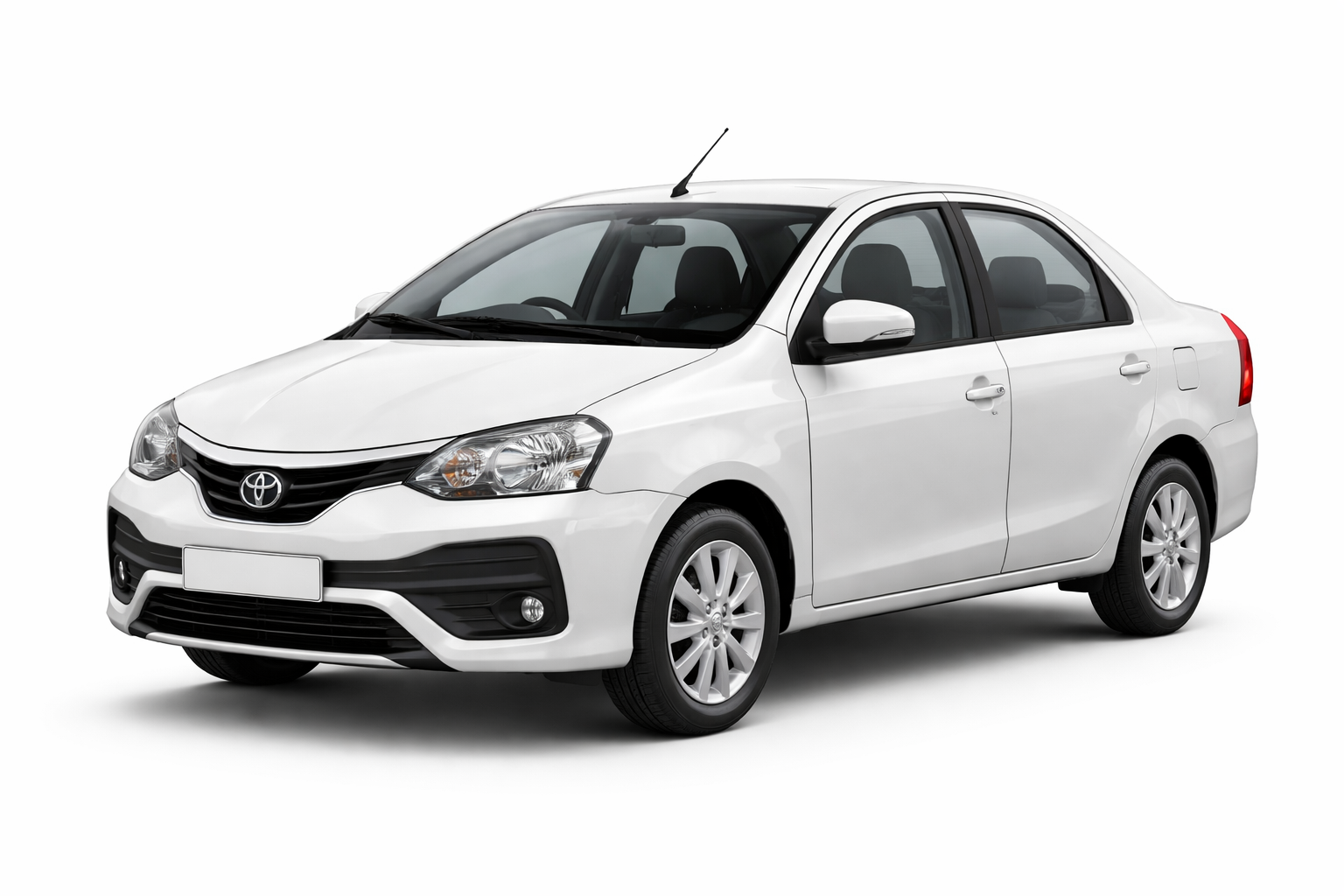
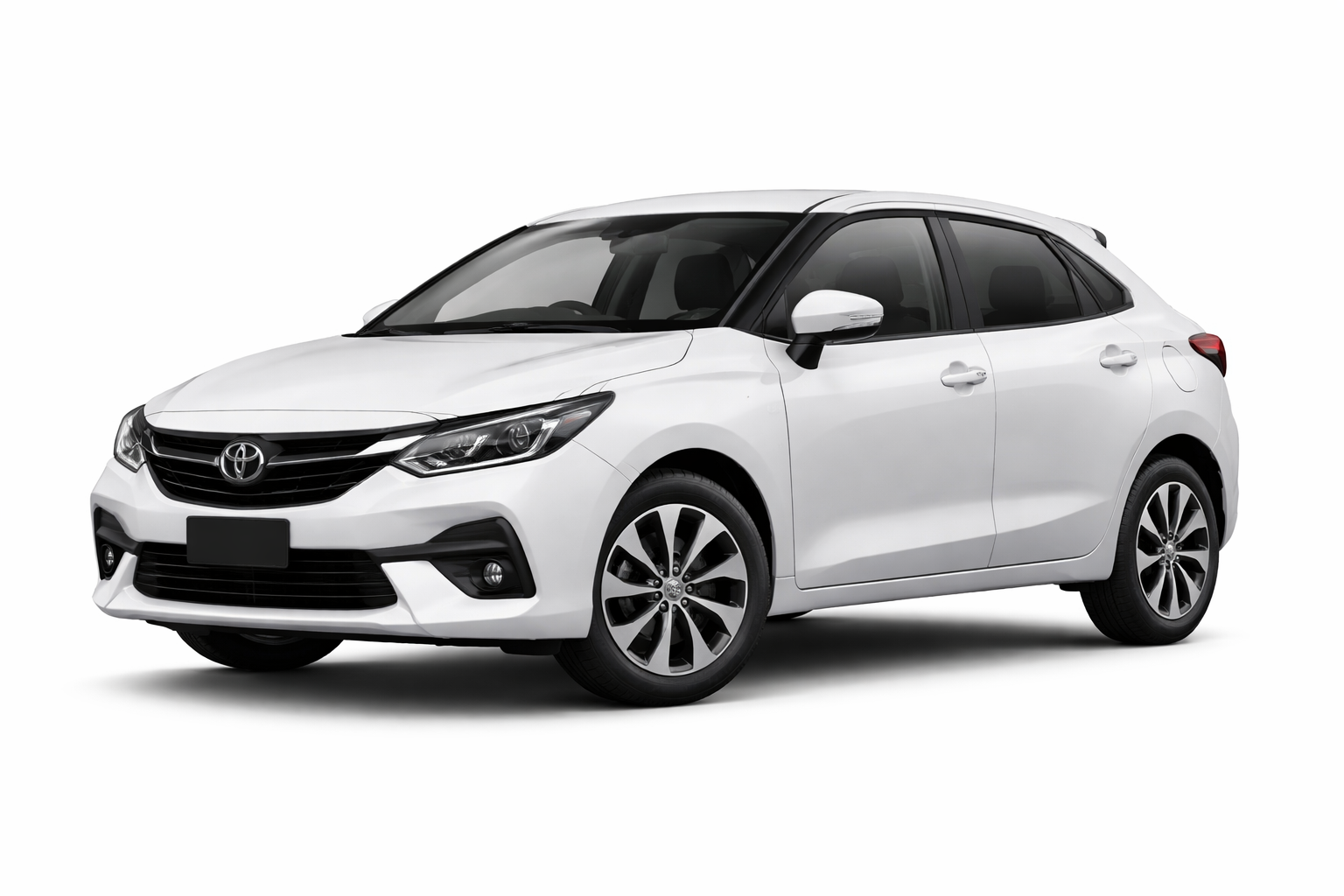
| Toyota Types | Toyota uses conventional auto, CVT, and Direct Shift CVT | Trucks and SUVs get conventional autos; sedans and hatchbacks get CVTs |
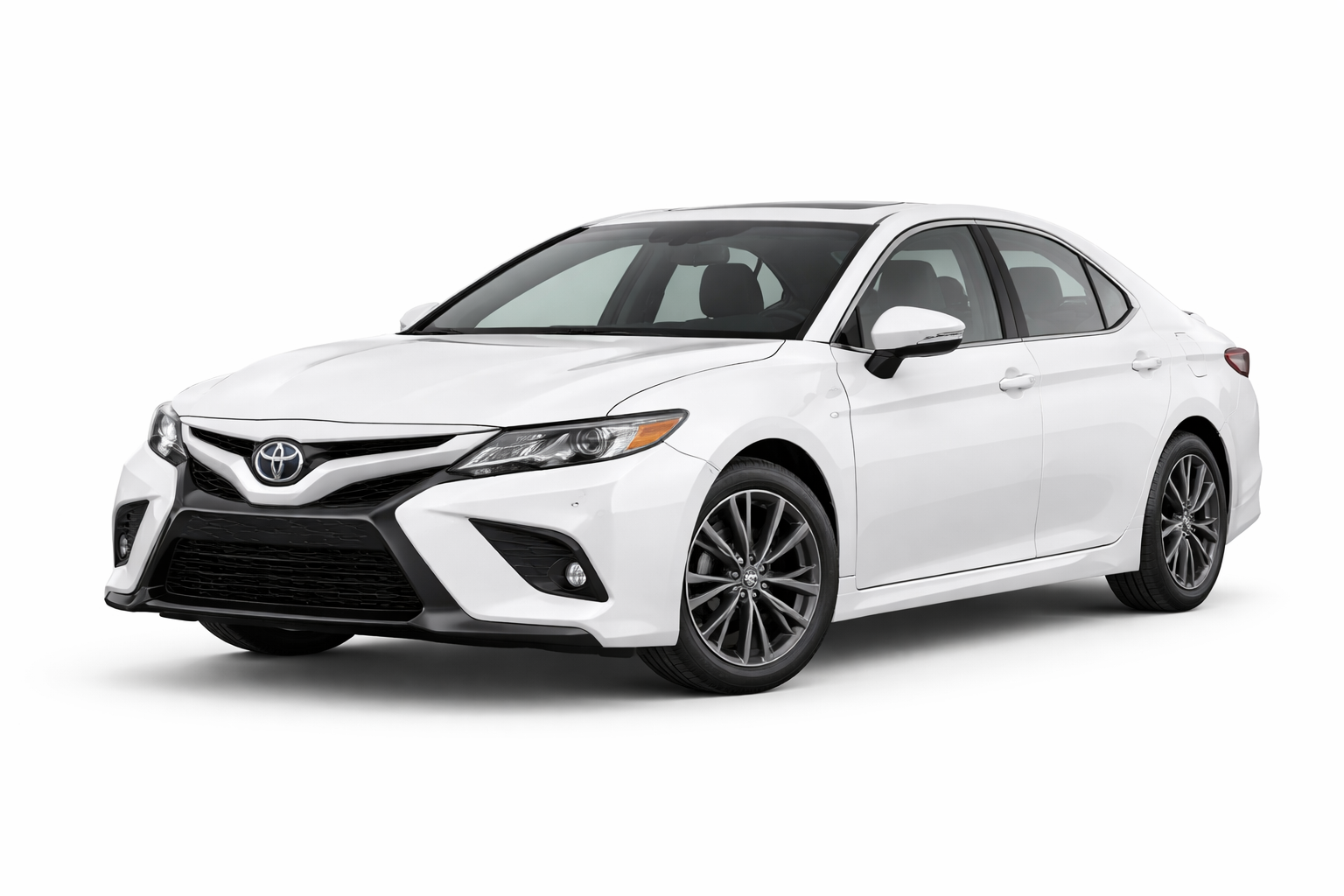
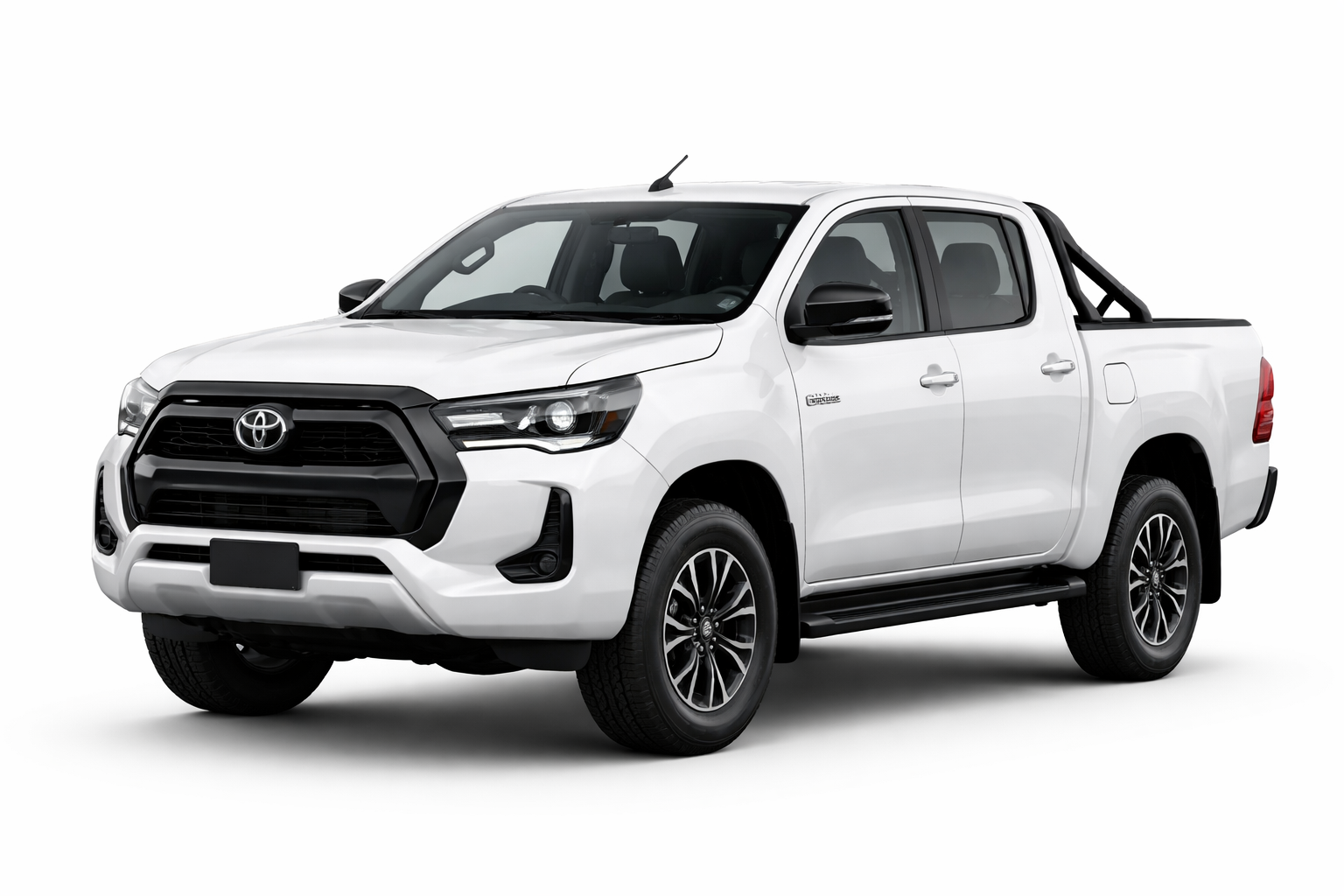
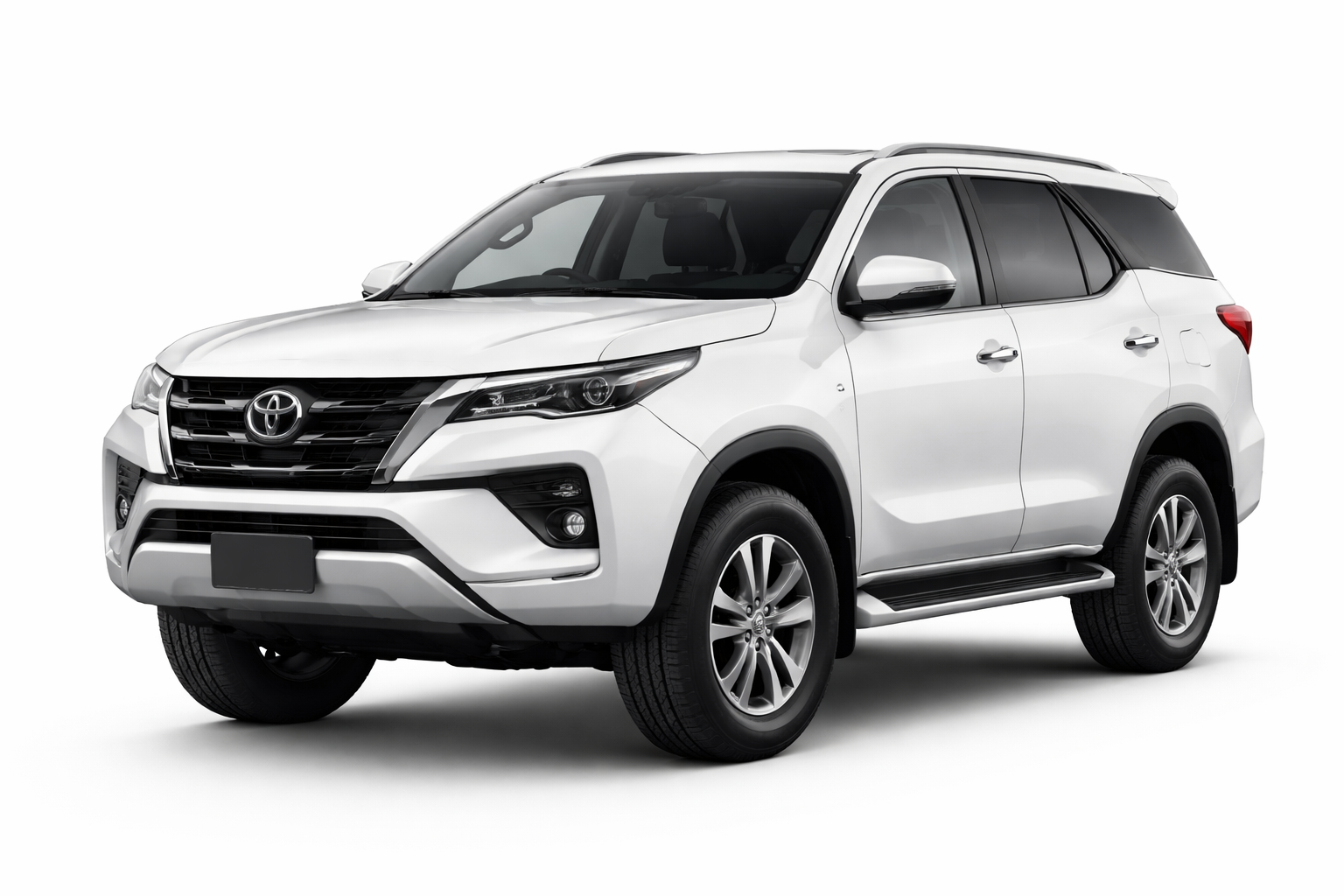
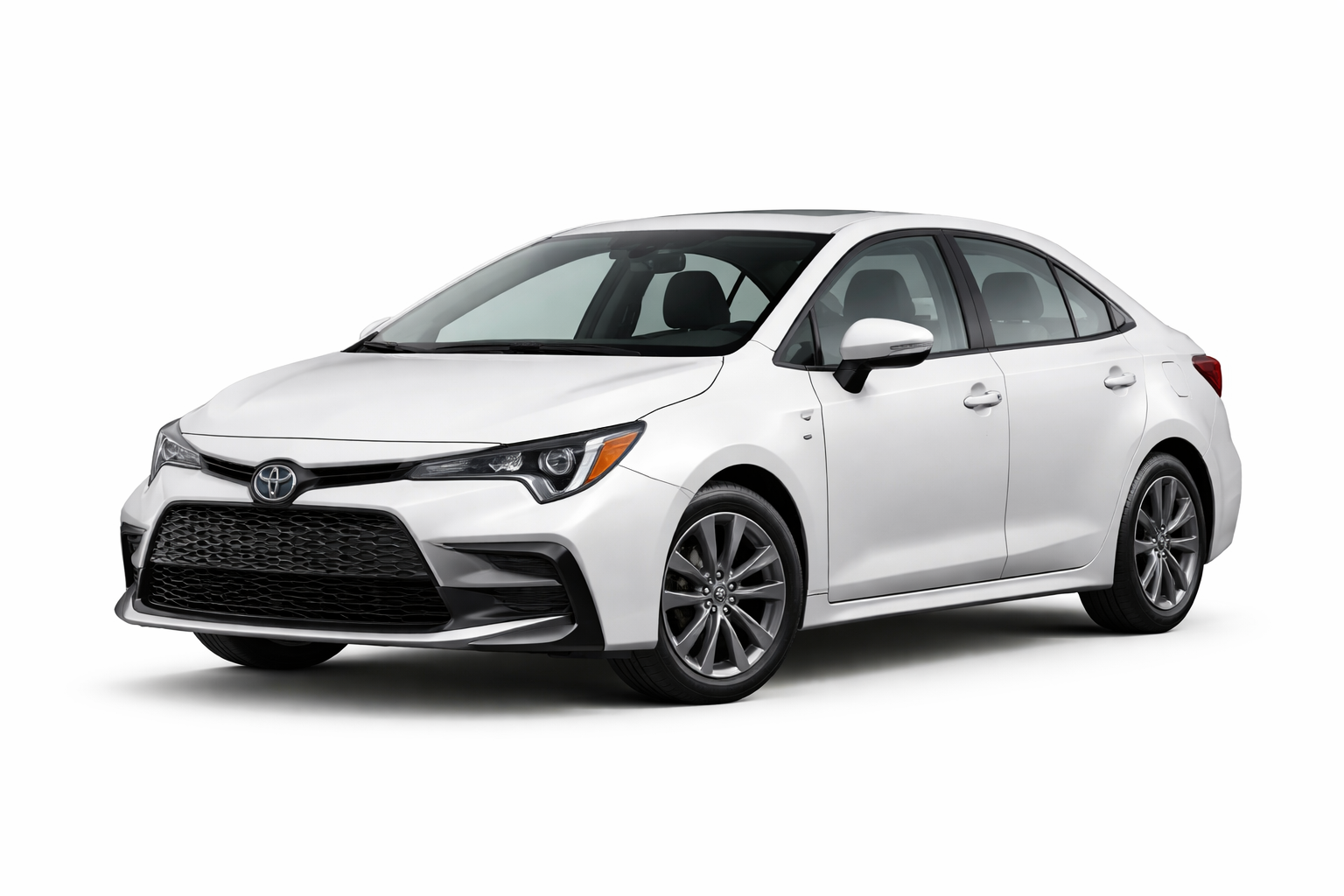
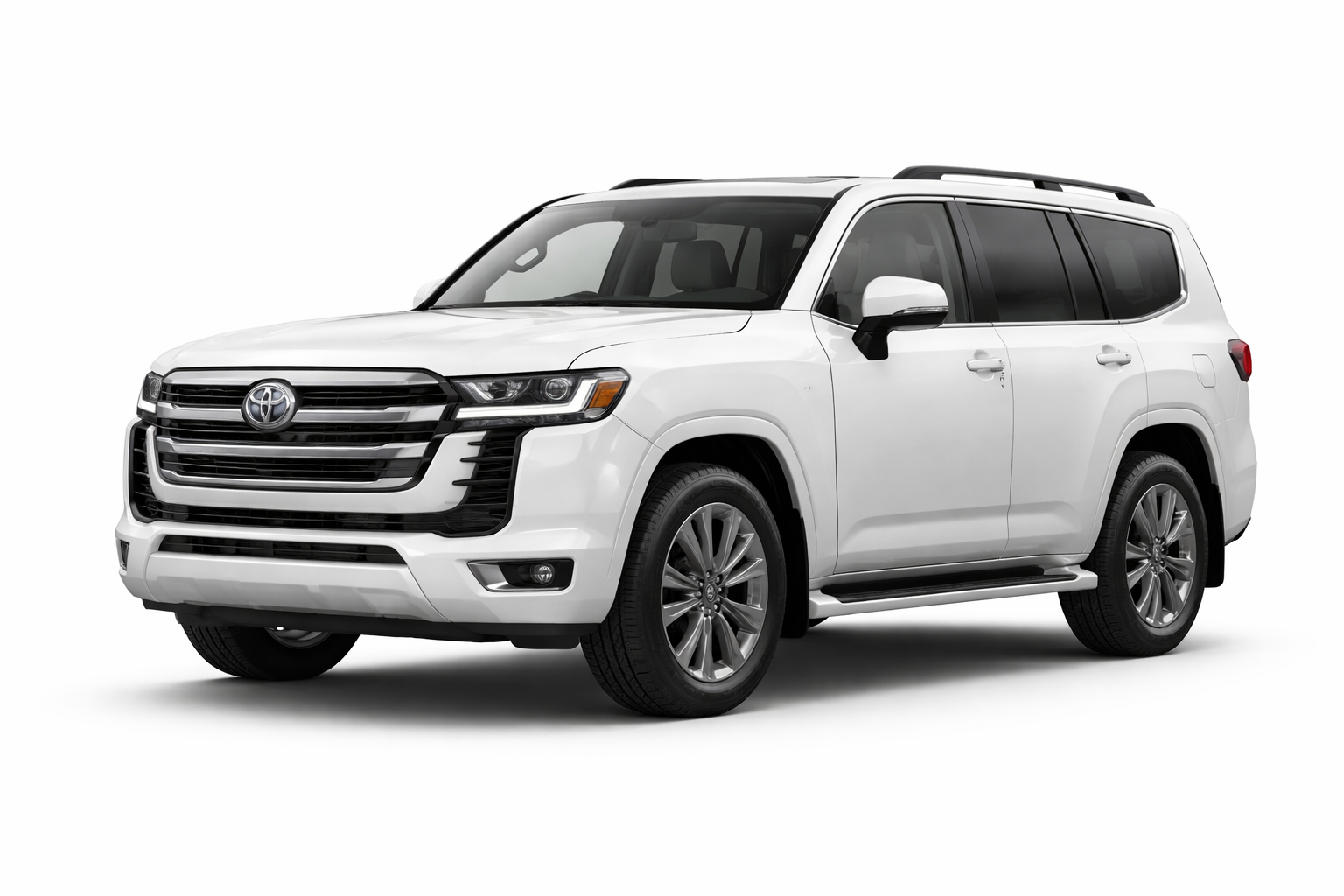
| Which Model Gets What | Hilux and Fortuner use 6-speed conventional auto; Corolla uses Direct Shift CVT | Camry uses 8-speed auto (non-hybrid) or eCVT (hybrid) |
| Auto vs Manual | Automatics offer convenience; manuals offer engagement | Modern automatics match or beat manual fuel economy |
| Common Problems | Fluid leaks, harsh shifting, and slipping gears are the top issues | Most problems trace back to low or contaminated fluid |
| Maintenance | Change ATF every 60,000-80,000 km or sooner under harsh conditions | A fluid change costs R1,200-R3,500 depending on model |
The Basics — How Automatic Transmissions Work
Every engine produces usable power in a narrow RPM band, roughly 1,000 to 6,500 RPM for most Toyota petrols. Your wheels, however, need to spin at vastly different speeds — from a dead stop to 120 km/h on the N1. The transmission bridges that gap by multiplying torque at low speeds and letting the engine cruise efficiently at higher speeds.
In a manual, you select gears yourself. In an automatic, the transmission reads sensors monitoring throttle position, vehicle speed, and engine load, then commands internal clutches and bands to engage the correct ratio. The entire process runs on pressurised automatic transmission fluid (ATF), which transmits force, lubricates moving parts, cools the assembly, and actuates the clutch packs.
Why “Automatic” Does Not Mean Simple
An automatic gearbox contains over 800 individual parts. Modern Toyota automatics shift gears in under 200 milliseconds — faster than you can blink.
Key Components Inside an Automatic Gearbox
The Torque Converter
The torque converter sits between engine and transmission, doing the job of a manual clutch. It is a sealed, doughnut-shaped housing filled with ATF containing three elements:
- Impeller (pump) — Bolted to the flywheel, it spins at engine speed and flings ATF outward, converting mechanical energy into fluid motion.
- Turbine — Connected to the transmission input shaft, it catches moving fluid and converts it back into rotation that drives the gears.
- Stator — Positioned between impeller and turbine, it redirects returning fluid to multiply torque at low speeds by up to 2.5:1.
Most modern Toyota automatics include a lock-up clutch that physically locks the impeller and turbine together above approximately 50 km/h, eliminating fluid slippage to improve fuel economy.
Planetary Gear Sets
Instead of parallel shafts, automatics use planetary (epicyclic) gear sets with three components: a central sun gear, planet gears on a carrier orbiting around it, and a large outer ring gear. By holding one component stationary while driving another, you get different gear ratios. Modern Toyota 6-speed and 8-speed automatics stack multiple planetary sets together with clutch packs, bands, and one-way clutches to achieve their full range of ratios.
The Valve Body
The valve body directs pressurised ATF to the correct clutch packs at the right time. Modern Toyota transmissions use an electronic Transmission Control Module (TCM) that commands solenoids inside the valve body, precisely controlling shift timing, firmness, and torque converter lock-up.
Why Transmission Fluid Quality Matters So Much
Every function inside an automatic gearbox depends on clean ATF. It transmits force, actuates clutch packs, lubricates gears, and carries away heat. Degraded or low fluid is the single most common cause of transmission problems.
Toyota Transmission Types
1. Conventional Torque Converter Automatic
The traditional design: torque converter, planetary gears, and hydraulic valve body. Toyota uses these in trucks, SUVs, and larger sedans where torque capacity and durability matter most.
Key Toyota designations:
- A750F — 5-speed auto in older Hilux and Fortuner models. Rated for up to 550 Nm.
- AC60 — 6-speed auto in newer Hilux and Fortuner diesels. Smoother and more efficient.
- Direct Shift-8AT — Toyota’s 8-speed auto under TNGA, used in the RAV4 and Camry (non-hybrid).
2. CVT (Continuously Variable Transmission)
A CVT uses a steel belt running between two variable-diameter pulleys instead of planetary gears. By changing each pulley’s effective diameter, it provides a theoretically infinite number of ratios. The engine always runs at its most efficient RPM, delivering superior fuel economy and smooth acceleration with no shift jolts.
3. Direct Shift CVT
Toyota’s Direct Shift CVT (K120) combines a physical mechanical first gear with a belt-driven CVT for the remaining ratios. When you pull away, a real gear set provides immediate response. Above 25-30 km/h, the system transitions seamlessly to the CVT. Toyota reports a 15% increase in ratio spread and 6% better fuel economy compared to conventional CVTs.
Direct Shift CVT by the Numbers
The physical launch gear also reduces belt wear during the highest-stress phase: pulling away from a standstill. Toyota programs ten simulated “steps” so drivers can still feel distinct gear changes in sport mode.
Which Toyota Models Use Which Transmission
| Toyota Model | Engine | Transmission Type | Speeds |
|---|---|---|---|
| Hilux 2.8 GD-6 | 2.8L Turbo Diesel | Conventional Auto | 6-speed |
| Hilux 2.4 GD-6 | 2.4L Turbo Diesel | Conventional Auto | 6-speed |
| Fortuner 2.8 GD-6 | 2.8L Turbo Diesel | Conventional Auto | 6-speed |
| Fortuner 2.7 VVTi | 2.7L Petrol | Conventional Auto | 6-speed |
| Corolla 1.8 | 1.8L Petrol | Direct Shift CVT | 10 simulated steps |
| Corolla 1.8 Hybrid | 1.8L Hybrid | eCVT | Continuous |
| Camry 2.5 | 2.5L Petrol | Conventional Auto | 8-speed |
| Camry 2.5 Hybrid | 2.5L Hybrid | eCVT | Continuous |
| RAV4 2.0 | 2.0L Petrol | Conventional Auto | 8-speed |
| RAV4 2.5 Hybrid | 2.5L Hybrid | eCVT | Continuous |
What is an eCVT?
The eCVT in Toyota hybrids is fundamentally different from a belt-driven CVT. It uses a planetary gear set to split power between petrol engine and electric motors — no belt, no pulleys. It is one of Toyota’s most reliable transmission types.
If you need Hilux gearbox parts or Fortuner gearbox parts, identify your specific transmission before ordering. Model year and engine variant determine the exact unit.
Automatic vs Manual — Pros and Cons
| Factor | Automatic | Manual |
|---|---|---|
| Ease of driving | No clutch; ideal for traffic | Requires clutch control and gear selection |
| Fuel economy | Modern autos match or beat manuals | Historical advantage has narrowed |
| Towing | Smooth torque converter pull-away | Increased clutch wear under load |
| Maintenance cost | ATF changes; major repairs expensive | Clutch replacement simpler and cheaper |
| Resale value | Higher demand in SA for SUVs | Manual Hilux models hold strong value |
| Durability | Excellent with proper fluid maintenance | Tolerates more neglect |
Which Should You Choose?
For daily commuting in Johannesburg, Pretoria, Cape Town, or Durban traffic, an automatic is the practical choice. For farm use where simplicity matters, a manual still makes sense.
Common Automatic Transmission Problems in Toyotas
Toyota automatics are among the most reliable available, but no mechanical system is immune to wear and neglect.
1. Delayed or Harsh Shifting
Symptoms: Delay when shifting from Park to Drive, or jolts during gear changes. Causes: Low ATF, degraded fluid, or failing shift solenoids. TCM software may need a reflash. Cost: Solenoid replacement R1,500-R4,500. TCM reflash R800-R2,000.
2. Transmission Fluid Leaks
Symptoms: Red or brown fluid under the vehicle; burning smell. Causes: Worn pan gasket, damaged cooler lines, or failing front pump seal. On higher-mileage Hilux and Fortuner models, cooler lines are a known weak point. Cost: Pan gasket R600-R1,500. Cooler lines R1,000-R3,000.
3. Slipping Gears
Symptoms: Engine revs climb without proportional acceleration. Causes: Worn clutch packs, low fluid pressure, or failing torque converter. Cost: Fluid change R1,200-R2,500 if caught early. Full rebuild R15,000-R45,000 if not.
4. Torque Converter Shudder
Symptoms: Vibration between 40-70 km/h, like driving over a rumble strip. Causes: Degraded ATF preventing smooth lock-up clutch engagement. Cost: ATF drain and refill R1,200-R2,500. Converter replacement R6,000-R15,000.
Do Not Ignore Transmission Warning Signs
A minor solenoid fault or fluid leak costing R2,000 to fix can become a R30,000+ rebuild within a few thousand kilometres if ignored. Address any change in shift quality immediately.
Maintenance Schedule for Toyota Automatic Gearboxes
| Service Item | Normal Driving | Severe Conditions* |
|---|---|---|
| ATF level check | Every 10,000 km or annually | Every 5,000 km or 6 months |
| ATF drain and refill | Every 60,000-80,000 km | Every 40,000-60,000 km |
| Transmission filter replacement | Every 80,000-100,000 km | Every 60,000-80,000 km |
| Cooler line inspection | Every 40,000 km | Every 20,000 km |
*Severe conditions: towing, stop-start driving, sustained heat, dusty roads, heavy loads.
Service Costs in South Africa
| Service | Cost Range (ZAR) |
|---|---|
| ATF drain and refill (DIY) | R400 - R800 |
| ATF drain and refill (workshop) | R1,200 - R2,500 |
| Filter and fluid service | R1,800 - R3,500 |
| Solenoid replacement | R2,500 - R6,000 |
| Full transmission rebuild | R15,000 - R45,000 |
The Cheapest Transmission Repair is Prevention
A fluid change at R1,200-R2,500 every 60,000 km is cheap insurance against a R30,000+ rebuild. Fresh fluid maintains hydraulic pressure, reduces friction, and carries heat away from critical components.
Choosing the Right Fluid
Toyota specifies ATF WS (World Standard) for most modern automatics in the Hilux, Fortuner, Corolla, Camry, and RAV4. Older models may use ATF Type T-IV. For CVT models like the Corolla, Toyota specifies CVTF FE fluid — using conventional ATF in a CVT will damage the belt and pulleys.
Tips for Extending Transmission Life
- Let it warm up — In cold weather, idle for 30-60 seconds before driving. Cold ATF does not flow or protect effectively.
- Stop before shifting — Always come to a full stop before shifting between Drive and Reverse.
- Use the parking brake on hills — Do not rely solely on the parking pawl to hold the vehicle on an incline.
- Monitor temperature when towing — Keep ATF below 90 degrees Celsius. Above 120, fluid degrades rapidly.
- Avoid full transmission flushes — A drain-and-refill replaces 40-50% of fluid safely. Flushes can dislodge debris into valve body passages.
If you need replacement Hilux gearbox parts or Fortuner gearbox parts, we stock quality inspected used automatic transmission components with nationwide delivery across South Africa.