



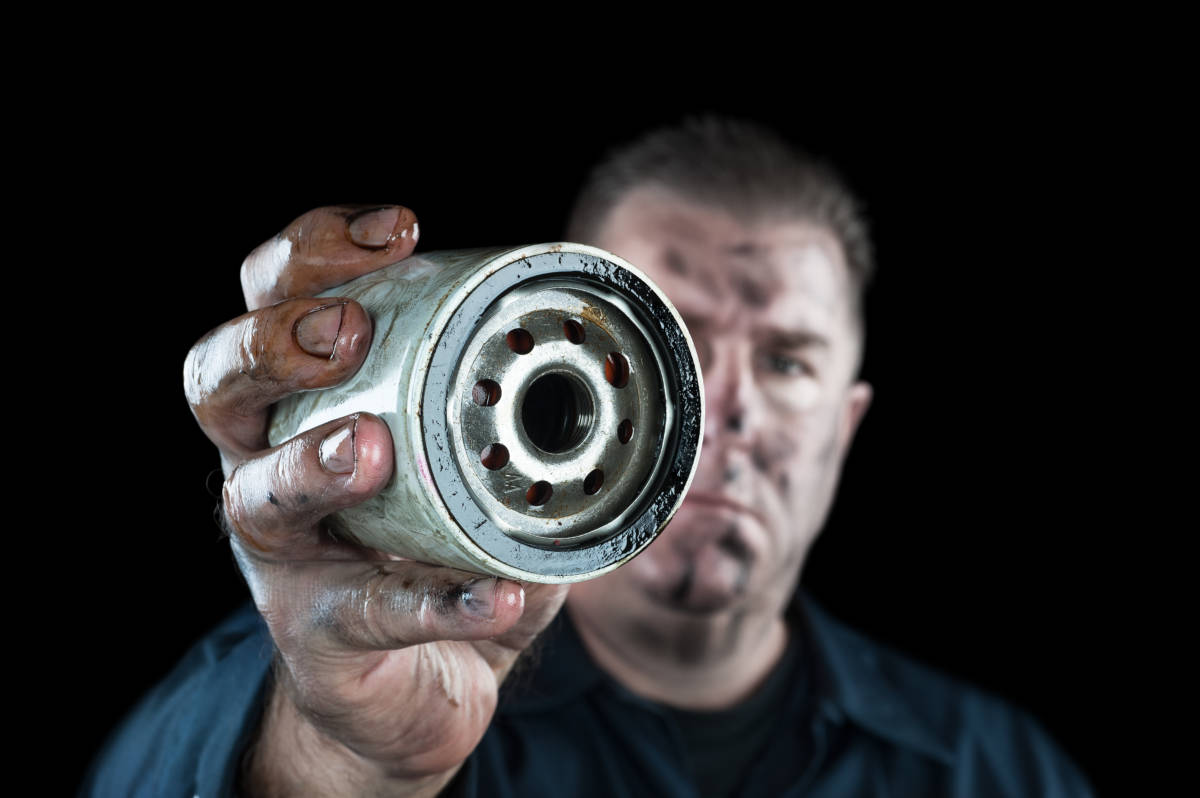

Your Toyota’s oil filter traps microscopic metal shavings, carbon deposits, and dirt particles that would otherwise grind through your engine’s bearings and cylinder walls. I recommend changing it every 10,000-15,000 km — or simply at every oil change service — because a clogged filter forces contaminated oil through a bypass valve and directly into your engine internals. A genuine Toyota oil filter costs between R120 and R350 depending on your model. Neglecting this R200 service item is the single cheapest way to destroy a R50,000+ engine.
Key Takeaways
| Topic | Key Finding |
|---|---|
| What the Oil Filter Does | Removes metal particles, carbon, and contaminants down to 20-40 microns from circulating engine oil |
| Change Intervals by Model | Every 10,000-15,000 km depending on model and oil type; always replace at every oil change |
| Genuine vs Aftermarket | Toyota Genuine filters prioritise flow and fit; Wix and K&N match quality in independent testing |
| Warning Signs | Low oil pressure light, dark gritty oil, metallic engine noise, and reduced fuel economy |
| Consequences of Skipping | Bypass valve opens, unfiltered oil circulates, bearing damage, and potential catastrophic engine failure |
| Costs by Model (ZAR) | R120-R350 for genuine filters; R80-R200 for quality aftermarket alternatives |
| How to Check | Visual oil inspection, pressure gauge readings, and mileage tracking methods |
What Does an Oil Filter Actually Do
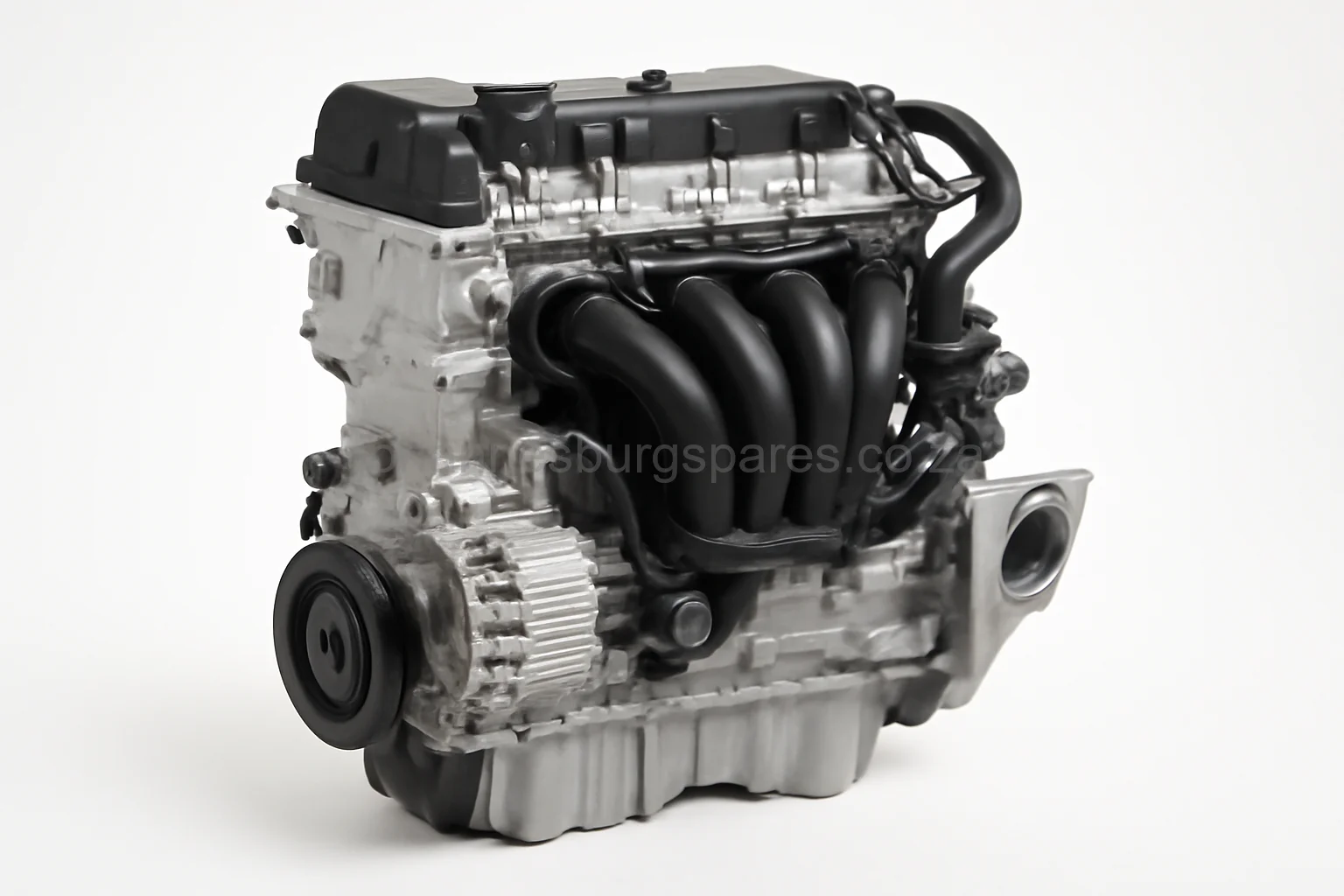
Every time your Toyota’s engine runs, the oil pump pushes oil through the filter at pressures between 8 and 60 psi. Inside the canister, pleated synthetic fibre media catches particles as small as 20-40 microns — roughly half the width of a human hair. Without filtration, metal shavings from normal piston and bearing wear, combustion byproducts, and external contaminants would circulate freely, scoring precision-machined surfaces and accelerating wear exponentially.
I find it helps to understand the five key components inside every Toyota oil filter:
- Base plate with perforated holes: Oil enters through small holes around the perimeter and exits through the central threaded hole
- Pleated filter media: Synthetic fibre folded into pleats to maximise surface area, trapping contaminants as oil passes through
- Anti-drainback valve: A rubber or silicone flap that prevents oil from draining out when the engine is off, ensuring immediate oil pressure at startup
- Bypass (relief) valve: Opens at 8-15 psi differential pressure to allow oil flow if the media is completely clogged, preventing oil starvation
- Metal canister and sealing gasket: The outer housing that bolts to the engine block with a rubber gasket for a leak-free seal
How Often Oil Passes Through the Filter
By the time you drive 5,000 km, your engine oil has been pumped through the oil filter approximately 12,000 times. Every particle the filter catches is one fewer abrasive contaminant grinding through your engine’s bearings.
The anti-drainback valve deserves special attention. When you turn your engine off overnight, gravity wants to pull oil out of the filter and back into the sump. A quality anti-drainback valve keeps the filter full so that oil pressure builds within the first second of starting your engine. A failed valve means your engine runs dry for several seconds every cold start — and that wear is cumulative and irreversible.
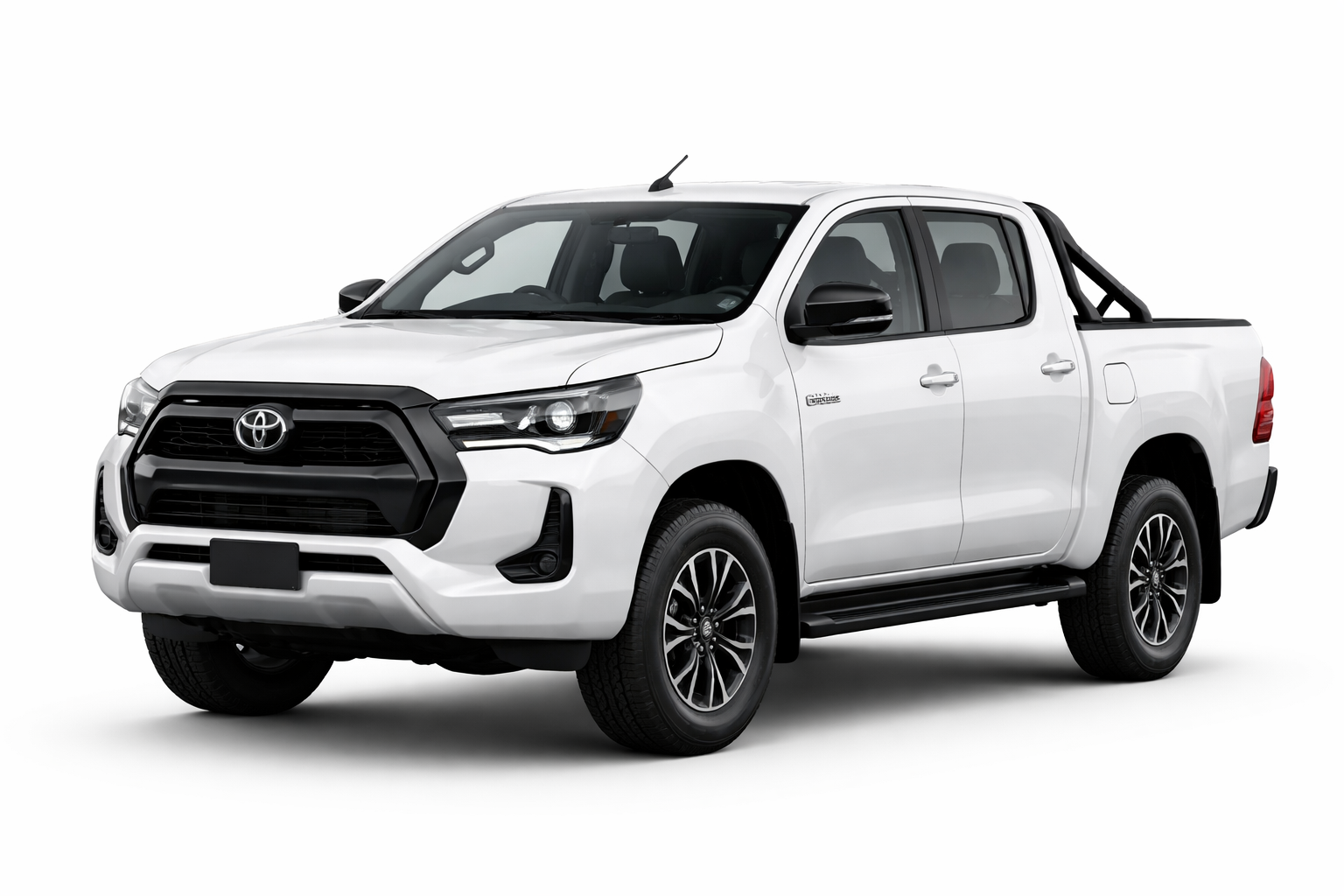
If you are sourcing replacement parts for your Toyota Hilux or Fortuner, the oil filter should be at the top of your service checklist.
Toyota Oil Filter Change Intervals by Model
After reviewing multiple owner’s manuals and Toyota’s maintenance publications, here is what I have found for the South African market:
| Model | Engine | Recommended Interval | Oil Type |
|---|---|---|---|
| Hilux 2.4 GD-6 | 2GD-FTV Diesel | 10,000 km or 12 months | 0W-20 or 5W-30 Synthetic |
| Hilux 2.8 GD-6 | 1GD-FTV Diesel | 10,000 km or 12 months | 0W-20 or 5W-30 Synthetic |
| Fortuner 2.4 GD-6 | 2GD-FTV Diesel | 10,000 km or 12 months | 0W-20 or 5W-30 Synthetic |
| Fortuner 2.8 GD-6 | 1GD-FTV Diesel | 10,000 km or 12 months | 0W-20 or 5W-30 Synthetic |
| Corolla 1.8 | 2ZR-FE Petrol | 15,000 km or 12 months | 0W-20 Full Synthetic |
| Corolla 2.0 | M20A-FKS Petrol | 15,000 km or 12 months | 0W-20 Full Synthetic |
| Etios 1.5 | 2NR-FE Petrol | 10,000 km or 12 months | 5W-30 Synthetic |
| Quantum 2.5 D-4D | 2KD-FTV Diesel | 10,000 km or 12 months | 5W-30 Synthetic |
Severe Driving Conditions Require Earlier Changes
If you regularly drive in dusty conditions, tow heavy loads, make frequent short trips under 10 km, or idle for extended periods, Toyota classifies your driving as “severe.” Under these conditions, cut the interval in half — change the oil and filter every 5,000-7,500 km. Most South African driving qualifies as severe.
The critical rule: never change the oil without changing the filter. Fresh oil through a clogged filter defeats the purpose. Some workshops try to save R150 by reusing the old filter. Walk away from any mechanic who suggests this.
For Hilux engine parts and Fortuner engine parts, we stock genuine and OEM-equivalent oil filters for every generation on South African roads.
Toyota Genuine vs Aftermarket Oil Filters
This is where the debate gets heated in every Toyota owner forum I have reviewed. After analysing independent filter comparison studies, the answer is more nuanced than most people think.
Toyota Genuine Filters
Toyota Genuine oil filters (manufactured by Denso) prioritise oil flow over absolute filtration — meaning they maintain excellent flow rates that protect against oil starvation. What makes them stand out:
- Precise fit and gasket sizing: No risk of cross-threading or poor seals
- Robust construction: The centre tube and end caps are solidly built; Toyota cartridge filters do not collapse under pressure, unlike some aftermarket options
- Correct bypass valve pressure: Calibrated exactly to the engine’s oil system specifications
- Silicone anti-drainback valves on newer filters: Better heat resistance than nitrile rubber
Aftermarket Alternatives
A study commissioned by Olathe Toyota Parts examined more than twelve oil filter brands and concluded that Wix, K&N, and Toyota Genuine produce the best quality oil filters overall.
| Feature | Toyota Genuine | Quality Aftermarket (Wix, K&N) | Budget Aftermarket |
|---|---|---|---|
| Filtration efficiency | Good (prioritises flow) | Excellent (finer media) | Poor to average |
| Construction quality | Excellent | Excellent | Variable |
| Anti-drainback valve | Silicone (newer) | Silicone | Often nitrile rubber |
| Bypass valve calibration | Engine-specific | Generally correct | May be incorrect |
| Price (ZAR) | R120-R350 | R100-R280 | R50-R120 |
My Recommendation
For most Toyota owners, a genuine Toyota filter or a name-brand aftermarket filter from Wix, K&N, Bosch, or Fram Ultra is perfectly fine. The differences between these top-tier options are marginal. What matters far more is changing the filter on schedule. A R100 Wix filter changed every 10,000 km will protect your engine better than a R300 genuine filter left in for 30,000 km.
The Counterfeit Problem
Counterfeit Toyota oil filters are a real problem globally. These knockoffs use Toyota branding but contain inferior media, weak anti-drainback valves, and poorly calibrated bypass valves. If the price seems too good to be true, buy from an authorised dealer or a trusted parts supplier.
Signs Your Oil Filter Needs Changing
Your Toyota will give you several warning signs before a clogged oil filter causes serious damage:
1. Oil Pressure Warning Light
This is the most serious sign. A clogged filter restricts oil flow, causing pressure to drop below the safe threshold. When the oil pressure light comes on, stop driving immediately. Continuing to drive with low oil pressure can destroy your engine’s bearings within minutes.
2. Dark, Gritty Oil on the Dipstick
Check your oil monthly. Fresh oil is amber and translucent. If your oil looks black, feels gritty between your fingers, or has a thick, sludgy consistency, the filter is no longer trapping contaminants effectively. This is contaminated oil circulating through your engine.
3. Metallic Engine Noise
When unfiltered oil allows metal particles to circulate, you will hear it — a ticking or knocking sound, especially at idle or during cold starts. These are bearing surfaces making contact without proper lubrication film. By the time you hear knocking, wear is already occurring.
4. Reduced Engine Performance and Fuel Economy
A restricted oil filter forces the engine to work harder. You may notice sluggish acceleration, rougher idle, or a 5-15% increase in fuel consumption. These symptoms creep in gradually, which is why scheduled changes are more reliable than waiting for symptoms.
When in Doubt, Change It Out
An oil filter is one of the cheapest components on your Toyota. If you are uncertain whether your filter is still good, the cost of a replacement (R120-R350) is trivially small compared to the risk. I never recommend trying to extend filter life beyond the manufacturer’s interval.
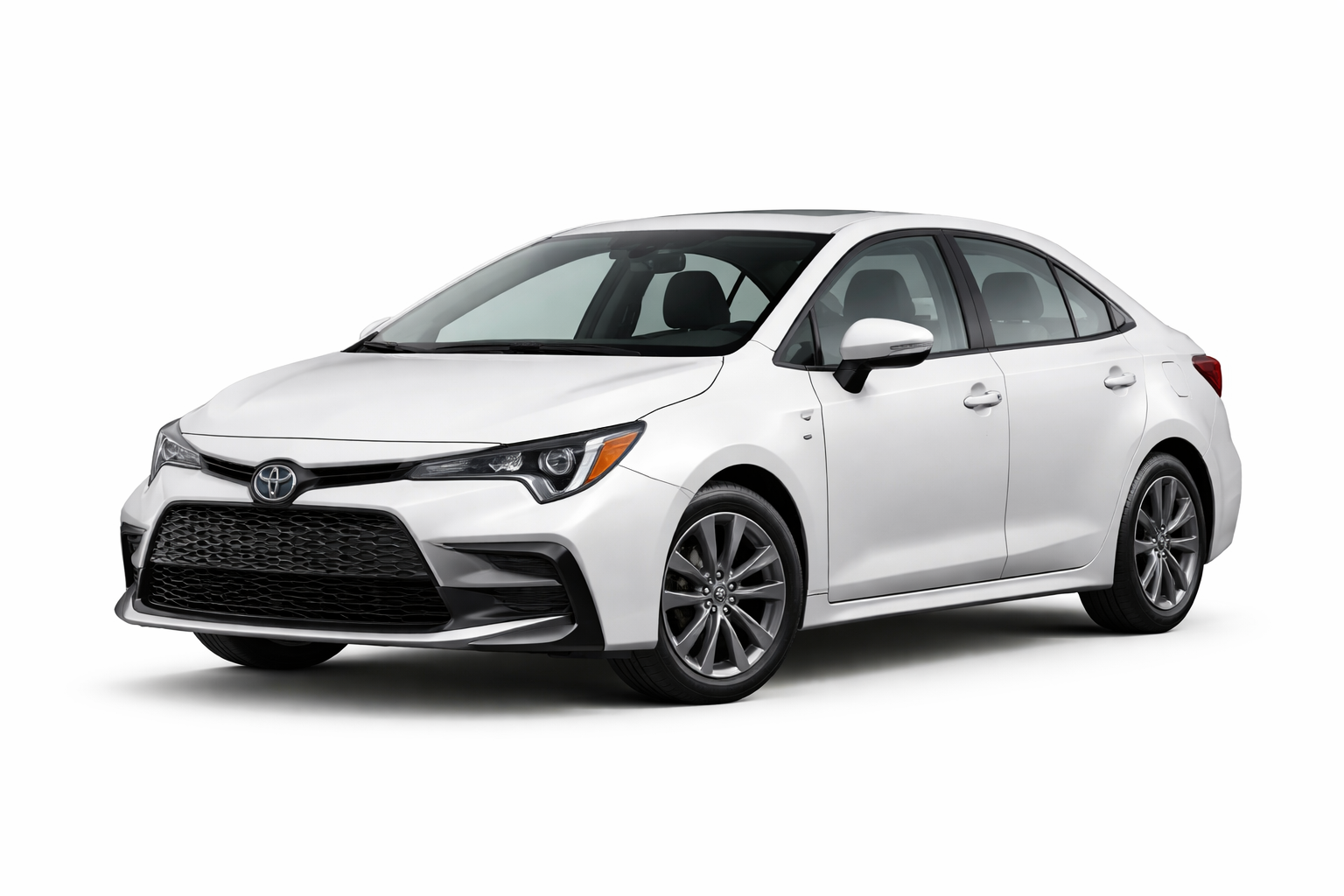
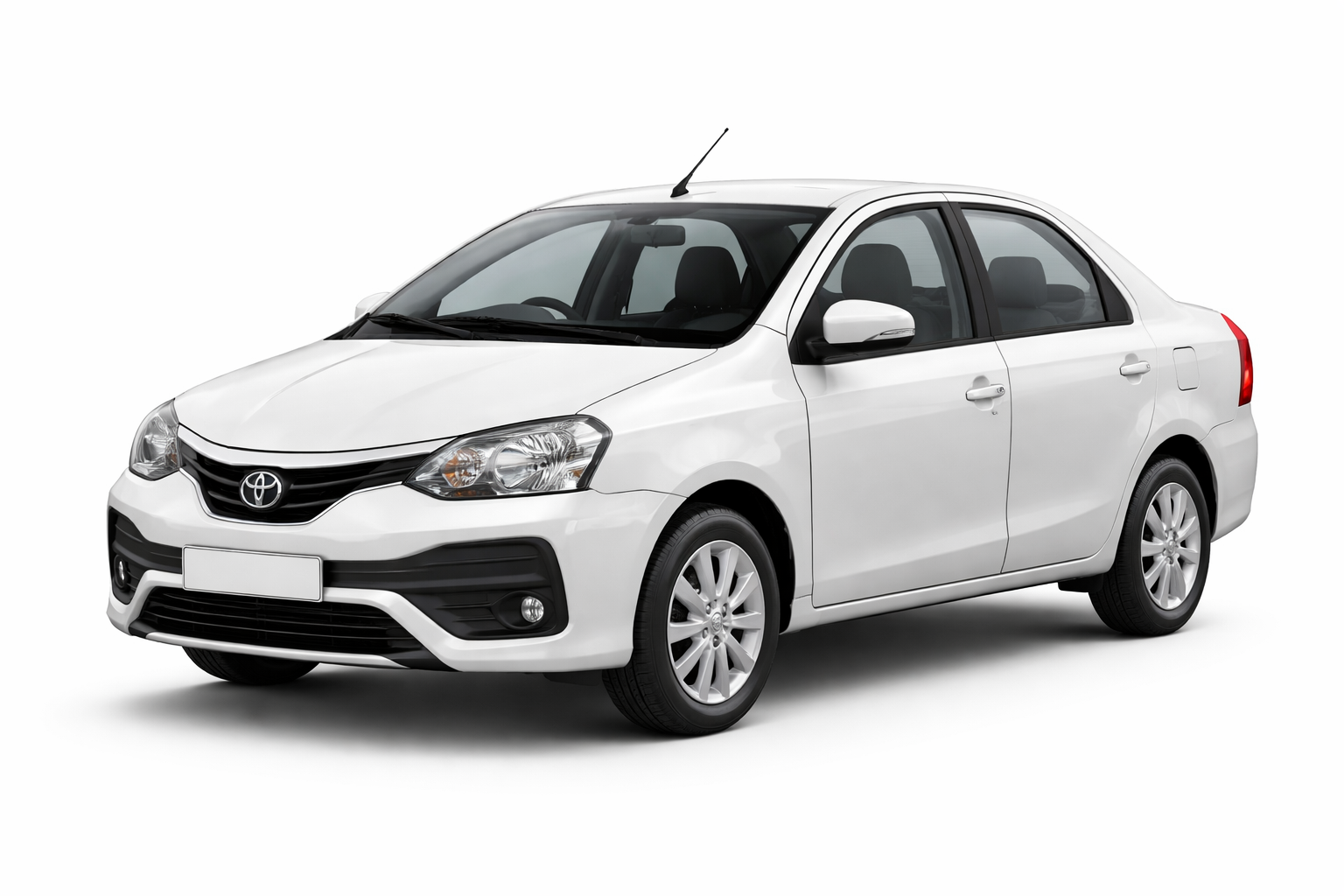
If your Corolla or Etios is showing any of these symptoms, do not wait for the next scheduled service. Change the oil and filter immediately.
What Happens If You Don’t Change the Oil Filter
Here is the cascade of failure that occurs when you ignore your oil filter:
Stage 1: Filter Saturation (15,000-25,000 km overdue)
The filter media becomes saturated with contaminants. Oil flow slows progressively. Oil pressure may begin to fluctuate, though many owners do not notice at this stage.
Stage 2: Bypass Valve Opens (25,000-40,000 km overdue)
When the clogged filter creates a pressure differential exceeding 8-15 psi, the bypass valve opens. This means 100% unfiltered, contaminated oil is now circulating through your engine. Metal particles and abrasive contaminants have unrestricted access to every bearing surface, camshaft lobe, and cylinder wall.
Stage 3: Accelerated Wear (ongoing)
Unfiltered oil acts like liquid sandpaper. Bearing clearances increase as surfaces are scored. Engine noise increases. Fuel consumption rises. Compression drops as cylinder walls are scratched.
Stage 4: Component Failure
Bearings fail first. Then cam lobes wear. Piston rings lose their seal. The engine begins consuming oil at an alarming rate. You are looking at either a complete engine rebuild or replacement.
The Real Cost of Skipping Oil Filter Changes
- Oil filter replacement: R120-R350
- Full oil service (oil + filter + labour): R800-R2,500
- Engine bearing replacement: R8,000-R15,000
- Partial engine rebuild: R20,000-R40,000
- Complete engine replacement: R40,000-R120,000+
- Used Hilux engine: R25,000-R65,000
- Used Fortuner engine: R30,000-R70,000
The maths could not be clearer. A R200 filter every 10,000 km costs roughly R60 per year of engine life. Skipping it can cost you the engine itself. In my research, Toyota engines that receive regular oil and filter changes routinely exceed 300,000-400,000 km. Neglected engines often develop serious problems between 100,000-150,000 km.
Oil Filter Costs for Popular Toyota Models
Here are current 2025 prices for genuine and aftermarket oil filters across the most popular Toyota models in South Africa:
| Model | Genuine Part No. | Genuine Price (ZAR) | Aftermarket (Wix/Ryco) | Budget Aftermarket |
|---|---|---|---|---|
| Hilux 2.4/2.8 GD-6 | 90915-YZZD4 | R250-R350 | R150-R250 | R80-R130 |
| Fortuner 2.4/2.8 GD-6 | 90915-YZZD4 | R250-R350 | R150-R250 | R80-R130 |
| Corolla 1.8/2.0 | 90915-YZZD1 | R120-R200 | R90-R160 | R50-R100 |
| Etios 1.5 | 90915-YZZD1 | R120-R200 | R90-R160 | R50-R100 |
| Quantum 2.5 D-4D | 90915-YZZJ3 | R200-R300 | R130-R220 | R70-R120 |
| Hilux 2.7 VVTi (Petrol) | 90915-YZZD4 | R250-R350 | R150-R250 | R80-R130 |
| Land Cruiser Prado | 90915-YZZD4 | R250-R350 | R150-R250 | R80-R130 |
Saving Money Without Cutting Corners
A quality aftermarket filter from Wix, Ryco, or Bosch costs 30-40% less than genuine Toyota and delivers comparable protection. Where I would never compromise is on the oil itself — always use the grade specified in your owner’s manual (typically 0W-20 or 5W-30 full synthetic for current models). The filter catches what the oil carries, so good oil means less work for the filter.
Even at the top end, a full oil service (R800-R2,500 at a workshop) costs less than 5% of what a single bearing failure would cost to repair. This is the most cost-effective maintenance you can do on any Toyota.
How to Check Your Oil Filter
You cannot visually inspect an installed oil filter, but there are reliable methods to assess whether the filter is still doing its job:
Method 1: Oil Condition Check (Monthly)
Pull the dipstick, wipe it clean, reinsert it, and pull it out again. Rub a drop between your thumb and forefinger.
- Good oil: Amber or light brown, smooth, translucent when spread thin
- Marginal oil: Dark brown, slightly thick, but still smooth
- Bad oil: Black, gritty texture, opaque, or thick and sludgy
If your oil is “bad” before your next scheduled service, change the oil and filter immediately.
Method 2: Track Your Mileage
Record the odometer reading at every oil change. When you approach 10,000-15,000 km since the last change, book a service. Do not wait for symptoms.
Method 3: Oil Pressure Gauge
If your Toyota has an oil pressure gauge (common on Hilux and Quantum models), monitor it regularly. Normal pressure at idle is 15-25 psi and 40-65 psi at highway speed. If pressure drops or fluctuates erratically, the filter may be restricting flow.
Method 4: Post-Removal Inspection
When you or your mechanic removes the old filter, cut it open with a hacksaw or filter cutter. Inspect the pleated media:
- Normal: Light brown discolouration, no debris visible
- Concerning: Dark black media with visible particles trapped in the pleats
- Dangerous: Media collapsing or tearing, metal shavings visible, sludge coating
Always Replace the Gasket
When installing a new spin-on oil filter, apply a thin film of fresh oil to the rubber gasket before threading it on. This ensures a proper seal and makes removal easier at the next service. Never reuse an old filter gasket — a failed seal will cause a catastrophic oil leak.
DIY Oil Filter Change
Changing an oil filter on most Toyotas is straightforward. The Corolla and Etios use easily accessible cartridge-type filters, while the Hilux and Fortuner use spin-on filters requiring a filter wrench and under-vehicle access. You will need: the correct replacement filter, a new drain plug crush washer, an oil filter wrench (64mm or 65mm for most Toyota models), a drain pan, correct grade engine oil, and jack stands. For a visual walkthrough, watch the ChrisFix complete oil change guide linked above.
The bottom line: your Toyota’s oil filter is a R200 component that stands between your engine and tens of thousands of rands in damage. Change it at every oil service, use a genuine or quality aftermarket filter, and never skip it. If you are sourcing engine parts for your Hilux, Fortuner, Corolla, or Etios, a fresh oil filter should be the first item in your basket.