



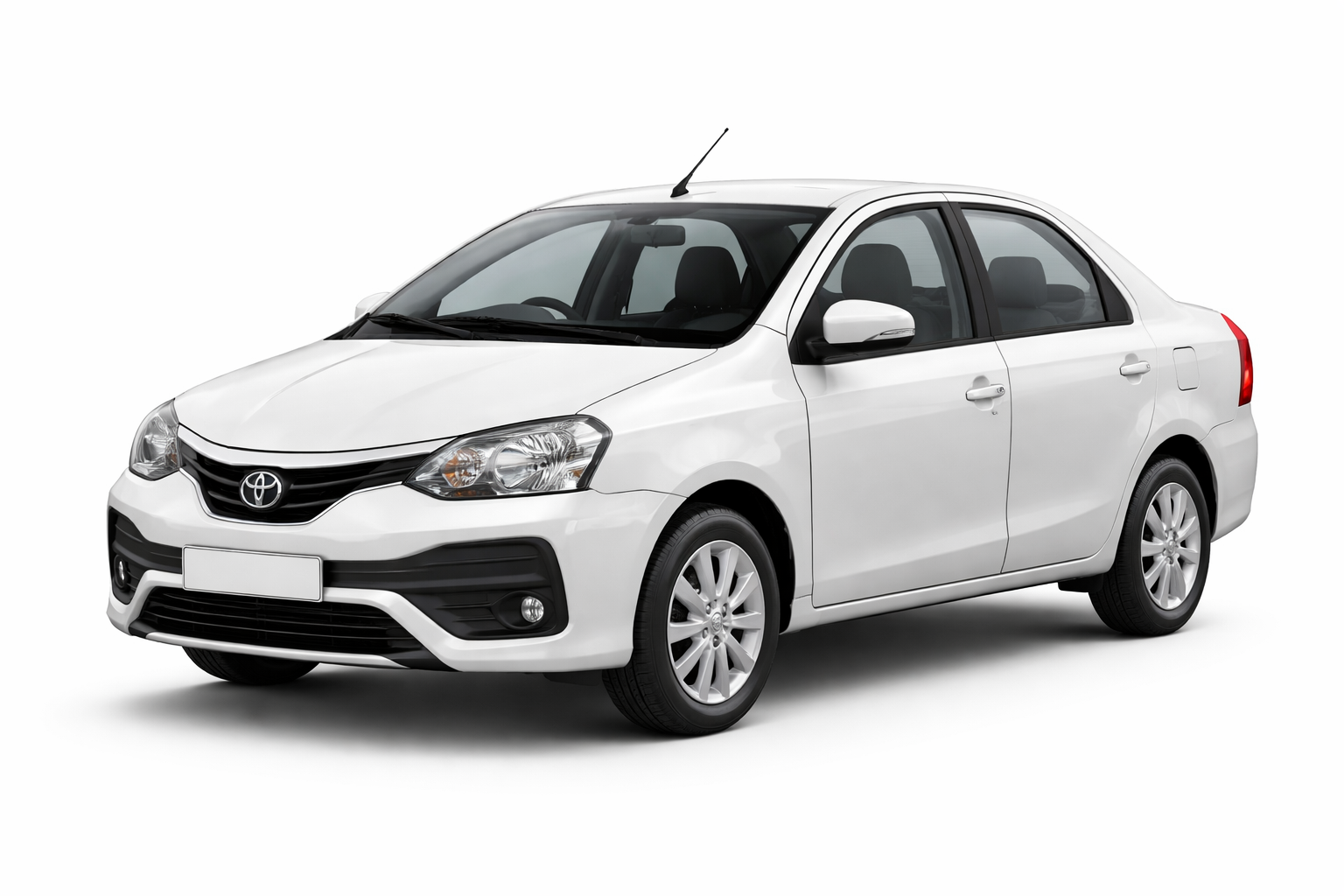


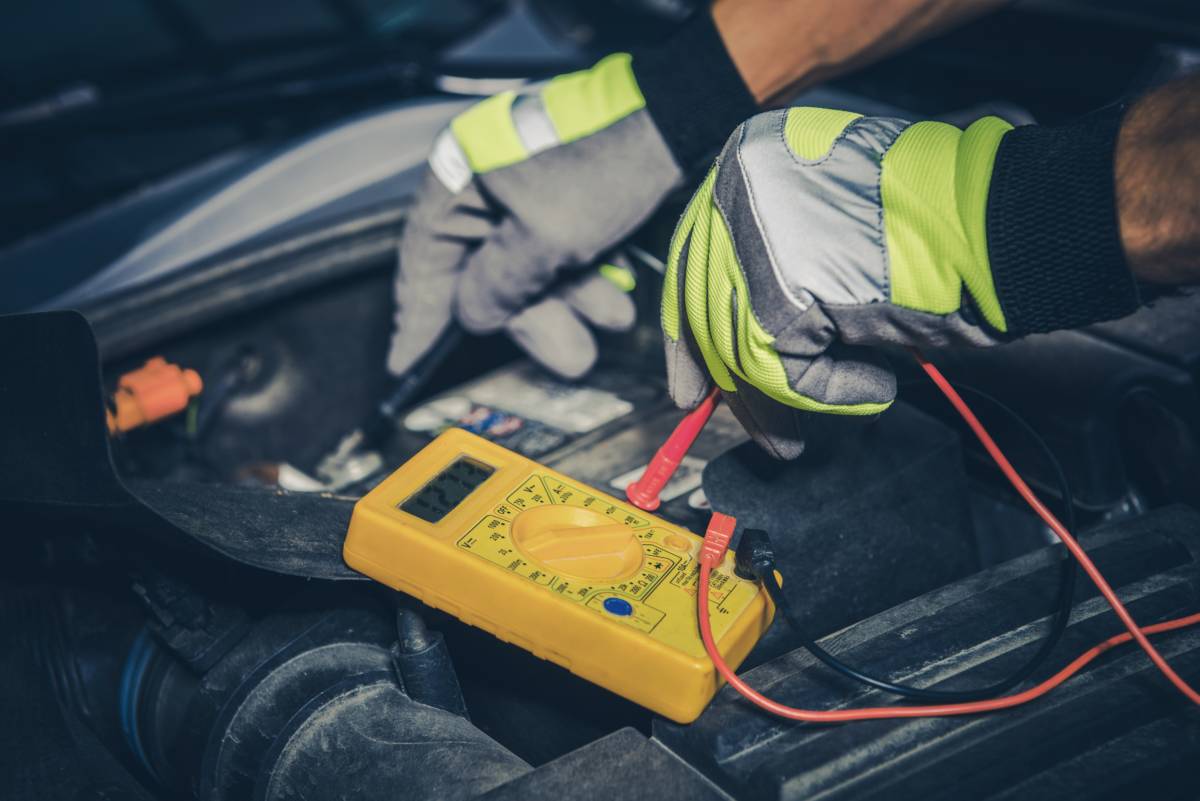

To charge your Toyota car battery at home, connect a 12V smart charger to the battery terminals — red clamp to positive (+), black clamp to negative (-) — set it to 4-8 amps, and let it charge for 6 to 12 hours. I recommend always using a smart charger with automatic shutoff, because overcharging a lead-acid battery generates hydrogen gas and can permanently damage the cells. A fully charged battery should read 12.6 volts or higher on a multimeter. If your battery consistently drops below 12.0V after charging, it is likely at end of life and needs replacement. For Toyota models like the Hilux, Fortuner, Corolla, and Etios, the standard 12V lead-acid battery is straightforward to charge at home with basic tools and about R400-R1,200 worth of equipment.
Key Takeaways
| Topic | Key Finding | Detail |
|---|---|---|
| Battery Voltage Chart | 12.6V = fully charged, 12.0V = flat | Measure with engine off after 30 minutes of rest |
| Charging With a Charger | 4-8 amps for 6-12 hours is ideal | Smart chargers prevent overcharging automatically |
| Jump-Starting | Connect positive first, ground last | Never connect the final negative clamp to the dead battery |
| Signs of a Dying Battery | Slow cranking is the first warning | Dim headlights and clicking starter confirm the issue |
| Replacement Costs | R1,200 - R3,500 depending on model | AGM batteries cost more but last longer in SA heat |
| Battery Lifespan | 3-5 years average, less in hot climates | Test annually after year 2 in South Africa |
| Hot Climate Tips | Heat kills batteries faster than cold | SA summers can cut battery life by 1-2 years |
Battery Voltage Chart
Before you charge anything, you need to know what you are working with. A simple multimeter (R150-R400 at any hardware store) tells you exactly how much charge your battery is holding. The critical rule: measure voltage with the engine off and the car resting for at least 30 minutes. This gives you the true open-circuit or “resting” voltage, free from alternator influence.
| Voltage (Resting) | State of Charge | Condition |
|---|---|---|
| 12.6V - 12.8V | 100% | Fully charged, healthy |
| 12.4V - 12.6V | 75% - 100% | Good condition |
| 12.2V - 12.4V | 50% - 75% | Partially discharged — recharge soon |
| 12.0V - 12.2V | 25% - 50% | Low — charge immediately |
| 11.8V - 12.0V | 0% - 25% | Nearly flat — risk of sulfation damage |
| Below 11.8V | 0% | Dead — may not recover |
Understanding AGM vs Flooded Batteries
Most Toyota vehicles come standard with flooded lead-acid batteries. AGM (Absorbent Glass Mat) batteries read slightly higher when fully charged (12.8V-13.0V) and are increasingly common on newer models with stop-start systems. If your Corolla or Starlet has stop-start technology, you almost certainly have an AGM battery, and you should use a charger with an AGM-specific mode.
I always recommend checking voltage before and after charging. If your battery reads 12.6V after charging but drops to 11.8V overnight, the battery has an internal fault and no amount of charging will fix it — it needs replacement.
How to Charge Your Battery With a Charger
This is the safest and most battery-friendly way to restore charge. I have walked dozens of Toyota owners through this process, and it is genuinely straightforward once you understand the sequence.
What You Need
- 12V smart battery charger (R400-R1,200 — NOCO, Ring, or Victron are solid brands)
- Multimeter (R150-R400)
- Safety glasses and rubber gloves
- Wire brush or terminal cleaner (R50-R100)
- Well-ventilated area — a garage with the door open is ideal
Step-by-Step Process
Step 1: Prepare the battery. Turn off the ignition and all electronics. Pop the bonnet and locate the battery. On most Toyota models — the Hilux, Fortuner, Corolla, and Etios — the battery sits in the engine bay on the driver’s side or passenger side, clearly visible.
Step 2: Clean the terminals. Use a wire brush to remove any white or greenish corrosion from both terminals. Dirty terminals create resistance that slows charging and can give false voltage readings. This two-minute step makes a real difference.
Step 3: Check the starting voltage. Set your multimeter to DC voltage (20V range) and touch the red probe to the positive terminal and the black probe to the negative terminal. Write down the reading so you can compare it after charging.
Safety Warning: Hydrogen Gas
Car batteries produce hydrogen gas during charging, which is highly flammable. Never charge a battery near open flames, sparks, or cigarettes. Always work in a well-ventilated space. If you smell rotten eggs (sulfur), stop charging immediately — this indicates the battery may be venting acid.
Step 4: Connect the charger. With the charger unplugged from the wall, attach the red clamp to the positive (+) terminal first, then attach the black clamp to the negative (-) terminal. Keep the charger as far from the battery as the cables allow.
Step 5: Set the charge rate. For a standard Toyota battery (45Ah-70Ah), set the charger to 4-8 amps. Lower amperage is gentler on the battery and extends its lifespan. Most smart chargers auto-detect the battery type and set the rate accordingly.
| Charge Rate | Time to Full Charge | Best For |
|---|---|---|
| 2 amps (trickle) | 12-24 hours | Long-term maintenance, stored vehicles |
| 4 amps | 8-12 hours | Overnight charging, standard recovery |
| 8 amps | 4-6 hours | Faster recovery, partially discharged batteries |
| 12+ amps | 2-4 hours | Emergency use only — reduces battery life |
Step 6: Plug in and charge. Plug the charger into the wall socket and turn it on. A smart charger will display charging status and switch to float/maintenance mode automatically when the battery reaches full charge.
Step 7: Disconnect safely. Once charged, unplug the charger from the wall first. Then remove the black (negative) clamp first, followed by the red (positive) clamp. Check the voltage with your multimeter — you should see 12.6V or higher.
Pro Tip: Leave It Overnight
I always charge batteries overnight at 4 amps. It is the gentlest method and gives the charger time to properly desulfate the plates during the absorption phase. Rushing with high amperage saves a few hours but costs you months of battery life.
How to Jump-Start a Dead Battery
Sometimes you do not have 6-12 hours to wait. Your Hilux will not start in the morning and you need to get to work. Jump-starting gets the engine running so the alternator can recharge the battery while you drive. But follow the correct sequence — getting this wrong can damage both vehicles’ electronics or cause a spark near the battery.
What You Need
- Jumper cables (minimum 4-gauge, R200-R500)
- A second vehicle with a charged battery (or a portable jump starter, R800-R2,500)
The Correct Jump-Start Sequence
-
Position the vehicles close enough for the cables to reach, but not touching each other. Both vehicles should be off with keys removed.
-
Red cable to dead battery (+): Clamp one end of the red (positive) cable to the positive terminal of the dead battery.
-
Red cable to donor battery (+): Clamp the other end of the red cable to the positive terminal on the donor (good) battery.
-
Black cable to donor battery (-): Clamp one end of the black (negative) cable to the negative terminal of the donor battery.
-
Black cable to engine ground — NOT the dead battery: This is the step most people get wrong. Clamp the other end of the black cable to an unpainted metal surface on the engine block of the dead car — a bolt, bracket, or the engine lifting hook. Never connect it directly to the dead battery’s negative terminal.
-
Start the donor vehicle and let it idle for 2-3 minutes.
-
Start the dead vehicle. If it does not start after 5 seconds of cranking, wait 2 minutes and try again.
-
Disconnect in reverse order: Engine ground first, then donor negative, then donor positive, then dead car positive.
Why Not Connect to the Dead Battery’s Negative Terminal?
The final connection can produce a small spark. If that spark occurs near the battery — which may be venting hydrogen gas — it could cause an explosion. Connecting to an engine ground point away from the battery eliminates this risk entirely.
After jump-starting, drive for at least 30 minutes at highway speeds to give the alternator time to put meaningful charge back into the battery. Short trips of 5-10 minutes will not recover a flat battery and you may find yourself stranded again the next morning.
Signs Your Battery Is Dying
I have seen too many Toyota owners get stranded because they ignored early warning signs. Your battery rarely dies without warning — it gives you signals for weeks or even months before it fails completely. Here is what to watch for:
The Warning Signs
- Slow engine cranking: The starter motor turns over sluggishly, especially on cold mornings. This is the single most reliable early indicator.
- Dim headlights at idle: If your lights visibly brighten when you rev the engine, the battery is struggling to hold charge.
- Clicking sound when turning the key: A rapid clicking means the battery has just enough power to engage the solenoid but not enough to turn the starter motor.
- Dashboard battery warning light: This typically indicates a charging system fault — could be the battery, alternator, or wiring.
- Electrical gremlins: Power windows moving slowly, infotainment system resetting, clock losing time, or central locking becoming unreliable.
- Swollen battery case: In South Africa’s heat, battery cases can physically bulge. This means the internal plates are damaged and the battery is unsafe to use.
- Corrosion buildup on terminals: Excessive white or blue-green powder on the terminals suggests the battery is outgassing more than normal.
Battery Failure Statistics
According to AAA, battery-related issues are the number one reason for roadside assistance calls. The average car battery lasts 3-5 years, but in hot climates like South Africa, lifespan drops to 2-4 years. Having your battery tested annually after the second year is the simplest way to avoid an unexpected breakdown.
If your Fortuner or Corolla shows two or more of these symptoms simultaneously, do not wait — get the battery tested. Most battery retailers will do a load test for free.
Battery Replacement Costs for Toyota Models
When charging and jump-starting can no longer save your battery, replacement is the only option. I have compiled current pricing for the most common Toyota models in South Africa. These figures include the battery itself and assume either self-installation or basic fitment at a parts shop.
| Toyota Model | Battery Spec | Battery Cost (ZAR) | With Fitment (ZAR) |
|---|---|---|---|
| Corolla (2002-2024) | 45Ah - 60Ah | R1,200 - R2,200 | R1,400 - R2,500 |
| Etios (2012-2022) | 45Ah - 50Ah | R1,100 - R1,800 | R1,300 - R2,100 |
| Starlet (2020+) | 45Ah | R1,200 - R1,900 | R1,400 - R2,200 |
| Hilux (2005-2024) | 60Ah - 75Ah | R1,600 - R3,000 | R1,800 - R3,300 |
| Fortuner (2005-2024) | 60Ah - 75Ah | R1,600 - R3,000 | R1,800 - R3,300 |
| Hilux/Fortuner (AGM upgrade) | 70Ah - 80Ah AGM | R2,800 - R3,500 | R3,000 - R3,800 |
Cost-Saving Tip: Buy Quality, Not Cheap
A R1,100 no-name battery might last 18 months in Gauteng’s summer heat. A R2,200 quality brand (Willard, Excide, Bosch) with a 2-year warranty will typically deliver 3-4 years of reliable service. Over time, the quality battery costs less per month and is far less likely to leave you stranded.
If your battery has failed and you need related engine parts like alternators, starter motors, or wiring harnesses, we carry a full range of tested used parts for all Toyota models. A failed alternator is often the hidden cause behind recurring battery problems — the battery itself may be fine, but it is simply not being charged while you drive.
How Long Do Toyota Batteries Last
The honest answer: 3 to 5 years under normal conditions, but South African driving conditions are not normal by global standards. Our combination of extreme summer heat, dusty roads, and frequent short trips puts significantly more stress on car batteries than the temperate European or North American climates where most battery lifespan data originates.
Factors That Shorten Battery Life
Heat exposure: According to Consumer Reports, vehicles in hot southern climates average 17 months less battery life than those in cooler northern regions. South Africa’s Highveld and Lowveld summers routinely exceed 35 degrees Celsius, accelerating electrolyte evaporation and internal corrosion.
Short trips: If your daily commute is under 15 minutes, the alternator never fully recharges the battery. Over weeks and months, the battery operates in a perpetual state of partial discharge, which causes sulfation — a buildup of lead sulfate crystals that reduces capacity permanently.
Electrical load: Modern Toyotas have significantly more electronic systems than older models. Dashcams, aftermarket sound systems, GPS trackers, and phone chargers all draw power. If your Hilux has a dual-battery setup for camping accessories, the primary battery can be drained if the isolator fails.
Vibration: Rough gravel roads and poor road surfaces physically damage the internal plates. This is particularly relevant for Hilux and Fortuner owners who regularly drive on dirt roads.
Battery Type and Expected Lifespan
| Battery Type | Expected Lifespan | Best For |
|---|---|---|
| Flooded lead-acid | 2-4 years (SA climate) | Budget replacement, standard use |
| AGM (Absorbent Glass Mat) | 4-6 years (SA climate) | Stop-start vehicles, high-accessory use, hot climates |
| EFB (Enhanced Flooded) | 3-5 years (SA climate) | Mid-range option, better heat tolerance than standard |
When to Test Your Battery
In South Africa, I recommend having a battery load test done annually after year 2. Most battery shops and auto electricians offer free testing. A load test reveals weak cells that a simple voltage check will miss. Do not wait for the slow-crank morning — test proactively before each summer.
Battery Maintenance Tips for Hot Climates
South Africa’s climate is one of the toughest environments for car batteries on the planet. The Highveld summer, Durban’s coastal humidity, and the Lowveld’s extreme heat all take a toll. Here is what I have found works best for keeping your Toyota battery alive as long as possible.
1. Park in Shade Whenever Possible
This is the single most effective thing you can do. Under-bonnet temperatures in a car parked in direct Gauteng sun can exceed 60 degrees Celsius. That heat bakes the battery, evaporating electrolyte fluid and accelerating plate corrosion. A carport, tree, or even a windscreen sunshade makes a measurable difference.
2. Keep Terminals Clean and Protected
Corrosion on battery terminals creates electrical resistance, which forces the alternator to work harder and generates more heat. Clean terminals every 3-6 months with a wire brush and apply a thin layer of petroleum jelly or terminal protector spray. This takes five minutes and prevents the slow degradation that kills batteries prematurely.
3. Drive for at Least 20 Minutes Regularly
If your Etios or Starlet is only used for short school runs and grocery trips, the battery never fully recharges. Make a point of taking a longer drive at least once a week — 20 to 30 minutes at highway speed — to let the alternator bring the battery back to full charge. This also helps the engine reach proper operating temperature, which benefits every other system in the car.
4. Disconnect or Use a Maintainer for Stored Vehicles
If a vehicle sits unused for more than two weeks — a common situation with holiday vehicles or bakkies kept at a farm — the battery will self-discharge. In hot conditions, this happens even faster. Either disconnect the negative terminal or connect a trickle charger/battery maintainer (R300-R800) to keep the battery topped up.
5. Check Electrolyte Levels (Flooded Batteries Only)
If your battery has removable caps, check the electrolyte level every 3-6 months during summer. The fluid should cover the plates by about 10mm. Top up with distilled water only — never tap water, which contains minerals that damage the plates. AGM and sealed batteries do not require this step.
Why Heat Is Worse Than Cold for Batteries
Most people assume cold weather is the biggest battery killer, but the data tells a different story. Heat accelerates the chemical reactions inside the battery, causing faster self-discharge, electrolyte evaporation, and plate corrosion. Cold weather merely reveals the damage already done by summer heat — the battery was weakened months ago, and the first cold morning is when it finally fails to start your car. This is why South African batteries consistently have shorter lifespans than the global average.
6. Test Your Charging System
A perfectly good battery will die repeatedly if the alternator is not charging it properly. Have your alternator output tested — it should produce between 13.5V and 14.5V at idle with electrical loads on. If it is undercharging (below 13.5V), the battery slowly drains. If it is overcharging (above 15.0V), it boils the electrolyte and destroys the battery from within. We stock tested used alternators for all major Toyota models if yours needs replacement.
7. Choose the Right Battery for Your Climate
For Toyota owners in Gauteng, Limpopo, Mpumalanga, and KZN, I strongly recommend upgrading to an AGM battery when your current one dies. The additional R800-R1,500 over a standard flooded battery pays for itself in extended lifespan and better heat resistance. AGM batteries are sealed, maintenance-free, and significantly more resistant to the vibration that Hilux and Fortuner owners encounter on gravel roads.
A car battery is one of the cheapest major components on your Toyota, but it is also one of the most critical. A R2,000 battery and a R400 smart charger can save you from R500+ tow truck fees and the frustration of being stranded. Keep your battery charged, keep the terminals clean, and replace it before it leaves you on the side of the N1 in January. If you need any electrical parts — alternators, starter motors, wiring harnesses, or switches — we carry tested used components for every Toyota model from the Corolla to the Hilux.